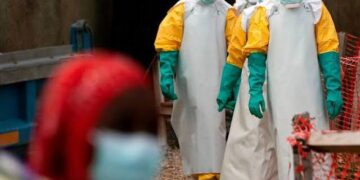
The World Health Organisation (WHO) has observed a “downward trend” in weekly mpox cases in the Democratic Republic of Congo (DRC) over the past six weeks. However, the WHO warns that the region continues to grapple with significant challenges, including limited diagnostic capacity and delays in case reporting.
As of 10 November, 18 African nations have collectively reported 11,321 confirmed mpox cases, with 53 fatalities. The DRC, alongside Uganda and Burundi, accounts for 96 per cent of these confirmed cases, underscoring its status as the epicentre of the outbreak. Despite the declining numbers in the DRC, the WHO has cautioned that incomplete data may obscure the true scale of the epidemic.
A Mixed Picture Across the Continent
Active transmission persists in 13 of the 18 affected countries, according to the WHO. Five nations, however, have successfully curtailed the spread, reporting no new laboratory-confirmed cases in the past six weeks.
While smaller outbreaks in Côte d’Ivoire and the Central African Republic remain contained, the picture is more alarming in Uganda and Burundi, where community transmission is reportedly escalating. The WHO highlighted the risk of further proliferation, pointing to inadequate containment measures and high population density in affected areas.
Challenges in the DRC
The DRC continues to face severe obstacles in managing the outbreak. Of its eight operational laboratories equipped for diagnostics, most are hampered by staffing shortages. The country has so far recorded 8,662 confirmed cases, the highest across the continent.
DRC Health Minister Roger Kamba has announced the commencement of a new vaccination campaign, aiming to inoculate 2.5 million individuals. To date, approximately 51,000 people have received the vaccine, with the country having 200,000 doses in stock and an additional 100,000 doses delivered this week.
A Broader Public Health Emergency
The WHO declared mpox a public health emergency of international concern for the second time in August, following a significant surge in cases. The Africa Centres for Disease Control and Prevention reported a staggering 160 per cent rise in mpox cases in 2024 compared to the same period in 2023.
The surge has drawn attention to the need for a decentralised response strategy. The WHO has called for targeted interventions in transmission hotspots and greater engagement from community leaders to curb the outbreak.
As the continent continues its battle against mpox, the WHO has underscored the importance of improved surveillance, expanded testing, and accelerated vaccination to contain the epidemic. The DRC’s downward trend in weekly cases offers a glimmer of hope, but the journey to comprehensive control remains fraught with challenges.
The Southern African Times will continue to monitor developments across the region.