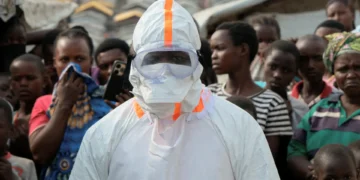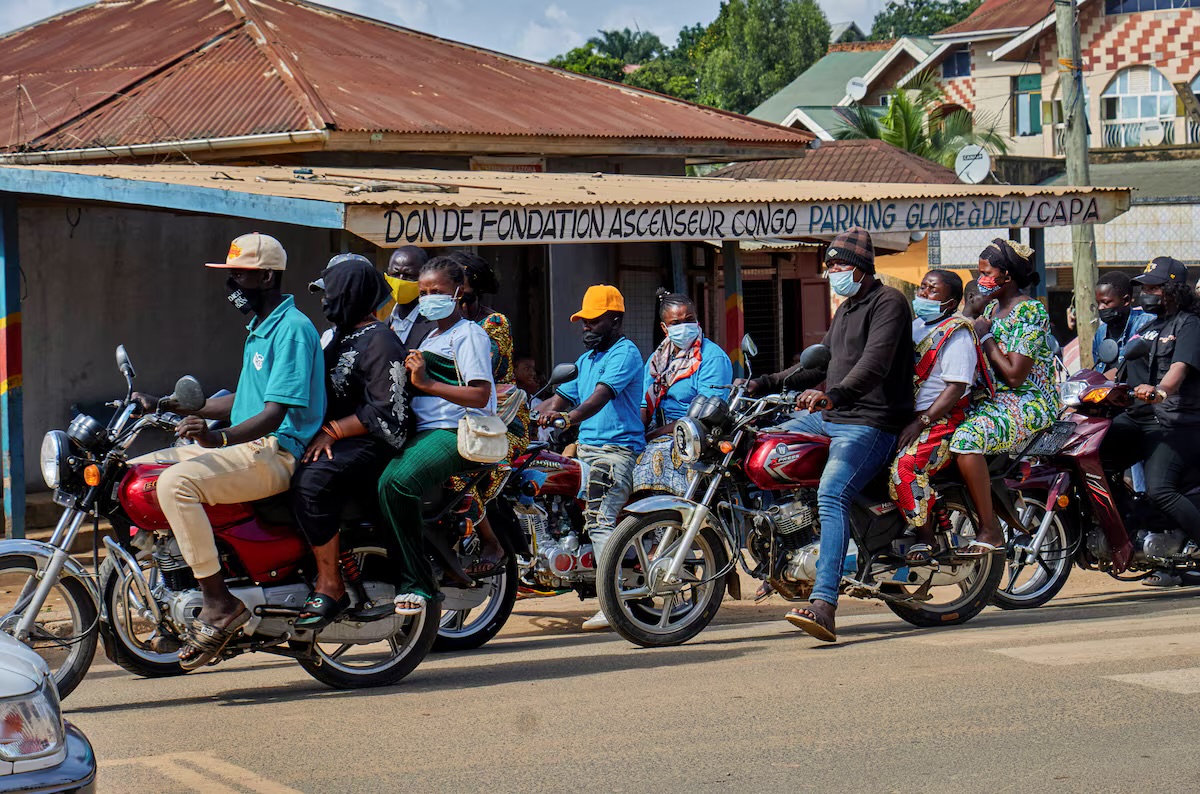
Britain has pledged up to £20 million in new aid funding to support efforts to contain a growing Ebola outbreak in eastern Democratic Republic of the Congo, as health authorities warn the situation is likely to worsen in the coming weeks.
The funding, announced by the UK Foreign Office, will be channelled through the World Health Organization, United Nations agencies and non governmental organisations working on the ground. The aim is to strengthen surveillance, improve infection prevention and control, and provide additional protection for frontline health workers responding to the crisis.
As of Wednesday, Congo had recorded around 600 suspected cases and 139 suspected deaths linked to the outbreak. Laboratory testing has confirmed 51 cases within the country, while two confirmed cases have also been reported in neighbouring Uganda, raising concerns about cross border transmission in a region characterised by high mobility.



Health officials say the outbreak is expected to expand, particularly given the challenges of containing infectious diseases in areas with limited healthcare infrastructure and ongoing population movement. The situation is further complicated by the emergence of a strain that may differ from those seen in previous outbreaks, potentially affecting the effectiveness of existing vaccines and treatments.
The United Kingdom’s intervention reflects growing international concern over the pace of the outbreak and the risk of wider regional spread. By directing funds toward early detection and rapid response, authorities hope to limit transmission chains before they become more difficult to manage.

Alongside financial support, the UK Health Security Agency has stepped up domestic preparedness measures. It is currently assessing travel routes into Britain from affected regions and has activated monitoring systems for individuals travelling between the United Kingdom and outbreak zones for work purposes. These measures are intended to reduce the risk of imported cases while maintaining essential travel links.
Ebola outbreaks in central Africa have historically posed significant public health challenges, often requiring coordinated international responses to contain them. The current situation underscores the continued vulnerability of health systems in parts of the region, as well as the importance of sustained investment in epidemic preparedness.
For Congo, where previous outbreaks have tested both local and international response mechanisms, the latest surge presents another critical moment. The speed and effectiveness of the response in the coming weeks will be decisive in determining whether the outbreak can be contained or escalates into a broader regional emergency.