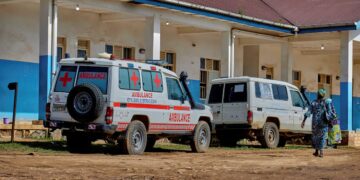
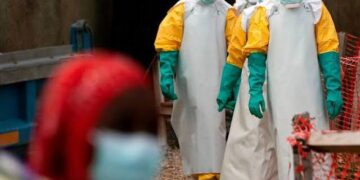
Asuspected outbreak of hantavirus aboard an expedition cruise vessel has resulted in three fatalities and several cases of serious illness, prompting an ongoing international public health response involving African and European authorities.
The Netherlands based operator Oceanwide Expeditions confirmed that it is managing a serious medical situation on board the MV Hondius, a polar expedition ship that was sailing off the coast of Cape Verde in the Atlantic Ocean. The vessel had departed Argentina approximately three weeks prior and had undertaken a route that included Antarctic waters before moving northwards.
According to statements attributed to the World Health Organization, at least six individuals were affected, with laboratory confirmation of hantavirus in one case. Two of the deceased were reported to be Dutch nationals. A third fatality has also been recorded, though details regarding nationality have not been formally confirmed. One patient remains in intensive care in South Africa, reflecting the role of regional healthcare systems in responding to transnational maritime health incidents.



Hantavirus is a zoonotic disease primarily transmitted through exposure to airborne particles contaminated by rodent excreta. While human to human transmission is considered rare, the virus can lead to severe respiratory complications and has a reported mortality rate of approximately 40 percent in certain clinical forms. Further clinical information is available through the United States Centers for Disease Control and Prevention.
The situation has drawn attention to the logistical and regulatory challenges faced by maritime operators navigating multiple jurisdictions. Authorities in Cape Verde did not immediately authorise the disembarkation of passengers requiring urgent medical care, while coordination efforts have been initiated to facilitate medical evacuation and repatriation. The United Kingdom Foreign Office and South African health authorities are understood to be engaged in ongoing consultations, although public statements remain limited.
From a southern African perspective, the case underscores the interconnected nature of global mobility and regional health systems. South Africa’s involvement in providing critical care to at least one affected passenger highlights the country’s role as a key medical hub within the region. It also raises broader considerations regarding preparedness for infectious disease events that may originate beyond the continent but require local response capacity.

Public health experts note that hantavirus infections are uncommon, and outbreaks of this nature remain rare, particularly in maritime environments. Nevertheless, the incident illustrates the importance of surveillance, rapid diagnostic capacity and coordinated international response mechanisms. The WHO Regional Office for Africa continues to support member states in strengthening these systems, particularly in the context of emerging and re emerging infectious diseases.
Oceanwide Expeditions has indicated that it is working with relevant authorities to manage the situation, including the care of affected individuals and the welfare of remaining passengers and crew. Investigations into the source of the outbreak are ongoing.
As the situation develops, the incident presents a reminder of the need for equitable global health collaboration that recognises the contributions and capacities of African institutions, not solely as points of response but as active participants in shaping international health governance.