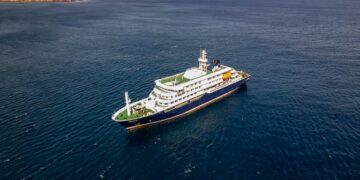
South African health authorities are monitoring 97 individuals identified as contacts of confirmed hantavirus cases linked to passengers who travelled aboard the expedition cruise vessel MV Hondius, as public health teams continue cross border tracing efforts in collaboration with international agencies.
Health Minister Aaron Motsoaledi confirmed that 90 of the identified contacts have already been reached by health officials and placed under observation for a six week monitoring period. According to the minister, 86 of those contacts are located in Gauteng province, while four are in the Western Cape.
One individual in the Western Cape reportedly developed symptoms consistent with viral illness. However, tests conducted up to Friday returned negative results for hantavirus infection.



South African authorities are working alongside the World Health Organization and the National Institute for Communicable Diseases to trace exposed passengers, airline contacts and healthcare workers who may have interacted with infected individuals during or after the voyage.
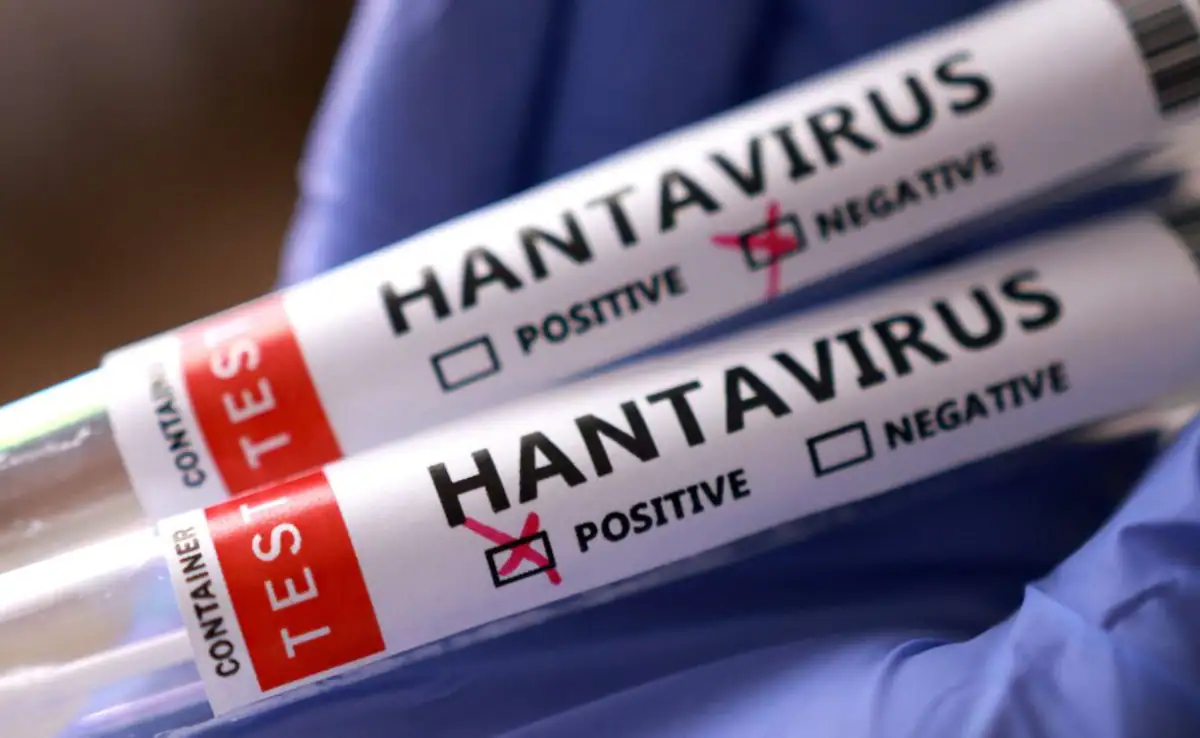
The cases are linked to the Andes strain of hantavirus, which health experts identify as the only known hantavirus variant capable of human to human transmission. The strain is more commonly associated with parts of South America and is not endemic to South Africa.
The outbreak investigation follows the confirmation of two Andes hantavirus infections in South Africa involving passengers who had travelled on the MV Hondius. One case involves a British national currently receiving treatment in intensive care in Johannesburg. Another involved a Dutch woman who collapsed at OR Tambo International Airport after arriving in South Africa. She later died.
Officials stated that the woman’s husband, regarded by investigators as the index case linked to the voyage, died aboard the vessel during the journey. His body was reportedly removed at St Helena.

The MV Hondius departed from Ushuaia in Argentina on 1 April and travelled across the South Atlantic with several scheduled stops before the cases were identified.
According to information released by the WHO, 11 hantavirus related cases connected to the outbreak have been reported globally so far, including three deaths. Nine of the reported infections have been confirmed as Andes strain cases, while two remain classified as probable infections pending further laboratory analysis.
Public health experts have emphasised that hantavirus infections remain relatively rare and that transmission risks depend largely on close exposure. Authorities in South Africa have stated that surveillance and contact tracing measures are precautionary and form part of established international disease control protocols.
The incident has also highlighted the growing importance of coordinated continental and international health surveillance systems as African states continue strengthening preparedness for cross border infectious disease events linked to increased global mobility, tourism and maritime travel.
Health authorities have urged the public to rely on verified medical information and to avoid speculation while investigations continue.