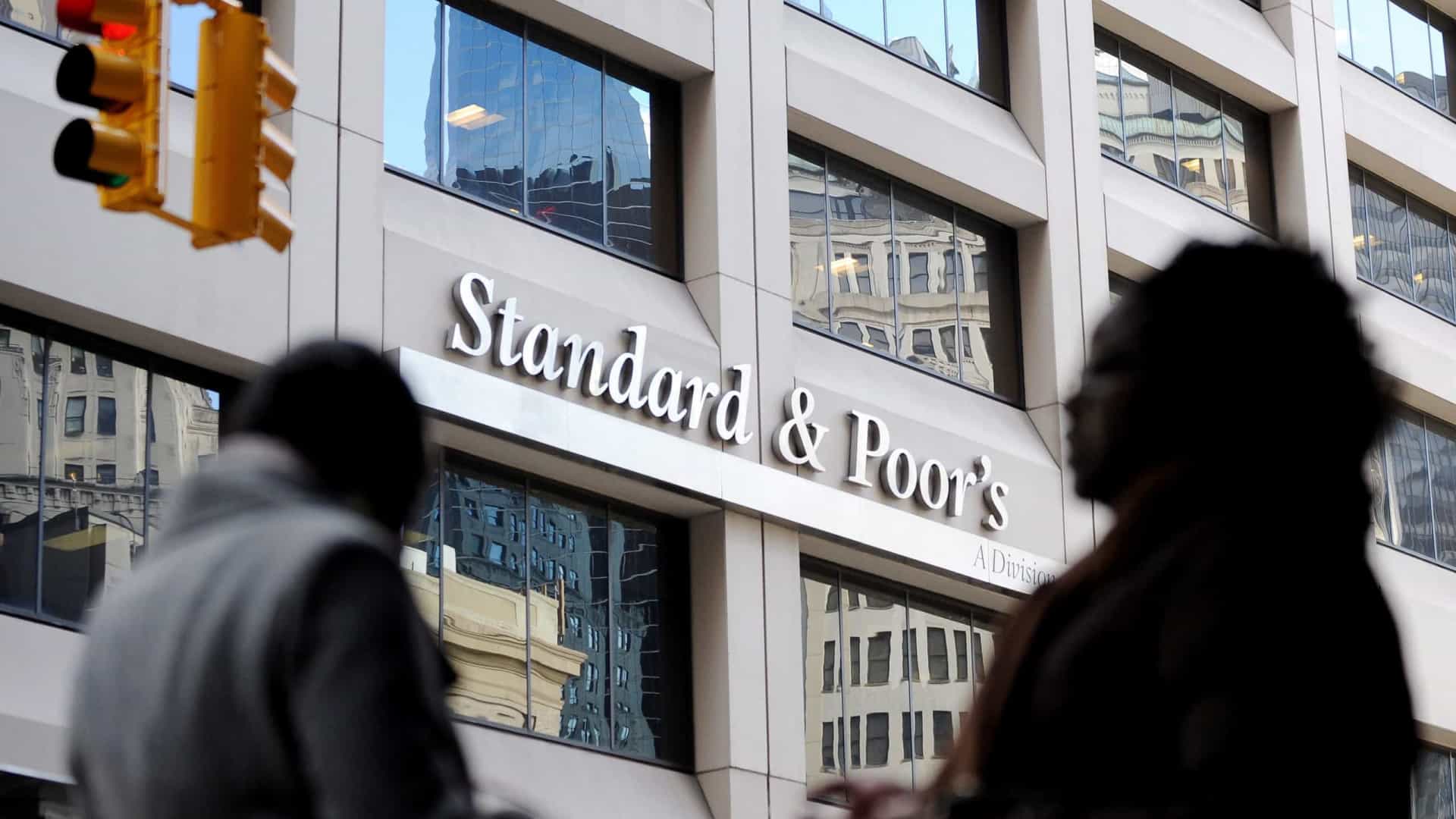
South Africa has welcomed Standard & Poor’s (S&P) Global’s revision of its economic outlook from “stable” to “positive,” citing increased political stability and prospects for reform-driven growth.
In a statement issued late on Friday, S&P highlighted that political developments following the May general elections have provided a stable platform for reforms aimed at stimulating private investment and improving GDP growth. The agency stated: “The positive outlook reflects our view that increased political stability following the May general elections and impetus for reform could boost private investment and GDP growth.”
Despite this optimistic shift, South Africa’s sovereign credit ratings remain below investment grade, with S&P maintaining the nation’s long-term foreign and local currency debt ratings at “BB-” and “BB,” respectively.
The revision comes amid the stabilisation of South Africa’s political landscape following the formation of a Government of National Unity (GNU). For the first time since the dawn of democracy in 1994, the African National Congress (ANC) failed to secure a parliamentary majority in the May elections, resulting in a coalition government comprising the ANC and nine other political parties, including the Democratic Alliance (DA).
S&P noted that the GNU’s collaborative governance approach has contributed to an improvement in debt yields and portfolio inflows, strengthening the currency and easing financing conditions.
The ratings agency also forecasted an increase in South Africa’s GDP growth, predicting it will rise from 1.0 per cent in 2024 to 1.4 per cent between 2025 and 2027, aided by a reduction in electricity load-shedding. However, it cautioned that persistent logistics bottlenecks will continue to limit economic activity.
In response, the National Treasury welcomed S&P’s decision, stating: “The government notes and welcomes S&P’s decision to revise SA’s outlook.” The Treasury reiterated its commitment to fiscal sustainability, economic growth, and addressing critical social and economic risks.
This revision signals cautious optimism for the country’s economic trajectory, with tangible reforms and political stability emerging as pivotal to sustained growth and improved investor confidence.