Wednesday, May 27, 2026
  • Login
The Southern African Times
  • Home
  • Southern Africa
  • Business
    • African Start ups
    • African Continental Free Trade Area
  • Technology
    • Lifestyle
      • Health
      • Culture
      • Food and Drink
      • Entertainment
  • Opinion
  • Sports
  • SAT Jobs
    • Events
  • About Us
    • Advertise with Us
    • Contact Us
No Result
View All Result
  • Home
  • Southern Africa
  • Business
    • African Start ups
    • African Continental Free Trade Area
  • Technology
    • Lifestyle
      • Health
      • Culture
      • Food and Drink
      • Entertainment
  • Opinion
  • Sports
  • SAT Jobs
    • Events
  • About Us
    • Advertise with Us
    • Contact Us
No Result
View All Result
The Southern African Times
No Result
View All Result
Home West Africa Senegal

Senegal shake up complicates IMF talks and rattles markets

by SAT Reporter
May 27, 2026
in Senegal
0
Senegal shake up complicates IMF talks and rattles markets

Senegal’s abrupt political reshuffle has injected fresh momentum, and fresh uncertainty, into negotiations with the International Monetary Fund, as the country grapples with one of West Africa’s most pressing debt crises.

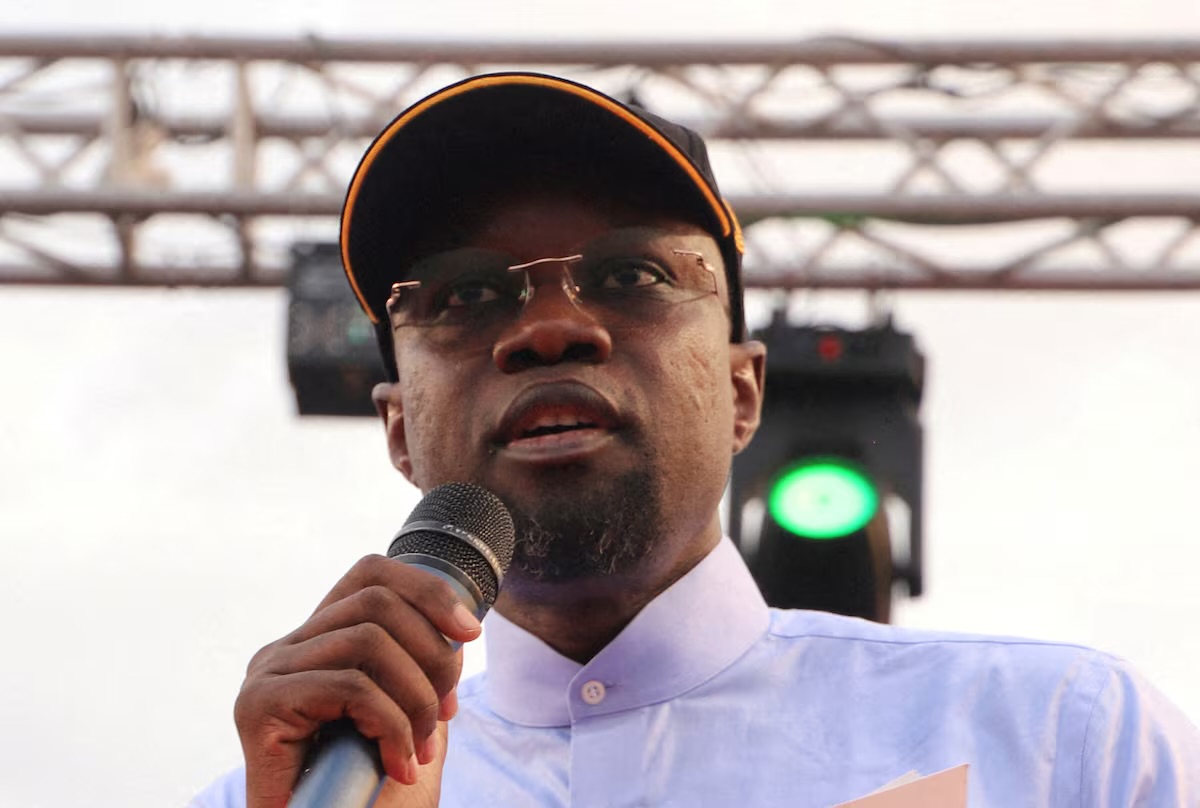
President Bassirou Diomaye Faye’s decision to dismiss Prime Minister Ousmane Sonko has been interpreted by some investors as an attempt to remove a key obstacle to a deal with the IMF. Sonko had been a vocal critic of the Fund and its policy prescriptions, particularly around debt restructuring and subsidy reforms.

Yet the political fallout has proven anything but straightforward. Within days of his dismissal, Sonko re emerged at the centre of power after being elected speaker of parliament, underscoring his continued influence and the fragile balance within the ruling establishment.


ADVERTISEMENT

Faye has moved quickly to appoint a replacement, naming Ahmadou Al Aminou Lo, a seasoned economist and former regional central bank official, as the new prime minister. His technocratic background is seen as potentially more aligned with the IMF’s approach, but his ability to navigate domestic political tensions remains uncertain.

Financial markets reacted swiftly to the upheaval. Senegal’s foreign currency bonds fell sharply, with some issues dropping to record lows. Investors are increasingly pricing in the possibility of a debt restructuring, reflecting concerns about the government’s capacity to stabilise its finances and restore credibility.

The roots of the crisis run deep. The IMF suspended a 1.8 billion dollar programme in 2024 after previously undisclosed liabilities pushed Senegal’s debt burden above 130% of gross domestic product. Since then, the country has struggled to regain access to international capital markets while facing mounting fiscal pressures.

At the centre of the impasse is the question of how to manage debt and subsidies. Fuel subsidies, in particular, have become a flashpoint. Initially budgeted at 250 billion CFA francs for this year, the cost could surge to nearly 1.4 trillion CFA francs if global oil prices remain elevated, according to former finance minister Cheikh Diba.

Sonko had resisted proposals to raise fuel prices, citing the impact on ordinary citizens, and his stance continues to resonate politically. In his new role as speaker, he has signalled that his support for the government will depend on how it approaches debt restructuring and the protection of purchasing power.

That tension highlights the broader dilemma facing Senegal’s leadership. While an agreement with the IMF is widely seen as essential to restoring investor confidence and unlocking financing, the reforms required to secure such a deal carry significant political risks.

President Faye has taken a more direct role in the negotiations, signalling the importance of reaching a resolution. Talks are expected to resume in early June, with officials hopeful that a framework agreement could be reached by the end of the month. However, previous timelines have slipped, and expectations are now more cautious.

For investors, the situation presents a complex mix of opportunity and risk. A credible deal with the IMF could stabilise the economy and improve bond valuations, but the path to that outcome is uncertain and fraught with political constraints.

For Senegal, the stakes are even higher. The country must balance the demands of fiscal discipline with the realities of social pressure, all while navigating a shifting political landscape. The coming weeks will be critical in determining whether the latest shake up clears the way for progress or deepens the uncertainty.


Previous Post

AI Needs Oversight, Not Faith: Lessons from South Africa’s Policy Reversal

Next Post

Ramaphosa challenges report in farm cash scandal

SAT Reporter

Related Posts

Senegal president sacks Prime Minister Sonko, dissolves government
Senegal

Senegal president sacks Prime Minister Sonko, dissolves government

by SAT Reporter
May 24, 2026
Senegal Backs Mali as Rising Attacks Intensify Sahel Security Concerns
Mali

Senegal Backs Mali as Rising Attacks Intensify Sahel Security Concerns

by SAT Reporter
May 4, 2026
Explainer: Sonko–Faye Power Struggle Over IMF Deal Rattles Senegal’s Markets
Senegal

Explainer: Sonko–Faye Power Struggle Over IMF Deal Rattles Senegal’s Markets

by SAT Reporter
May 4, 2026
Senegal government moves to renegotiate BP gas contract
Senegal

Senegal government moves to renegotiate BP gas contract

by SAT Reporter
March 13, 2026
Senegal Advances Energy and Investment Dialogue in London
Senegal

Senegal Advances Energy and Investment Dialogue in London

by SAT Reporter
February 16, 2026
Next Post
Ramaphosa challenges report in farm cash scandal

Ramaphosa challenges report in farm cash scandal

Browse by Category

  • Africa AI
  • African Continental Free Trade Area
  • African Debt
  • African Start ups
  • Agriculture
  • AI Africa
  • Algeria
  • All News
  • Analysis
  • Angola
  • Arts / Culture
  • Asia
  • Botswana
  • BOTSWANA
  • BREAKING NEWS
  • BRICS
  • Burkina Faso
  • Burundi
  • Business
  • Business
  • Business Wire
  • Cameroon
  • Central Africa
  • Chad
  • China
  • Climate Change
  • Climate Changev
  • Community
  • Congo Republic
  • Conservation
  • Côte d’Ivoire
  • COVID 19
  • CRYPTOCURRENCY
  • Culture
  • Democratic Republic of Congo
  • Diplomacy
  • Eastern Africa
  • Economic Development
  • Economy
  • Education
  • Egypt
  • Elections 2024
  • Energy
  • Entertainment
  • Environment
  • Eritrea
  • Ethiopia
  • Europe
  • Fashion
  • Feature
  • Finance
  • Financial Inclusion
  • Food
  • Food and Drink
  • Foods
  • GABON
  • Ghana
  • Global
  • Global Africa
  • Guinea
  • Health
  • Humanitarian Aid
  • Immigration
  • in Southern Africa
  • International news
  • International Relations
  • Investment
  • Ivory Coast
  • Just In
  • Kenya
  • Lesotho
  • Libya
  • Life Style
  • Lifestyle
  • Literature
  • Malawi
  • Malawi
  • Mali
  • Markets
  • Mauritius
  • Middle East
  • Mining in Africa
  • Morocco
  • Mozambique
  • Namibia
  • Niger
  • niger
  • Nigeria
  • North Africa
  • North-Eastern Africa
  • Obituaries
  • Obituary
  • Opinion
  • PARTNER CONTENT
  • Politics
  • Property
  • Racism
  • Rwanda
  • Rwanda
  • SADC
  • SAT Interviews
  • SAT Investigation
  • SAT Jobs
  • Saudi Arabia
  • Senegal
  • Seychelles
  • Somaliland
  • South Africa
  • South Sudan
  • Sports
  • Startup Africa
  • STOCK EXCHANGE
  • Sudan
  • Sustainability
  • Sustainablity
  • Tanzania
  • Technology
  • Telecommunications
  • The Editorial Board
  • The Power Of She
  • Togo
  • Trade
  • Travel
  • Travel
  • Tunisia
  • Uganda
  • Uncategorized
  • Wealth
  • West Africa
  • World
  • World
  • ZAMBIA
  • Zambia
  • ZIMBABWE
  • Zimbabwe

Browse by Tags

#NewsUpdate #SouthAfrica #SouthernAfricanTimes #TheSouthernAfricanTimes AfCFTA africa African Continental Free Trade Area African development African Development Bank African economies African economy African Union Agriculture Angola Botswana China Climate change Cyril Ramaphosa Economic Development economic growth energy transition governance IMF industrialisation Inflation Infrastructure Infrastructure Development International relations Investment Kenya Mozambique Namibia news Nigeria Regional Integration renewable energy Rwanda SADC South Africa Southern Africa sustainable development Tanzania United States Zambia Zimbabwe
ADVERTISEMENT

WHO WE ARE

The Southern African Times is a regional bloc digital newspaper that covers Southern African and world news. The paper also gives a nuanced analysis on news and covers a wide range of reporting which include sports, entertainment, foreign affairs, arts and culture.

Welcome Back!

Login to your account below

Forgotten Password?

Retrieve your password

Please enter your username or email address to reset your password.

Log In
  • Home
  • Southern Africa
  • Business
    • African Start ups
    • African Continental Free Trade Area
  • Technology
    • Lifestyle
      • Health
      • Culture
      • Food and Drink
      • Entertainment
  • Opinion
  • Sports
  • SAT Jobs
    • Events
  • About Us
    • Advertise with Us
    • Contact Us
Not enough quota to unlock this post
Unlock left : 0
Are you sure want to cancel subscription?