The government of Senegal has initiated a broad review of several strategic natural resource and infrastructure contracts, signalling a possible recalibration of the country’s economic governance as it navigates mounting fiscal pressures and the early years of its emergence as a hydrocarbon producing nation.
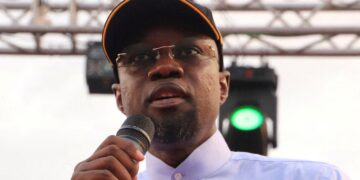
Prime Minister Ousmane Sonko announced that the government considers aspects of the gas development agreement linked to the Greater Tortue Ahmeyim project to be unfavourable to Senegal and intends to engage partners in discussions regarding its terms. The project is operated by BP and is one of the most significant offshore gas developments in West Africa, located on the maritime border between Senegal and Mauritania. According to government statements delivered in Dakar, the review forms part of a wider effort to reassess contracts across the energy, mining, fisheries and infrastructure sectors in order to strengthen public finances and ensure that agreements align with national development priorities.
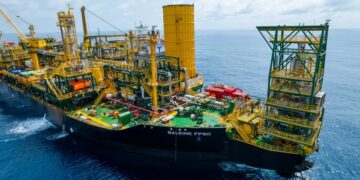
The Greater Tortue Ahmeyim development is widely regarded as a cornerstone of Senegal’s emerging gas sector. The offshore field is jointly developed by BP, Kosmos Energy, Senegal’s national oil company Petrosen and Mauritania’s Société Mauritanienne des Hydrocarbures, with first gas expected to contribute to regional energy supply and liquefied natural gas exports. Industry analyses indicate that the project holds around 15 trillion cubic feet of recoverable gas resources and has been described by energy researchers as one of the largest deepwater gas discoveries in the region in recent years.



In comments broadcast on national television, Sonko stated that the government’s review had identified contractual provisions that it considers uneven. He indicated that further details would be made public through a report outlining the findings of the ongoing audit of national agreements. The administration has emphasised that the objective of the review is to support domestic industrialisation and reduce the cost of energy for households and industry.
The contract reassessment comes at a time when Senegal is confronting significant fiscal pressures. Data from the International Monetary Fund indicates that the country’s public debt reached approximately 132 per cent of gross domestic product by the end of 2024 after previously undisclosed liabilities were revealed during a government audit. In response, the IMF suspended its lending programme pending clarification of the debt situation and the government’s fiscal strategy.
Alongside the review of the BP linked project, the government has also moved to cancel 71 mining licences after authorities concluded that the holders had not complied with contractual obligations. Fourteen of those licences related to gold exploration. Officials stated that the revocations were intended to ensure that extractive sector activities adhere to regulatory standards and contribute effectively to the national economy.
The government also announced the freezing of bank accounts belonging to Industries Chimiques du Sénégal, a phosphate and fertiliser company in which Singapore based Indorama Corporation holds a controlling interest. Authorities said the measure would remain in place until the company settles an outstanding payment of approximately 250 billion CFA francs, equivalent to roughly 380 million euros, which the government asserts is owed to the state.

In the energy sector, the administration indicated that negotiations are nearing completion regarding the nationalisation of the Yakaar Teranga gas project. The field is currently operated by Kosmos Energy, which holds a majority stake after BP withdrew from the project in 2023. Senegalese officials stated that the government intends to regain control of the block when the existing licence expires in July, though further details of the proposed arrangement have not yet been disclosed.
Senegal’s hydrocarbon sector has grown rapidly in recent years. The country joined the ranks of oil producing states in June 2024 when production began at the Sangomar offshore field operated by Woodside Energy. The project has been viewed as a significant milestone for the national economy and forms part of a broader strategy to use hydrocarbon revenues to support infrastructure, energy access and industrial development.
Government officials argue that the ongoing review is designed to ensure that the benefits of natural resource development are shared more equitably and that public revenues are strengthened. Sonko has also stated that the process may involve resizing certain exploration blocks, which he said had previously been granted with boundaries that exceeded international best practice.
The policy direction reflects a broader debate taking place across Africa regarding how resource rich countries negotiate and manage extractive sector agreements. Several governments on the continent have undertaken similar reviews in recent years in an effort to maximise domestic value from oil, gas and mineral resources while maintaining investment partnerships with international companies.
Senegalese authorities have indicated that the contract review process will continue over the course of the government’s term. Officials say the objective is to establish a framework that supports fiscal stability while aligning natural resource development with long term national priorities and regional economic integration.
For many observers across Africa’s energy landscape, the developments in Senegal illustrate the complex balance between attracting investment and ensuring that resource governance reflects local developmental goals. As the country consolidates its position as a new energy producer, the outcome of these discussions may influence how emerging African hydrocarbon economies negotiate future partnerships.