Ministers from across Southern Africa gathered in Pretoria this week for a meeting of the Southern African Development Community Council of Ministers, a key governance body responsible for overseeing the implementation of regional policies and programmes across the bloc’s sixteen member states.
The two day meeting, held from 12 to 13 March 2026, was convened under the theme “Advancing Industrialisation, Agricultural Transformation, and Energy Transition for a Resilient SADC.” The theme was adopted by heads of state and government during the 45th SADC Summit held in Antananarivo, Madagascar in August 2025 and reflects the regional organisation’s focus on strengthening productive sectors, improving food systems and expanding sustainable energy.
South Africa hosted the meeting in its capacity as Interim Chair of the Council of Ministers, a role it assumed in November 2025. The country is expected to assume the chairship of SADC at the next Summit of Heads of State and Government scheduled to take place in South Africa in August 2026, where it will hold the position until August 2027.




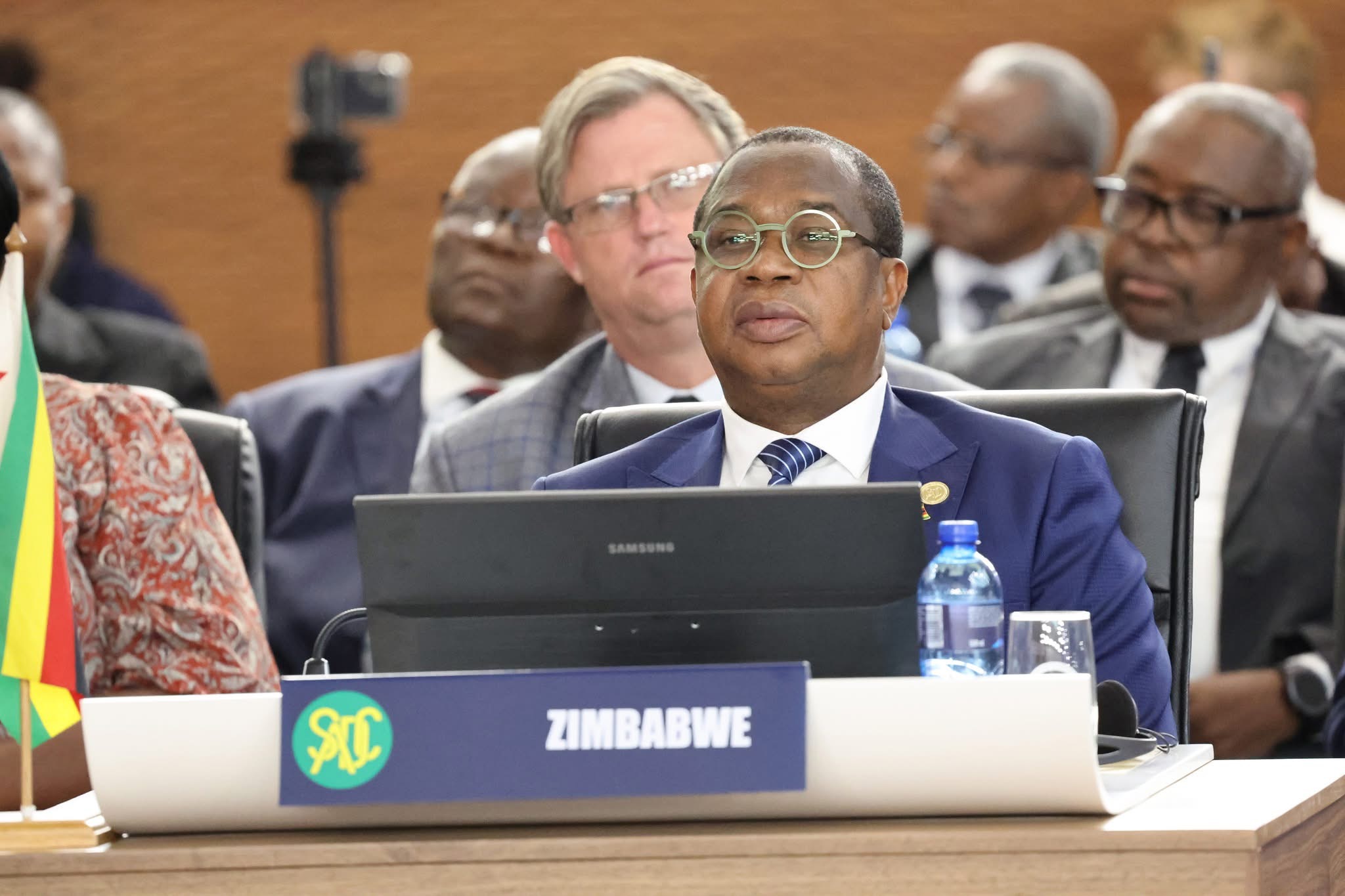
Zimbabwe was represented at the meeting by the Minister of Finance and Economic Development, Professor Mthuli Ncube, who attended on behalf of Professor Amon Murwira, Zimbabwe’s Minister of Foreign Affairs and International Trade and the outgoing Chair of the Council of Ministers.
The Council of Ministers is responsible for supervising the functioning and development of the regional body and ensuring that decisions taken by SADC institutions are implemented by member states. The council comprises ministers from each of the sixteen member states, typically from portfolios responsible for foreign affairs, finance, economic planning or trade, and meets twice a year.
During the Pretoria meeting, ministers reviewed the implementation of decisions taken by previous Council meetings and SADC summits. They also discussed regional priorities including disaster risk management, the state of food and nutrition security in Southern Africa and progress towards operationalising the SADC Regional Development Fund.
Ministers further considered updates on the review of the SADC Industrialisation Strategy and Roadmap 2015 to 2063, a long term regional framework aimed at promoting value addition, strengthening manufacturing capacity and building regional value chains. The strategy forms part of broader efforts by member states to diversify their economies and deepen regional economic integration.
The meeting also examined progress related to the Regional Indicative Strategic Development Plan (RISDP) 2020 to 2030, a ten year policy framework designed to guide cooperation across key areas including industrial development, infrastructure, agriculture, peace and security and human capital development.
In addition, ministers considered the SADC Secretariat Annual Operational Plan and Budget for the 2026 to 2027 financial year, which will shape the organisation’s programme priorities and resource allocation in the coming period.
The Council of Ministers meeting was preceded by a series of preparatory engagements involving senior officials and technical experts from across the region. These included meetings of the Standing Committee of Senior Officials and a special session of senior officials and experts focusing on the implementation of the RISDP framework. The Standing Committee met from 7 to 8 March 2026, followed by the SADC Finance Committee meeting on 9 March.
These preparatory meetings are intended to consolidate technical analysis and draft recommendations before they are presented to ministers for discussion and decision.
The theme guiding the current cycle of SADC engagements reflects growing regional attention to economic transformation and resilience in the face of climate related pressures, shifting global energy systems and the need to strengthen agricultural productivity. Many member states continue to prioritise regional cooperation as a means of advancing industrial development, improving food security and expanding energy access.
Deliberations of the Council of Ministers feed into the broader decision making structures of SADC and help shape the agenda of the annual Summit of Heads of State and Government, the organisation’s highest policy making body.
As discussions concluded in Pretoria, the meeting underscored the continuing role of regional cooperation in shaping development pathways across Southern Africa, with member states seeking to balance national priorities with collective approaches to industrial growth, agricultural transformation and sustainable energy systems.