

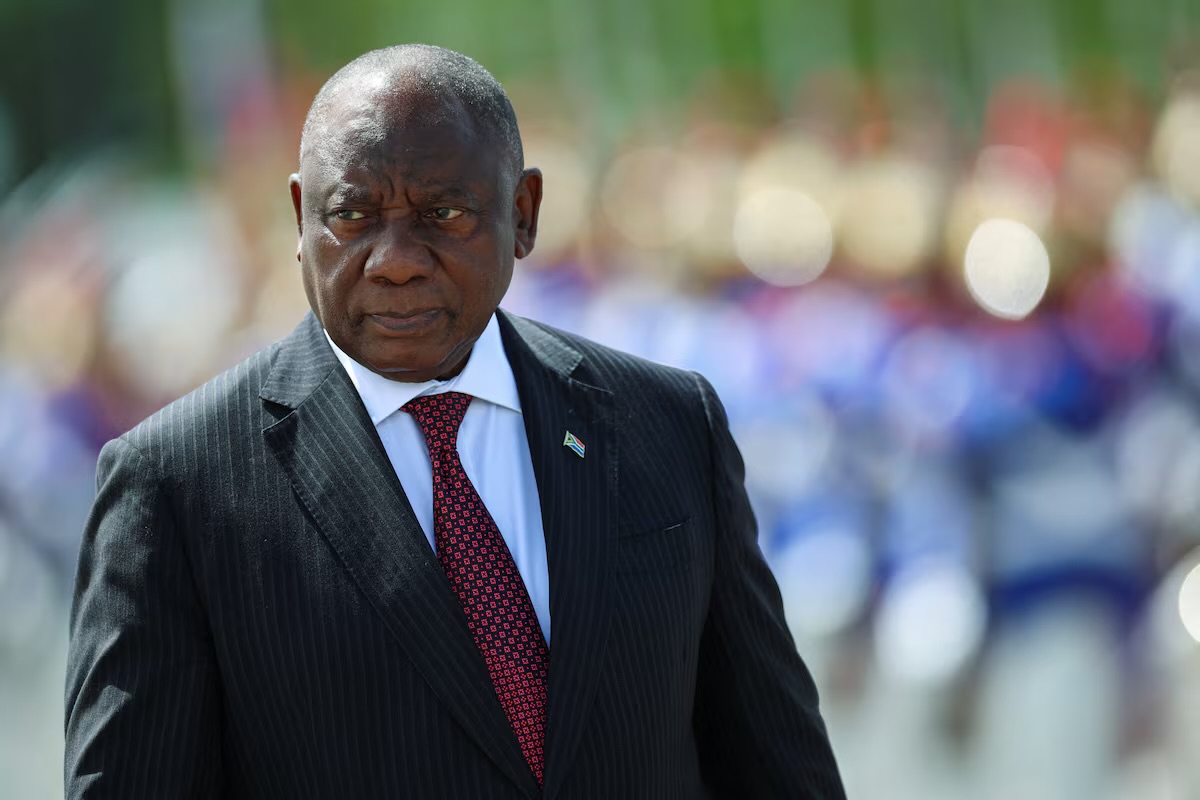
Cyril Ramaphosa has moved to clear his name in the long running “Farmgate” controversy, challenging a parliamentary panel report that found he may have violated the constitution over a cache of stolen cash hidden at his private farm.
In court papers filed on Tuesday, the South African president argued that the 2022 panel’s findings were fundamentally flawed. He said the report misunderstood its mandate and relied heavily on hearsay rather than verified evidence, and should therefore be set aside.
Ramaphosa also signalled he would seek urgent legal relief to halt any potential impeachment process should parliament attempt to proceed before the courts have ruled on his challenge. The move marks a significant escalation in a saga that has lingered over his presidency for several years.



The scandal centres on the theft of around 580,000 dollars in cash from a sofa at his farm in 2020. The incident raised a series of uncomfortable questions, including how the money was acquired, whether it had been properly declared and why such a large sum was being stored in furniture rather than in the banking system.
Ramaphosa has consistently denied any wrongdoing. He maintains that the funds were proceeds from the sale of buffaloes, reflecting his longstanding involvement in the livestock business prior to entering high office. A subsequent investigation by the central bank found that he had not breached exchange control regulations, offering some institutional backing to his defence.
Even so, the political damage has been considerable. The controversy has cut against Ramaphosa’s central political message since taking office in 2018, which has been anchored on tackling corruption and restoring credibility to the African National Congress after years of scandal.

In 2022, lawmakers from the governing party used their parliamentary majority to block impeachment proceedings. However, the issue was revived earlier this month when the Constitutional Court of South Africa ruled that the earlier parliamentary vote was invalid and that the allegations warranted further scrutiny.
That judgment has reopened the political question of accountability, even as the legal battle shifts to the courts. Ramaphosa has said he respects the ruling, but has resisted calls from some opposition figures to step down.
Despite the renewed pressure, the arithmetic of parliament remains in his favour. Although the ANC lost its outright majority in the 2024 election, it still holds roughly 40% of seats, making it difficult for opponents to secure the two thirds majority required to remove a sitting president.
Political analysts broadly expect Ramaphosa to survive any eventual vote, particularly given the ANC’s continued backing. Yet survival does not equate to resolution. The case is likely to drag on, prolonging uncertainty and keeping the issue alive in the public sphere.
For a leader who built his presidency on a promise of ethical renewal, the stakes extend beyond legal outcomes. The credibility of that promise, and the broader question of public trust in institutions, remain tied to how convincingly the matter is resolved.


