Zimbabwe will convene an extraordinary summit of regional heads of state later this month in Harare. The summit, which is scheduled to run from 16 to 20 November, will centre on pressing regional issues, specifically recent political developments and electoral outcomes within the bloc. According to Zimbabwe’s Minister of Information, Publicity, and Broadcasting Services, Jenfan Muswere, preparations for the summit are already well underway, with Harare poised to welcome dignitaries and leaders from the bloc’s 16 member states.
The upcoming summit will provide a platform for SADC leaders to review political landscapes in key member states, following recent elections in Mozambique and Botswana and ahead of the anticipated polls in Namibia. While it remains unclear whether other security or economic matters will be formally tabled, Muswere indicated that the primary focus will be to brief member states on these political transitions, which carry substantial implications for regional stability and governance dynamics.
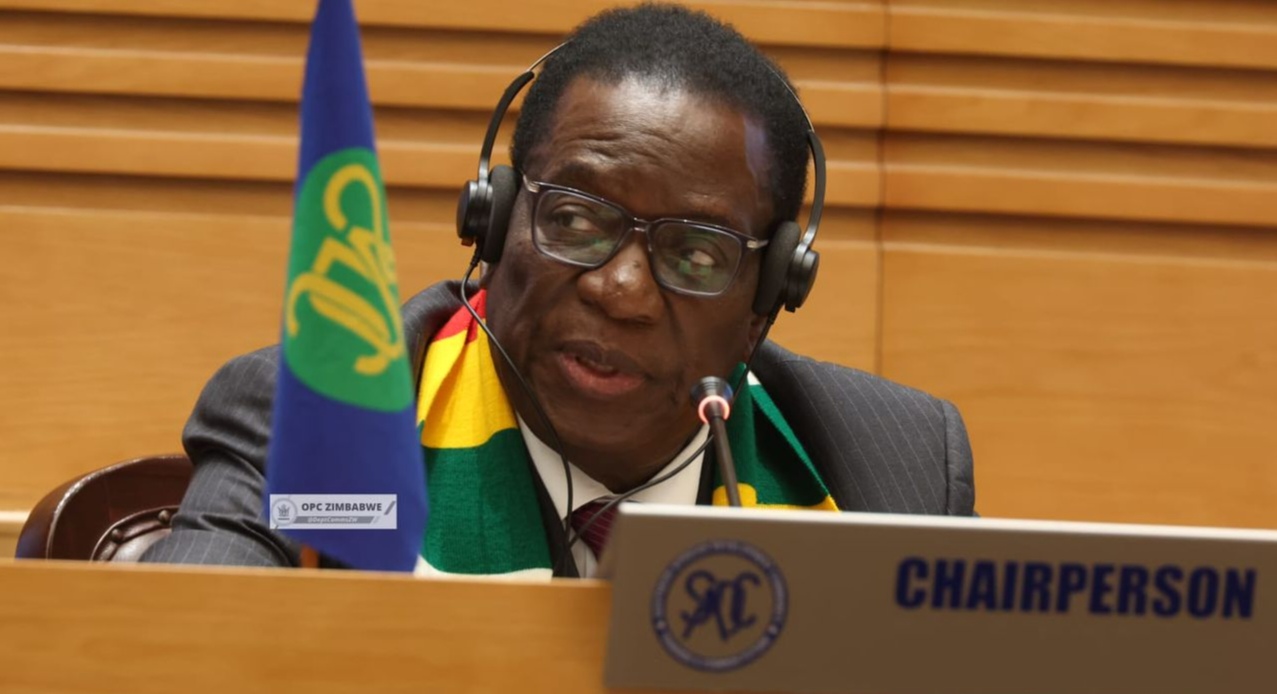
Zimbabwe’s President Emmerson Mnangagwa, who assumed the rotating SADC chairmanship in August, will preside over the summit. The upcoming gathering represents a continuation of Zimbabwe’s leadership role within the SADC, following its successful hosting of the 44th Ordinary SADC Summit in Harare earlier this year. That meeting marked a significant moment for Mnangagwa’s administration, which has placed considerable emphasis on regional engagement as Zimbabwe seeks to strengthen its position on the African diplomatic stage.



The SADC, established in 1980 and headquartered in Gaborone, Botswana, comprises 16 Southern African nations, including Angola, Botswana, Comoros, the Democratic Republic of the Congo, Eswatini, Lesotho, Madagascar, Malawi, Mauritius, Mozambique, Namibia, Seychelles, South Africa, Tanzania, Zambia, and Zimbabwe. Originally created to promote economic integration, SADC has, over the decades, evolved to address a broader range of regional concerns, including political stability, peace-building, and conflict resolution.
As the host nation, Zimbabwe has already set up a series of technical sub-committees tasked with finalising protocols and logistical preparations, leveraging established structures from the August summit. These technical bodies are expected to ensure seamless coordination during the high-profile event, underscoring Zimbabwe’s administrative readiness and commitment to fostering a productive forum for regional dialogue.
The decision to convene an extraordinary summit comes at a time when Southern Africa, like much of the continent, is facing shifting political currents. Mozambique and Botswana recently held national elections that will likely shape their political trajectories over the coming years, while Namibia’s forthcoming elections have garnered significant interest within SADC due to their potential regional implications. These elections are anticipated to be points of discussion, as SADC leaders evaluate democratic processes and seek to bolster political coherence across the region.

Observers note that the Harare summit is an important moment for Mnangagwa’s government, which has sought to project stability and diplomatic acumen within SADC. Mnangagwa, who has faced his own set of domestic challenges, appears eager to use Zimbabwe’s current position to enhance its influence within the bloc, potentially positioning himself as a key figure in addressing regional concerns, especially those related to political stability and governance.
Although SADC’s official mandate focuses on economic integration, its leaders have increasingly engaged with political matters, recognising that stability is essential to the region’s economic ambitions. Past summits have seen SADC address crises in member states, ranging from political deadlock to armed conflicts. With several member nations facing ongoing political and economic challenges, the upcoming summit may well become an opportunity for Zimbabwe to advocate for stronger, more cohesive regional policies.
This month’s extraordinary summit in Harare reaffirms Zimbabwe’s intention to position itself as a proactive leader within SADC. As the region’s leaders gather in Zimbabwe’s capital, the event is expected to reflect not only on electoral matters but also on the broader themes of regional solidarity and shared responsibility amidst Southern Africa’s shifting political landscape.