

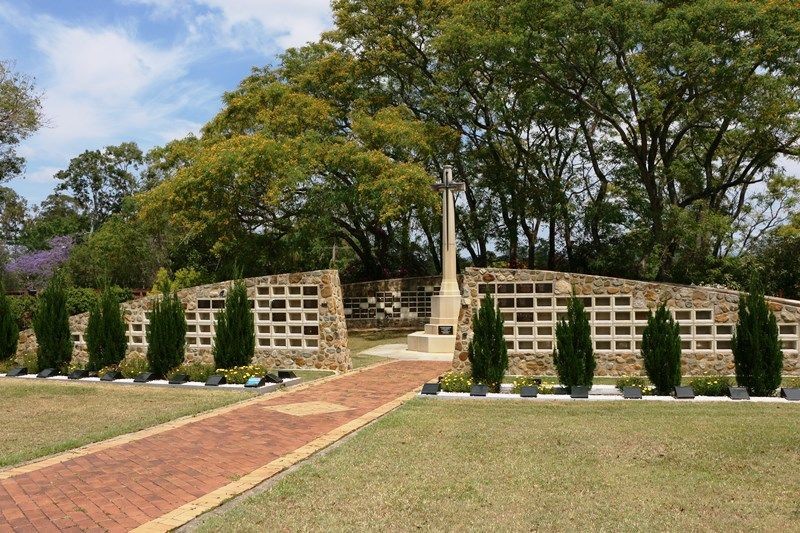
Developers of the Watervlei Memorial Burial Park say construction of what is expected to become one of Zimbabwe’s largest modern cemetery developments remains on course, dismissing suggestions that the project is embroiled in a land dispute while outlining plans that they say will transform burial services in Harare.
Speaking during a press briefing on Thursday, project manager Ismail Nanabawa said the first phase of the development is nearing completion, with the first burials expected to take place during the fourth quarter of 2026. The initial phase will provide approximately 40,000 graves, with a second phase expected to double the cemetery’s capacity to around 80,000 burial spaces.
Nanabawa said the project extends beyond the traditional concept of a cemetery. Planned facilities include mausoleums, cremation and embalming services, landscaped memorial gardens and a memorial village that will accommodate administrative offices and visitor support facilities. A dedicated War Veterans Memorial Garden will also form part of the development, creating a permanent resting place and commemorative space for liberation war veterans.




Construction has advanced significantly since work began in late 2024, with about 80% of the internal road network already completed after extensive rehabilitation of land previously occupied by informal businesses, dumping sites and anthills.
“We started with rehabilitating the site, which had a significant number of anthills and dumping pits,” Nanabawa said.
“The entire premises were being used mainly as pubs, butcheries and restaurants. We spent a significant amount of time landscaping, clearing and preparing for road construction.”
Developers also sought to clarify reports suggesting the project is affected by a land dispute. Nanabawa said there is no dispute involving the cemetery land itself, explaining that the only outstanding issue relates to a small portion of land required for the project’s proposed main access road.
According to him, a group of individuals occupying the land claims it was allocated by the Ministry of National Housing and Social Amenities. Discussions are continuing with the relevant authorities to resolve the matter so that the planned access route can proceed.
The proposed road will connect the memorial park to Seke Road adjacent to Zororo Memorial Park, improving access to the facility and easing traffic movement once the cemetery becomes operational.
The developers are reportedly awaiting approval from the Ministry of Transport and Infrastructural Development to construct an intersection or traffic circle on Seke Road, a key piece of infrastructure that will provide safe entry and exit to the memorial park. He said work on the road connection will begin once the necessary approvals have been granted.
Beyond expanding burial capacity for Harare, the project includes environmental rehabilitation measures, with developers planning to plant about 1,000 trees across the site as part of efforts to create a landscaped memorial environment. Remaining works during the current phase include perimeter fencing, utility installation and the completion of supporting infrastructure before the facility opens to the public.
With Harare’s existing cemeteries facing increasing pressure from population growth, developers say the Watervlei Memorial Burial Park has been designed as a long-term public infrastructure project that combines modern burial services, environmental restoration and memorial spaces within a single integrated development. If construction proceeds as scheduled, the facility could receive its first burials before the end of next year while laying the foundation for one of the country’s largest memorial parks.


