Zimbabwe has intensified its diplomatic campaign for election to a non permanent seat on the United Nations Security Council for the 2027 to 2028 term, with a series of engagements across Eastern Europe led by the Minister of Foreign Affairs and International Trade, Amon Murwira, acting as Special Envoy of President Emmerson Mnangagwa.
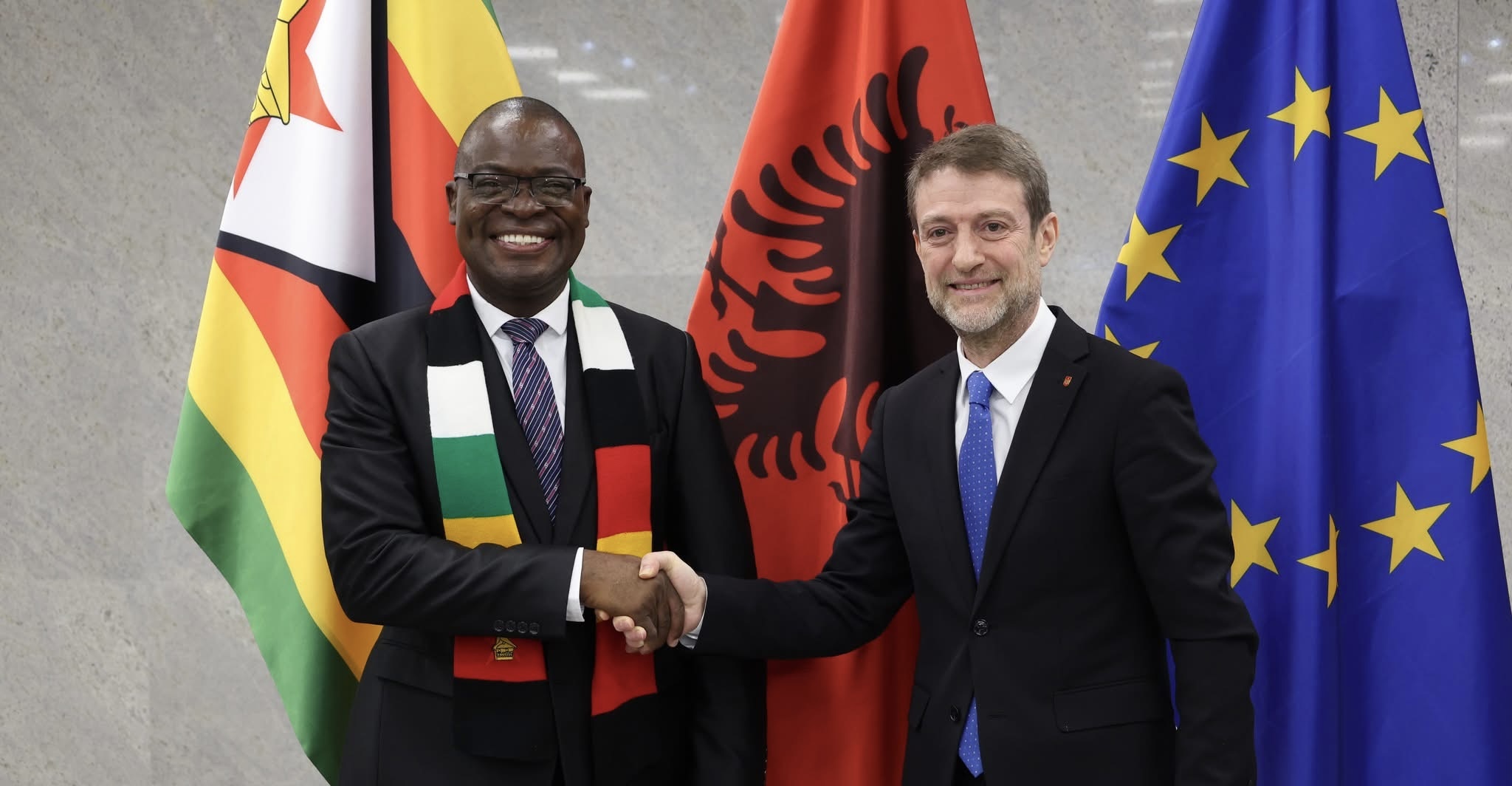
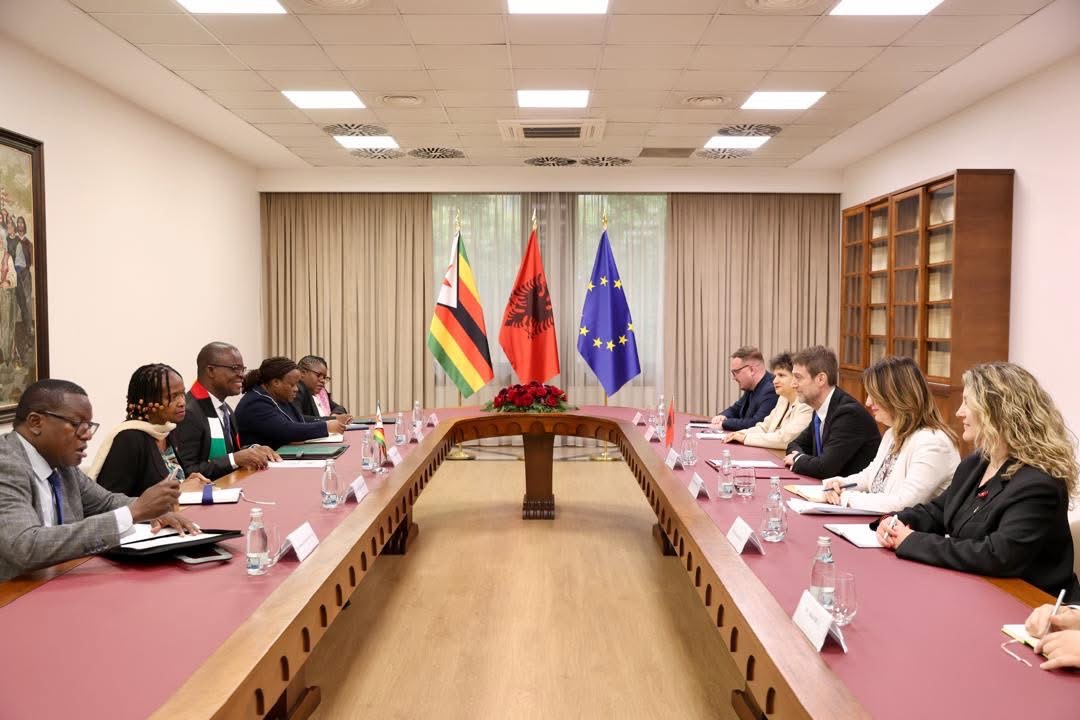
The outreach commenced in Tirana, where Murwira held official discussions with Albania’s Minister for Europe and Foreign Affairs, Ferit Hoxha. According to reporting from The Herald and statements carried by regional diplomatic briefings, the visit forms part of Zimbabwe’s broader effort to consolidate international support ahead of the United Nations General Assembly vote that determines membership of the Security Council.
Albania, which has previously served as a non permanent member of the Council, acknowledged receipt of Zimbabwe’s campaign priorities during the meeting. In remarks reported by Albanian Telegraphic Agency, Hoxha indicated that the discussions addressed areas of potential cooperation in advancing peace, development, and multilateral engagement, while noting that Zimbabwe’s candidature would be considered within established diplomatic frameworks.



Zimbabwe’s current bid aligns with the African Union’s established practice of endorsing candidates for rotational representation on the Security Council. African states occupy three non permanent seats, and candidatures are typically coordinated through regional consensus mechanisms. Background on this process is outlined by the United Nations Security Council and the African Union, both of which emphasise equitable geographical representation in global governance structures.
The Ministry of Foreign Affairs has framed the campaign around principles of dialogue, sovereignty, and multilateral cooperation. Official communications referenced by The Chronicle highlight Zimbabwe’s stated intention to promote conflict prevention, mediation, and adherence to international law, reflecting broader positions articulated by several Global South states regarding the reform of international institutions.
Murwira’s tour is expected to include engagements in Montenegro, Romania, Serbia, and Bosnia and Herzegovina. These countries represent part of a wider diplomatic constituency whose votes may be influential in the General Assembly election process, where successful candidates must secure a two thirds majority.


Zimbabwe’s foreign policy positioning in this context draws on its historical engagement within regional and continental bodies, including the Southern African Development Community and the African Union. Analysts cited by Institute for Security Studies Africa note that African candidatures for the Security Council often emphasise collective priorities such as peacebuilding, development, and the amplification of perspectives from the Global South within international decision making forums.
The campaign also intersects with longstanding calls for reform of the Security Council to better reflect contemporary geopolitical realities. Discussions on reform, including representation and decision making processes, continue within the United Nations system, as outlined by UN General Assembly documentation.
Zimbabwe’s diplomatic engagements in Eastern Europe therefore form part of a broader multilateral strategy that combines bilateral relationship building with participation in ongoing debates about the structure and function of global governance institutions. Within African diplomatic discourse, such efforts are frequently situated within a wider objective of ensuring that international systems more fully accommodate diverse historical experiences and development trajectories.