Nigeria has joined Ghana in formally expressing diplomatic concern to South Africa following a renewed wave of xenophobic incidents that have unsettled communities across parts of the country, underscoring persistent tensions around migration, economic exclusion and regional mobility within Africa.
In Abuja, officials confirmed that Nigeria’s foreign ministry had summoned South Africa’s acting high commissioner to account for what it described as documented cases involving the mistreatment of Nigerian nationals and attacks on their businesses. The meeting, scheduled for early May, reflects an escalation from concern to formal diplomatic engagement, signalling the seriousness with which Africa’s most populous nation is treating the safety of its citizens abroad.
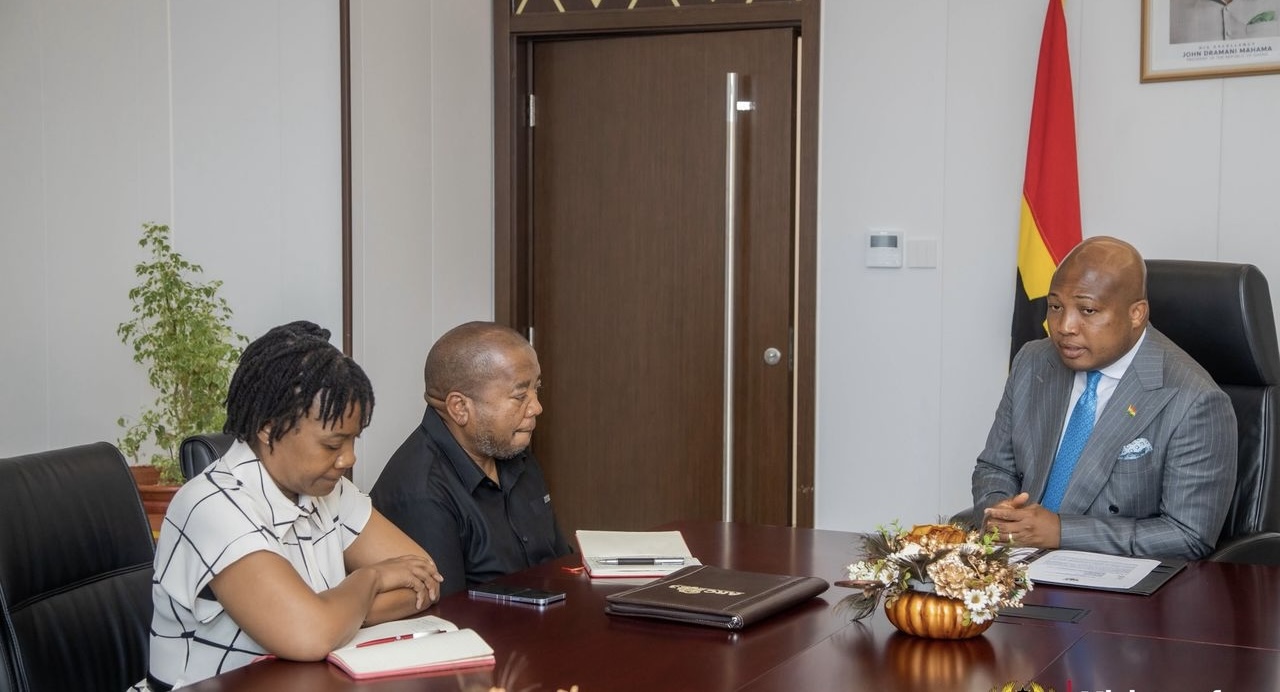
The move follows closely on the heels of a similar démarche by Ghana. In Accra, Foreign Minister Samuel Okudzeto Ablakwa raised concerns over incidents affecting Ghanaian nationals in South Africa, including reports from KwaZulu Natal where a legally resident Ghanaian was allegedly confronted and told to leave the country. Ghanaian authorities further indicated that tensions had reached a level where some foreign nationals were being advised to remain indoors for their own safety.



South Africa remains one of the continent’s principal economic hubs and has long attracted migrants from across Africa, both through formal channels and informal routes. According to Statistics South Africa, the country is home to more than three million foreign nationals, representing just over five percent of the population. A significant proportion originates from member states of the Southern African Development Community, reflecting longstanding patterns of regional labour mobility rooted in shared economic histories and geographic proximity.
However, this movement of people exists alongside structural economic pressures within South Africa itself. With unemployment consistently exceeding 30 percent in recent years, frustration has periodically manifested in anti migrant sentiment, sometimes erupting into violence, looting and intimidation. These cycles are neither new nor isolated, having recurred over the past decade in various urban and peri urban centres.

South African authorities have sought to reaffirm constitutional protections and the rule of law in response to the latest incidents. Acting police minister Firoz Cachalia publicly condemned attacks against foreign nationals, stating that such actions are unlawful and incompatible with the country’s constitutional commitments to dignity and equality. Law enforcement agencies, he noted, have been instructed to respond decisively to any acts of violence or intimidation.
The current diplomatic exchanges between Abuja, Accra and Pretoria illustrate a broader continental dilemma. On one hand, regional integration frameworks across Africa, including those advanced by SADC and the African Continental Free Trade Area, emphasise the free movement of people, goods and services as a pathway to shared prosperity. On the other, domestic socio economic constraints continue to generate friction at community level, where migration is often perceived through the lens of competition for scarce resources.
Analysts across the continent have increasingly cautioned against reducing such tensions to simplistic narratives of hostility. Instead, they point to a convergence of factors that include economic inequality, uneven urban development, governance challenges and the persistence of informal economies that leave both citizens and migrants vulnerable. In this context, episodes of xenophobic violence are better understood as symptoms of deeper structural pressures rather than isolated expressions of national sentiment.
The responses from Nigeria and Ghana also reflect a growing assertiveness among African states in defending the rights of their citizens within the continent. Diplomatic engagement, rather than unilateral rhetoric, has emerged as the preferred mechanism for addressing such disputes, reinforcing the importance of intergovernmental dialogue in managing intra African migration.
For South Africa, the challenge remains one of balancing domestic socio economic reform with its role as a regional anchor economy. For sending countries such as Nigeria and Ghana, the imperative lies in ensuring that migration remains a choice rather than a necessity driven by limited opportunities at home. For the continent as a whole, the moment calls for a recalibration of how mobility, citizenship and economic inclusion are negotiated within an increasingly interconnected Africa.
The unfolding developments are likely to test not only bilateral relations but also the credibility of broader continental ambitions centred on unity and shared growth. Whether the current tensions yield meaningful policy responses or dissipate into another cycle of crisis and reaction will depend on the willingness of governments to address both immediate security concerns and the structural conditions that underpin them.