

Mozambique has formally awarded spectrum licences for the deployment of fifth generation mobile technology and the expansion of fourth generation broadband networks to its three mobile telecommunications operators, marking a significant development in the country’s ongoing digital transformation programme.
The licences were issued by Mozambique’s communications regulator, the Instituto Nacional das Comunicações de Moçambique (INCM), to state affiliated operator Tmcel, Vodacom Mozambique, and Movitel. The allocation follows a spectrum assignment process initiated earlier this year as part of efforts to modernise national telecommunications infrastructure and expand digital access across the country. According to the regulator, the licences form part of broader measures aimed at strengthening the foundations of Mozambique’s digital economy and supporting innovation, public service delivery, and economic development.
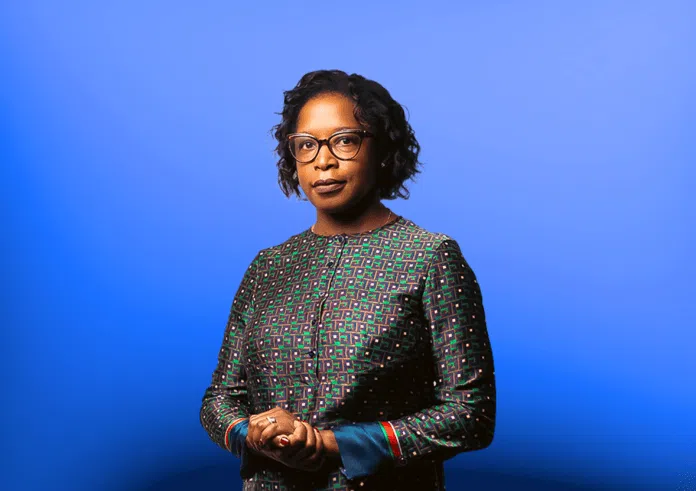
INCM Chairperson Helena Fernandes described radio frequency spectrum as a strategic national resource whose allocation carries obligations extending beyond commercial operations. The regulator stated that operators will be required to meet commitments relating to network coverage, service quality, infrastructure investment and digital inclusion initiatives across the country.



The first phase of the 5G rollout is expected to focus on provincial capitals, major urban centres, industrial zones, economic hubs and densely populated areas. Coverage is also planned for selected tourism destinations, national parks and locations regarded as strategically important to economic activity and national integration. The regulator has indicated that future expansion will extend towards development corridors, border regions and rural communities.
The award of the licences follows months of preparation by the regulator. Earlier in 2026, INCM opened the spectrum allocation process for frequencies in the 700 MHz, 2.6 GHz and 3.5 GHz bands, which are considered essential for balancing network coverage, capacity and service quality in next generation mobile networks.
Alongside the introduction of 5G services, operators have committed to expanding 4G coverage as part of efforts to increase broadband access and address longstanding connectivity disparities between urban and rural populations. Telecommunications infrastructure remains unevenly distributed across many parts of Mozambique, particularly in remote areas where access to reliable internet services has historically lagged behind urban centres.
As part of the digital inclusion programme attached to the licences, approximately 710,000 subsidised smartphones are expected to be distributed nationwide. Of these, around 290,000 devices will be compatible with 5G networks, while the remainder will support 4G services. The initiative is intended to support low income households, students and small businesses through financing mechanisms designed to improve access to digital technologies. Operators have also committed to providing broadband connectivity to at least 3,000 schools and 1,000 community institutions, including health facilities and public service centres.
The development comes as Mozambique seeks to expand its digital infrastructure amid growing demand for mobile internet services. Mobile connectivity has become the primary means through which many Africans access digital services, particularly in countries where fixed broadband infrastructure remains limited. Across the continent, mobile networks increasingly support access to financial services, education, healthcare, government platforms and entrepreneurial activity.
Mozambique’s digital ambitions have been reinforced through national policy discussions held during the Fifth National Communications Conference in Maputo, where government officials, regulators, industry representatives and academics examined strategies to improve connectivity, resilience and digital inclusion. Discussions focused on preparations for 5G deployment, the expansion of 4G networks and approaches to reducing digital inequalities between urban and rural communities.

The country’s three operators currently dominate the mobile telecommunications market. Industry estimates place Vodacom Mozambique as the largest operator by subscriber share, followed by Movitel and Tmcel. Until now, most mobile broadband services have relied on third and fourth generation technologies, making the introduction of 5G a notable technological upgrade with the potential to increase network capacity, reduce latency and support emerging digital applications.
Mozambique joins a growing number of African nations that have begun deploying 5G networks. Countries including South Africa, Kenya, Nigeria, Botswana and Angola have already launched commercial services in selected urban markets. While adoption rates remain relatively modest across much of sub Saharan Africa, regional telecommunications analysts expect 5G usage to increase steadily over the coming decade as network coverage expands and compatible devices become more affordable.
For Mozambique, the significance of the new licences extends beyond technology alone. The expansion of digital infrastructure is increasingly viewed as an enabler of broader economic participation, connecting businesses, schools, healthcare providers and communities to opportunities within national, regional and global markets. The extent to which those benefits are realised will depend on the pace of implementation, affordability of services and the ability of operators and policymakers to extend connectivity beyond major urban centres.
As the rollout begins, attention is likely to focus not only on technological advancement but also on whether the accompanying commitments to digital inclusion and universal access translate into measurable improvements for communities across Mozambique’s diverse geographic and economic landscape.


