Africa’s creative economy is attracting growing attention from governments, investors and development agencies as a catalyst for employment, entrepreneurship, cultural preservation and economic growth. Yet while conversations often celebrate the continent’s abundance of creative talent, far less attention is given to the systems that enable artists to build sustainable careers. For many photographers, filmmakers, writers and designers, the greatest challenge is not creating exceptional work but finding the opportunities, networks and support needed to turn that work into long-term professional success. It is this gap that Zimbabwean-founded, woman-led platform Unpublished Africa is attempting to address by building what it describes as the infrastructure behind Africa’s creative economy.
Across much of the continent, emerging creatives frequently encounter the same barriers. Opportunities to exhibit, publish, secure commissions, access mentorship, build professional networks or receive continued support after training programmes remain limited. While short-term initiatives often provide visibility, they do not always create the conditions necessary for sustainable participation in the creative sector. As a result, many promising careers stall before reaching their full potential.
Founded by Zimbabwean creative entrepreneur Anesu Chikumba, Unpublished Africa was established to explore what stronger support systems for African photographers and visual storytellers could look like in practice. Since its inception, creatives from more than 30 African countries have participated in the organisation’s exhibitions, publications, research projects, artist talks, training programmes and community initiatives. Although photography remains its primary focus, the organisation’s work increasingly contributes to wider discussions around entrepreneurship, cultural participation, representation and the development of Africa’s creative industries.



Rather than viewing exhibitions or workshops as isolated events, Unpublished Africa approaches them as part of a broader ecosystem. The organisation argues that creative careers require continuous pathways that allow practitioners not only to develop their skills but also to access professional opportunities, collaborate with peers, generate income and eventually become leaders within their own creative communities.
This philosophy has informed a growing body of research examining structural challenges facing Africa’s creative sector. Publications including Photography as an Agent of Social Transformation: Collaboration for Impact (2024), I’d Be Empowered If… Unlocking True Empowerment for African Women in Photography (2025), Navigating the Path: Art Education in Africa (2025), Distributed Cultural Infrastructure in Africa: Lessons from Unpublished Africa Photo Week (2026), and I’d Be Empowered If… Building Infrastructure for Women’s Participation in Africa’s Creative Economy (2026) all point towards a common conclusion. While African creatives possess remarkable talent, they continue to face recurring obstacles including limited access to exhibitions, publishing platforms, commissions, mentorship, professional networks and long-term institutional support.
These findings have also shaped the organisation’s flagship Creative Business Studio programme. Originally developed to help photographers navigate practical aspects of professional practice such as pricing, contracts, intellectual property, grants and entrepreneurship, the initiative has gradually evolved into a leadership development platform. Participants are encouraged not only to build their own careers but also to create opportunities for others.
The results are becoming increasingly visible across the continent. Alumni have gone on to organise photo walks, curate exhibitions, establish publications, mentor emerging photographers, build archives and lead creative communities within their respective cities. Several now serve as collaborators and programme facilitators within Unpublished Africa itself, demonstrating how investment in individuals can contribute to stronger local creative ecosystems.

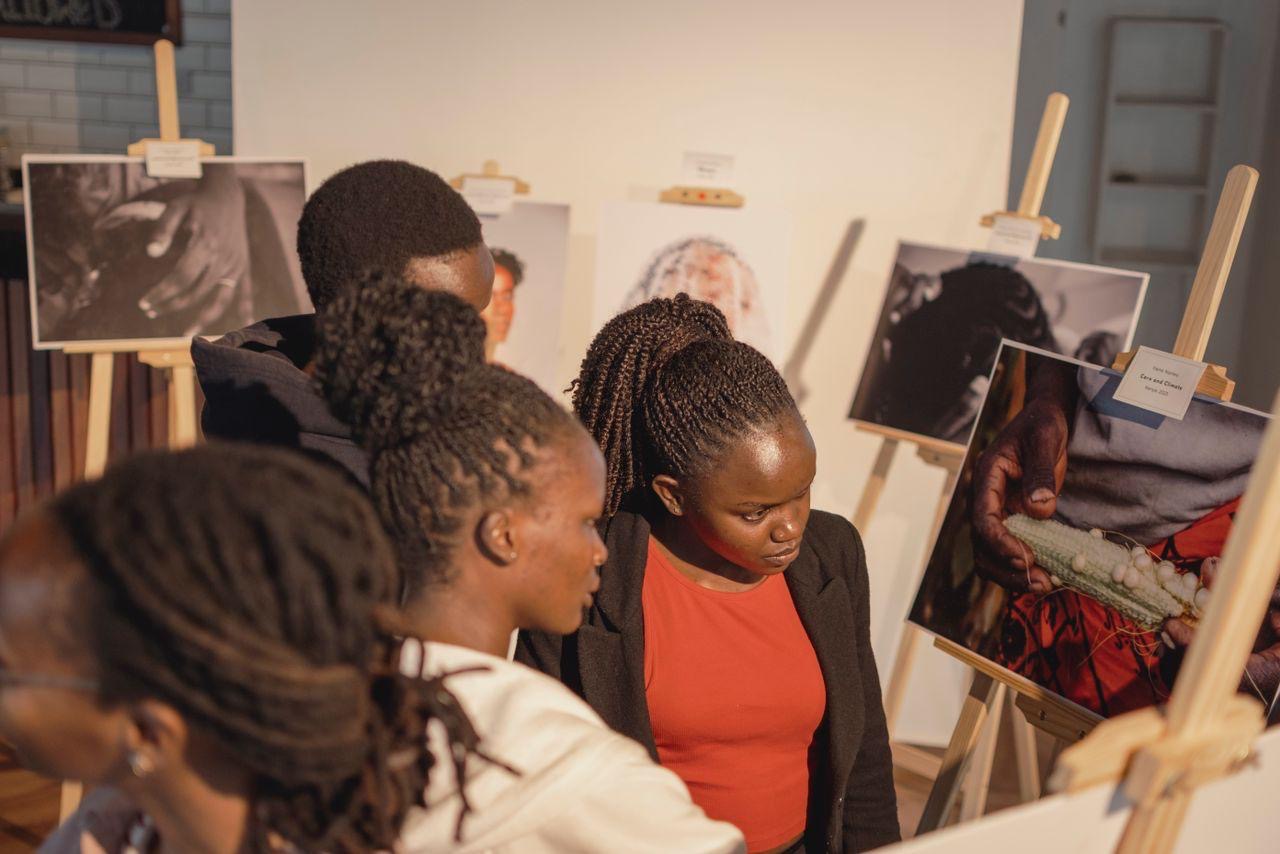
The organisation has similarly reimagined exhibitions as spaces for dialogue rather than simply venues for displaying photographs. Its exhibition I’d Be Empowered If…, presented at Baraza Media Lab in Nairobi, examined women’s participation in photography and the wider creative economy, drawing on research into the barriers women continue to face within the profession. Rather than focusing solely on artistic output, the exhibition encouraged public discussion around representation, access, labour, visibility and sustainability.
A similar approach informed How We Lead, curated in partnership with United States International University-Africa during Africa Day celebrations. Through visual storytelling, the exhibition explored leadership as it is expressed through entrepreneurship, resilience, creativity and everyday acts of community building. Other projects have connected photography with conversations around climate action, cultural heritage, social impact and the United Nations Sustainable Development Goals, reflecting the organisation’s belief that visual storytelling has an important role to play in public discourse.
Increasingly, Unpublished Africa’s work extends beyond supporting individual photographers to examining how representation shapes perception. The stories told through photographs influence how communities understand themselves and how Africa is viewed by the wider world. For that reason, the organisation encourages visual storytellers to think critically about the narratives they create and the influence those narratives have on identity, development and collective memory.
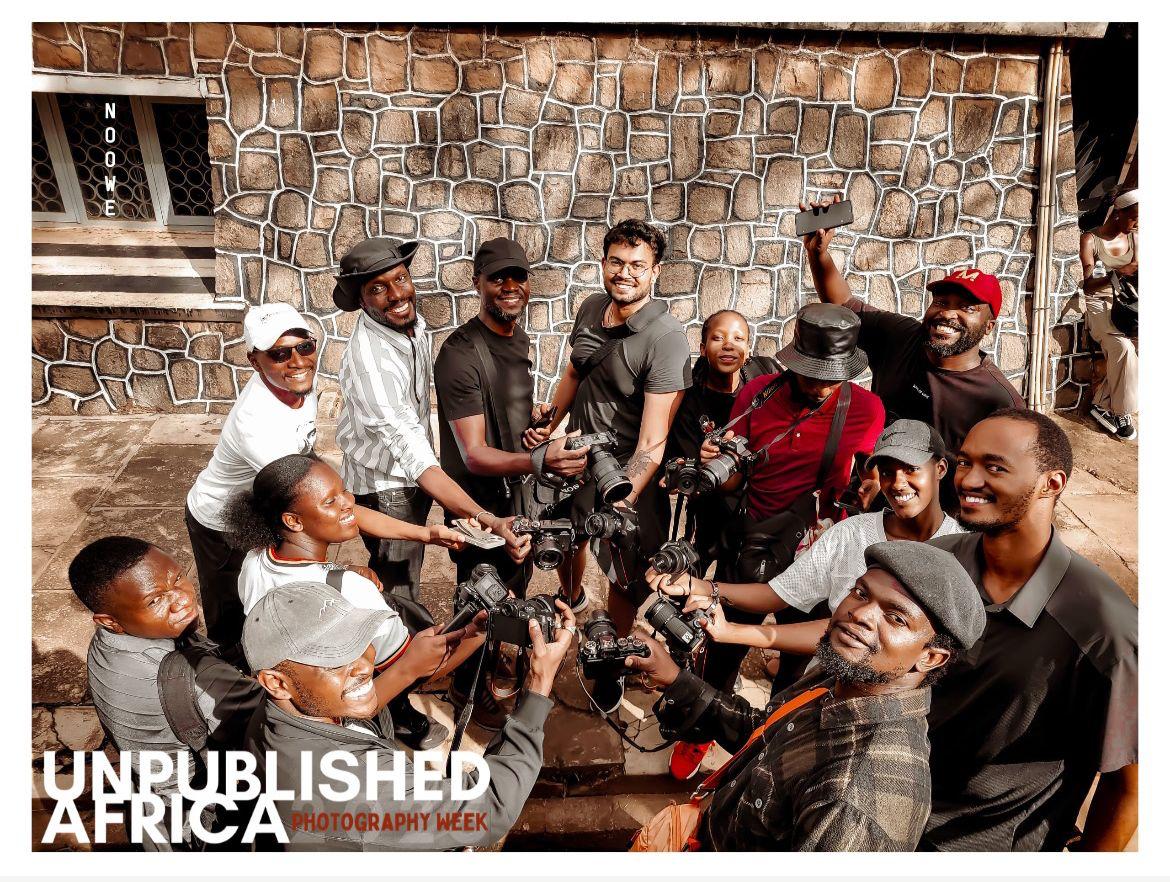
That conversation will continue during the fourth edition of Unpublished Africa Photo Week, scheduled for November under the theme Narrative Power. Since its launch in 2022, the initiative has grown into a distributed, multi-country programme combining exhibitions, workshops, artist talks, panel discussions and community events. Its most recent edition reached 16 cities across nine African countries, demonstrating how locally driven cultural programming can create opportunities for dialogue while strengthening creative networks across borders.
As interest in Africa’s creative economy continues to expand, the debate is gradually moving beyond the question of whether the continent possesses sufficient talent. Increasingly, attention is turning towards the systems required to sustain that talent over time. The challenge is no longer simply to discover creative potential but to ensure that pathways exist for creatives to exhibit, publish, collaborate, earn, lead and contribute meaningfully to their industries.
For organisations such as Unpublished Africa, the future of Africa’s creative economy will depend less on the brilliance of individual artists than on the strength of the infrastructure that enables them to thrive. Talent may provide the foundation, but it is sustained opportunity, institutional support and collaborative ecosystems that ultimately determine whether creative industries become lasting drivers of economic and cultural transformation across the continent.