Tuesday, March 10, 2026
  • Login
The Southern African Times
  • Home
  • Southern Africa
  • Business
    • African Start ups
    • African Continental Free Trade Area
  • Technology
    • Lifestyle
      • Health
      • Culture
      • Food and Drink
      • Entertainment
  • Opinion
  • Sports
  • SAT Jobs
    • Events
  • About Us
    • Advertise with Us
    • Contact Us
No Result
View All Result
  • Home
  • Southern Africa
  • Business
    • African Start ups
    • African Continental Free Trade Area
  • Technology
    • Lifestyle
      • Health
      • Culture
      • Food and Drink
      • Entertainment
  • Opinion
  • Sports
  • SAT Jobs
    • Events
  • About Us
    • Advertise with Us
    • Contact Us
No Result
View All Result
The Southern African Times
No Result
View All Result
Home Feature

Zambians Turn to Traditional Attire as Ncwala Ceremony Rekindles Cultural Identity

by SAT Reporter
February 26, 2026
in Feature
0
Zambians Turn to Traditional Attire as Ncwala Ceremony Rekindles Cultural Identity

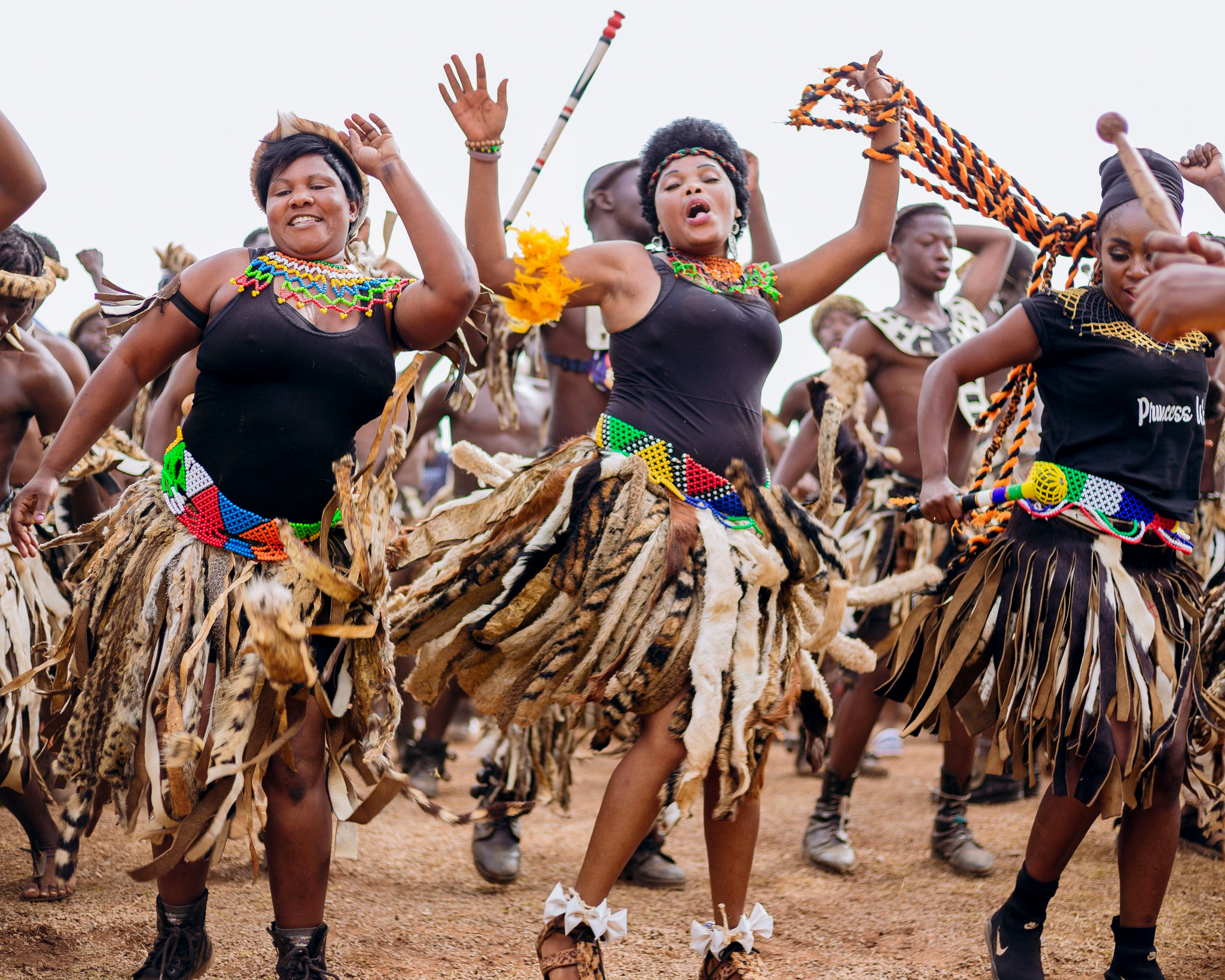
Across Zambia’s provinces, more than 70 traditional ceremonies are held annually, forming one of the most extensive ceremonial calendars in Southern Africa. These gatherings, embedded in agricultural cycles and systems of traditional governance, continue to shape social life in both rural and urban communities. Among the most prominent is the Ncwala ceremony of the Ngoni people in Eastern Province, held on the last Saturday of February at Mtenguleni Village in Chipata District. According to the Zambia Tourism Agency, Ncwala is a first fruits ceremony during which the Ngoni give thanks to their ancestral spirits and Paramount Chief Mpezeni for the harvest and the renewal of the year.

In Lusaka’s central business district, the approach of Ncwala is visible not only in public discourse but also in commerce. Traders specialising in Ngoni regalia report a steady rise in demand for ceremonial attire in the weeks leading up to the event. Headbands, shields, breastplates and other items fashioned from animal skins and beadwork are purchased by those intending to participate in parades, dances and communal rituals in Chipata. For many buyers, the preference is for handcrafted pieces that align closely with attire worn during official segments of the ceremony.

Vendors describe this trade as both an economic livelihood and a contribution to cultural continuity. A simple headband may retail at around 50 Zambian kwacha, an amount that, based on exchange rates published by the Bank of Zambia, is equivalent to approximately 2 to 3 United States dollars depending on prevailing rates. The relative affordability of such items enables broader participation, including urban residents who travel from Lusaka and other towns to Eastern Province specifically for the ceremony.


ADVERTISEMENT

Scholars of African customary systems have long observed that attire in ritual settings functions as a social signifier. Within Ngoni practice, clothing and adornment communicate readiness to participate rather than merely observe. The symbolic vocabulary of shields, skins and beadwork is closely linked to histories of migration, chieftaincy and martial organisation. These elements are not static artefacts but living expressions of communal identity, adapted over time while retaining continuity with inherited forms.

The broader international framework for understanding such practices is articulated in the UNESCO 2003 Convention for the Safeguarding of the Intangible Cultural Heritage. The convention defines intangible cultural heritage as practices, representations, expressions, knowledge and skills that communities recognise as part of their cultural inheritance. In this context, ceremonies such as Ncwala are not simply events in a tourism calendar but embodiments of collective memory, agricultural knowledge and systems of authority. Zambia is among the states that participate in this global framework, which encourages safeguarding through community leadership rather than external prescription.

The constitutional recognition of traditional leadership in Zambia further situates Ncwala within the country’s governance landscape. Paramount Chief Mpezeni presides over the ceremony, reinforcing the symbolic relationship between chieftaincy and the well being of the land. The ritual offering of first fruits affirms the moral and spiritual dimensions of leadership while acknowledging the centrality of agriculture in rural livelihoods. Comparable first fruits observances are found elsewhere on the continent, including Umkhosi Wokweshwama in Eswatini and Odwira in Ghana, illustrating a shared African pattern in which seasonal renewal is intertwined with political and spiritual authority.

Observers note that the visibility of Ncwala has increased through digital media platforms, which circulate images and commentary beyond the immediate locality of Chipata. This has encouraged participation among younger generations and among Zambians living outside their ancestral regions. The interplay between social media and ceremony reflects broader continental dynamics in which urbanisation and technological change do not necessarily displace tradition but can facilitate its reinterpretation and dissemination.

At the same time, cultural commentators caution against reducing such ceremonies to spectacle. While traditional events contribute to local economies and are promoted as part of Zambia’s cultural tourism offering, community leaders frequently emphasise their primary role as custodians of social cohesion and moral order. The purchase and wearing of appropriate attire is therefore widely understood as an act of respect and belonging rather than simply consumer behaviour.

From a pan African perspective, the renewed embrace of traditional attire in Zambia forms part of a wider movement across the continent to articulate heritage in ways that are locally grounded and future oriented. Rather than presenting African ceremonies as remnants of a distant past, communities are positioning them as dynamic spaces in which identity, economy and governance intersect. In Lusaka’s markets and Chipata’s ceremonial grounds alike, the stitching of skins and beadwork becomes a visible expression of this ongoing negotiation between continuity and change.

As Zambia’s ceremonial calendar reaches its early year peak, the presence of Ngoni regalia in urban marketplaces signals more than seasonal trade. It reflects a society engaged in reaffirming its cultural inheritance while participating fully in contemporary civic and economic life.

Tags: ChipataCultural Heritageintangible cultural heritageLusakaNcwala ceremonyNgoniParamount Chief MpezeniSouthern Africatraditional attireZambia
Previous Post

Mozambique Overhauls Maritime Law to Bolster Port Power in Southern Africa

Next Post

Zimbabwe Suspends Raw Mineral and Lithium Concentrate Exports to Advance Domestic Beneficiation

SAT Reporter

Related Posts

Africa’s Silent Star: Khaby Lame’s Billion Dollar Rise to Global Power
Feature

Africa’s Silent Star: Khaby Lame’s Billion Dollar Rise to Global Power

by SAT Reporter
January 26, 2026
Tanzania’s Struggle for Water Reflects a Warming Continent’s Climate Realities
Feature

Tanzania’s Struggle for Water Reflects a Warming Continent’s Climate Realities

by SAT Reporter
January 5, 2026
Feature: In Eastern DR Congo’s Uvira, the Scars of War Remain as Calm Tentatively Returns
Democratic Republic of Congo

Feature: In Eastern DR Congo’s Uvira, the Scars of War Remain as Calm Tentatively Returns

by SAT Reporter
December 14, 2025
Sudanese Herders Struggle to Safeguard Livestock as Prolonged Conflict Deepens
Feature

Sudanese Herders Struggle to Safeguard Livestock as Prolonged Conflict Deepens

by SAT Reporter
December 10, 2025
Mozambique’s Nacala Corridor Upgrade Gains Momentum Through Sino-African Infrastructure Collaboration
Feature

Mozambique’s Nacala Corridor Upgrade Gains Momentum Through Sino-African Infrastructure Collaboration

by SAT Reporter
December 2, 2025
Next Post
Zimbabwe Suspends Raw Mineral and Lithium Concentrate Exports to Advance Domestic Beneficiation

Zimbabwe Suspends Raw Mineral and Lithium Concentrate Exports to Advance Domestic Beneficiation

Browse by Category

  • Africa AI
  • African Continental Free Trade Area
  • African Debt
  • African Start ups
  • Agriculture
  • AI Africa
  • Algeria
  • All News
  • Analysis
  • Angola
  • Arts / Culture
  • Asia
  • Botswana
  • BOTSWANA
  • BREAKING NEWS
  • BRICS
  • Burkina Faso
  • Burundi
  • Business
  • Business
  • Business Wire
  • Cameroon
  • Central Africa
  • Chad
  • China
  • Climate Change
  • Climate Changev
  • Community
  • Congo Republic
  • Conservation
  • Côte d’Ivoire
  • COVID 19
  • CRYPTOCURRENCY
  • Culture
  • Democratic Republic of Congo
  • Diplomacy
  • Eastern Africa
  • Economic Development
  • Economy
  • Education
  • Egypt
  • Elections 2024
  • Energy
  • Entertainment
  • Environment
  • Eritrea
  • Ethiopia
  • Europe
  • Fashion
  • Feature
  • Finance
  • Financial Inclusion
  • Food
  • Food and Drink
  • Foods
  • GABON
  • Ghana
  • Global
  • Global Africa
  • Guinea
  • Health
  • Immigration
  • in Southern Africa
  • International news
  • International Relations
  • Ivory Coast
  • Just In
  • Kenya
  • Lesotho
  • Libya
  • Life Style
  • Lifestyle
  • Literature
  • Malawi
  • Malawi
  • Mali
  • Markets
  • Mauritius
  • Middle East
  • Mining in Africa
  • Morocco
  • Mozambique
  • Namibia
  • Niger
  • niger
  • Nigeria
  • North Africa
  • North-Eastern Africa
  • Obituaries
  • Obituary
  • Opinion
  • PARTNER CONTENT
  • Politics
  • Property
  • Racism
  • Rwanda
  • Rwanda
  • SADC
  • SAT Interviews
  • SAT Investigation
  • SAT Jobs
  • Saudi Arabia
  • Senegal
  • Seychelles
  • South Africa
  • South Sudan
  • Sports
  • Startup Africa
  • STOCK EXCHANGE
  • Sudan
  • Sustainability
  • Sustainablity
  • Tanzania
  • Technology
  • Telecommunications
  • The Editorial Board
  • The Power Of She
  • Togo
  • Trade
  • Travel
  • Travel
  • Tunisia
  • Uganda
  • Uncategorized
  • Wealth
  • West Africa
  • World
  • World
  • Zambia
  • ZAMBIA
  • ZIMBABWE
  • Zimbabwe

Browse by Tags

#NewsUpdate #SouthAfrica #SouthernAfricanTimes #TheSouthernAfricanTimes AfCFTA africa African Continental Free Trade Area African development African Development Bank African economy African Union Agriculture Angola Botswana Business China Climate change Cyril Ramaphosa Donald Trump Economic Development economic growth energy transition Finance food security Ghana industrialisation Infrastructure Development International relations Investment Kenya Mozambique Namibia news Nigeria Pan-Africanism Regional Integration renewable energy Rwanda SADC South Africa Southern Africa sustainable development Tanzania Zambia Zimbabwe
ADVERTISEMENT

WHO WE ARE

The Southern African Times is a regional bloc digital newspaper that covers Southern African and world news. The paper also gives a nuanced analysis on news and covers a wide range of reporting which include sports, entertainment, foreign affairs, arts and culture.

Welcome Back!

Login to your account below

Forgotten Password?

Retrieve your password

Please enter your username or email address to reset your password.

Log In

  • Home
  • Southern Africa
  • Business
    • African Start ups
    • African Continental Free Trade Area
  • Technology
    • Lifestyle
      • Health
      • Culture
      • Food and Drink
      • Entertainment
  • Opinion
  • Sports
  • SAT Jobs
    • Events
  • About Us
    • Advertise with Us
    • Contact Us
Are you sure want to unlock this post?
Unlock left : 0
Are you sure want to cancel subscription?