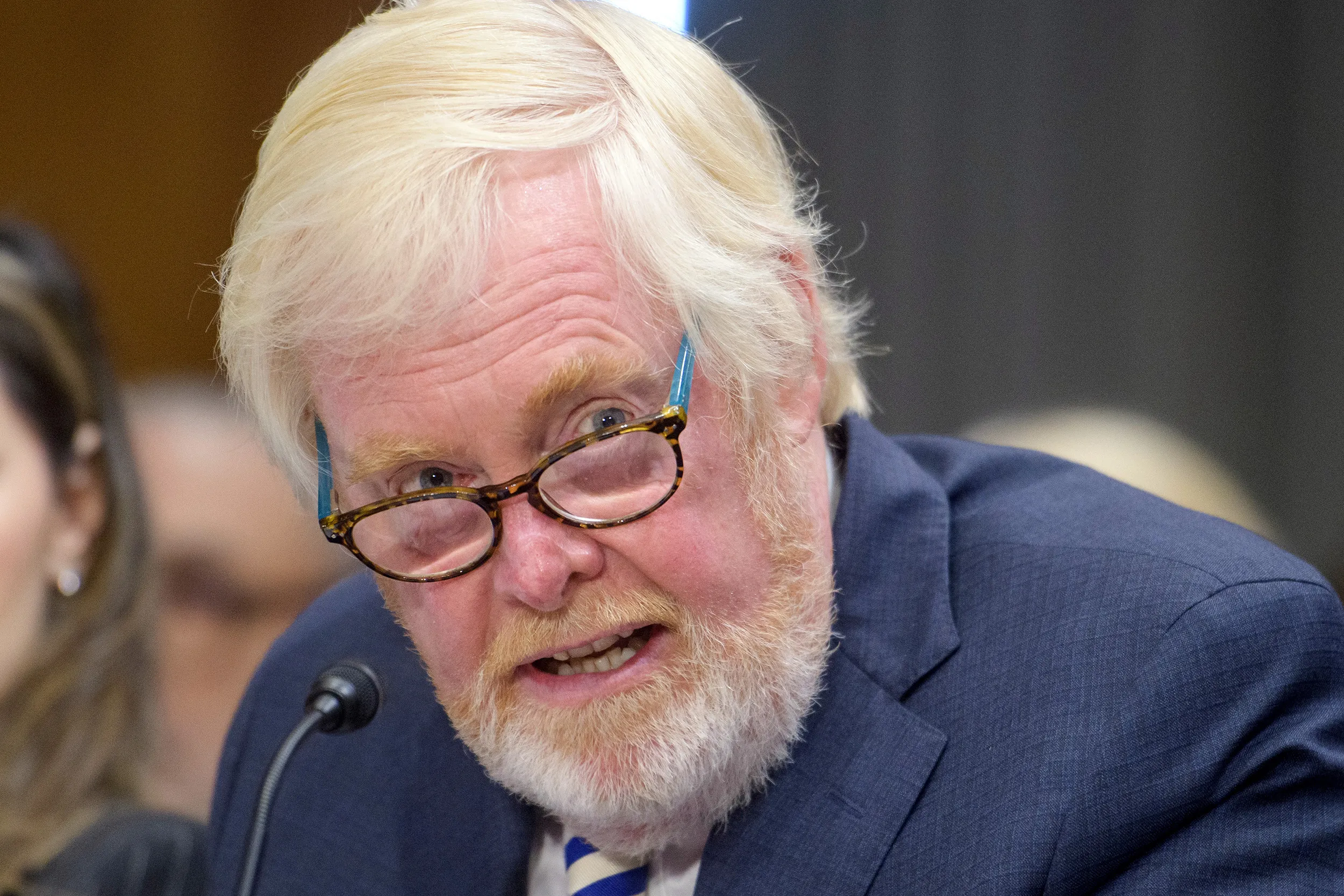
Recent remarks by United States ambassador to South Africa Leo Brent Bozell have drawn renewed attention to the complex and historically layered relationship between Washington and Pretoria. Speaking in Cape Town, the ambassador suggested that the administration of President Donald Trump is becoming increasingly impatient with what it sees as unresolved policy concerns within South Africa, including land reform, rural safety and aspects of the country’s foreign policy orientation.
Bozell’s comments, reported by the Afrikaans news platform Netwerk24 and reflected in remarks published on the United States Embassy in South Africa website, highlighted concerns from Washington about South Africa’s business climate, its Expropriation Act, and the country’s diplomatic engagement with states that the United States regards as geopolitical rivals.
Yet within South Africa and across much of the African continent, the issues raised by Washington are often interpreted through a wider historical and political context. The debate around land reform in particular remains deeply intertwined with the country’s colonial and apartheid legacies. Land dispossession formed a central pillar of South Africa’s system of racial segregation, formalised through legislation such as the 1913 Natives Land Act, which restricted Black South Africans to a small fraction of the country’s territory. More than three decades after the end of apartheid, addressing the structural inequalities created by that system continues to shape national policy debates.



The Expropriation Act forms part of the democratic government’s attempt to create a clearer legal framework for land redistribution while balancing constitutional protections for property rights and the need for social justice. Scholars of South African political economy note that land reform remains one of the most contested yet essential components of the country’s broader project of post apartheid transformation.
South Africa’s approach reflects an effort to reconcile historical redress with economic stability. Analysts emphasise that the country’s constitution places strong safeguards around expropriation, requiring that it be conducted in the public interest and subject to legal oversight. These provisions are often highlighted by policymakers as evidence that land reform is being pursued within the framework of constitutional democracy rather than through arbitrary seizure.
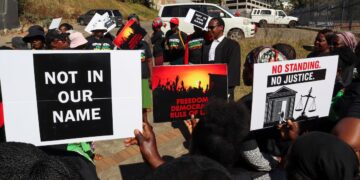
The ambassador also raised the issue of rural safety, echoing long standing claims within some political circles in the United States that White farmers are specifically targeted by violence. South African officials and many independent studies have challenged this characterisation, noting that violent crime remains a nationwide challenge affecting people of all backgrounds. Government statistics and academic research indicate that rural crime forms part of a broader national crime crisis rooted in inequality, unemployment and the social disruptions that followed apartheid’s structural legacy.
Another point of contention concerns the historical chant “Kill the Boer”, which emerged during the anti apartheid struggle and remains a politically sensitive symbol in contemporary South African discourse. While critics argue that the chant constitutes hate speech, others emphasise its origins within a liberation movement confronting a system widely recognised as one of the twentieth century’s most institutionalised forms of racial oppression. South African courts have repeatedly engaged with the issue, balancing historical context, political expression and constitutional protections of speech.

South Africa’s government has responded firmly to suggestions that its domestic policies or international relations should be shaped by external pressure. African National Congress secretary general Fikile Mbalula stated that South Africa’s foreign policy would be determined by its own democratic institutions and national priorities. His comments reflect a broader sentiment within African political thought that sovereignty and policy autonomy remain essential principles of post colonial governance.
President Cyril Ramaphosa has also criticised some of the rhetoric emerging from Washington. In a recent interview with the New York Times, Ramaphosa described certain positions taken by the Trump administration as racially insensitive, a comment that further illustrated the widening diplomatic divide between the two governments.
Despite these tensions, the United States and South Africa remain closely connected through trade, investment and multilateral engagement. South Africa is one of the largest beneficiaries of the African Growth and Opportunity Act, which provides preferential access for African exports to American markets. The two countries also cooperate on issues such as health research, education and regional security initiatives.
At the same time, South Africa has pursued a foreign policy that emphasises strategic autonomy and solidarity with other nations in the Global South. This approach includes diplomatic engagement with countries across multiple geopolitical blocs and reflects Pretoria’s broader commitment to multilateralism, South South cooperation and reform of global governance institutions.
Scholars of international relations often describe South Africa as a middle power seeking to balance relationships with major global actors while maintaining an independent voice on issues affecting the developing world. This orientation is rooted partly in the country’s liberation history, during which international solidarity played a decisive role in the global campaign against apartheid.
Across Africa, many observers interpret the current tensions not simply as a bilateral disagreement but as part of a wider transformation in global politics. African states are increasingly asserting agency in shaping international partnerships on their own terms, moving away from relationships defined primarily by dependency or external direction.
Within that context, South Africa’s policy choices are frequently framed domestically as an attempt to navigate the responsibilities of a democratic state still grappling with the legacies of colonialism while also acting as a diplomatic voice for broader African interests. The debate surrounding Washington’s recent criticism therefore reflects deeper questions about sovereignty, historical justice and the evolving place of African nations within the global order.