When oil prices surged past $100 a barrel in March 2026, the immediate cause was geopolitical shock. The escalating confrontation involving Iran, Israel and the United States sent energy markets into uncertainty, with traders pricing in the possibility that a wider regional conflict could disrupt supplies from one of the world’s most critical oil-producing regions. The Middle East accounts for roughly a third of global crude production, and even the perception of instability around key shipping routes such as the Strait of Hormuz can push prices sharply upward. As markets reacted to the prospect of supply disruption, oil prices rose rapidly.
For Africa, the consequences of such a price spike are complex. At first glance, higher oil prices might appear beneficial to some African economies, particularly those that export crude such as Nigeria, Angola, Algeria and Libya. Yet the broader picture is far less straightforward. Most African countries remain net importers of petroleum products, meaning that a surge in global prices translates directly into higher energy costs across their economies. Even some oil-producing countries import refined fuel because they lack sufficient domestic refining capacity, which limits the economic advantages of higher crude prices.
Recent economic assessments suggest that the effects of such shocks ripple through African economies quickly and widely. Analysis from the International Monetary Fund indicates that geopolitical escalation in the Middle East could affect Sub-Saharan Africa through several channels simultaneously, including higher energy prices, exchange-rate pressures, tighter financial conditions and reduced global demand. The African Development Bank has similarly warned that geopolitical tensions and commodity price volatility remain major risks to Africa’s economic recovery, particularly in countries already facing debt burdens and fiscal constraints.



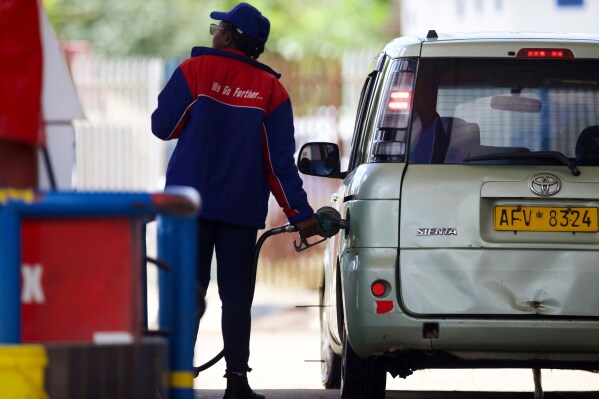
The most immediate consequence of rising oil prices is usually inflation. Fuel costs are deeply embedded in the structure of African economies. Diesel powers trucks that move food across vast distances, fuel runs generators where electricity supply is unreliable, and transportation systems depend heavily on imported petroleum. When oil prices rise, transport costs increase, which pushes up the price of goods and especially food. In economies where households already spend a large proportion of their income on essential goods, even relatively small increases in fuel costs can quickly erode purchasing power.
Recent research examining inflation dynamics in African economies shows that domestic fuel prices and exchange-rate movements are among the strongest drivers of inflation. In some cases they have a stronger influence than global commodity prices themselves. This means that even if the international oil price rise is moderate, the impact inside African economies can be amplified by currency depreciation or domestic fuel price adjustments.

Currency pressures form another key channel through which oil shocks affect African economies. Oil is traded globally in US dollars, so when prices rise, countries that import petroleum must spend more foreign currency to purchase the same amount of fuel. For economies with limited foreign exchange reserves, this can place significant pressure on local currencies. Studies of African exchange-rate volatility suggest that external shocks and geopolitical uncertainty often lead to currency depreciation, which then increases the cost of imported goods across the economy. As imports become more expensive, inflation accelerates further, reinforcing the initial shock caused by higher oil prices.
Governments are often forced into difficult policy choices in this environment. Many African countries maintain fuel subsidies or price stabilization mechanisms to prevent sudden spikes in domestic energy costs. When global prices surge, governments must either allow fuel prices to rise domestically or absorb the increase through larger subsidy payments. Allowing prices to rise can trigger public frustration or social unrest, while expanding subsidies places additional pressure on already strained government budgets. In recent years, several African economies have struggled to balance fiscal consolidation with the political pressure to shield consumers from rising energy prices.
Although oil exporters may appear to benefit from higher prices, the reality can be more nuanced. In theory, higher oil prices increase export revenues and government income. However, production constraints, currency volatility and structural weaknesses in the energy sector can limit these benefits. Some oil-producing countries continue to import refined petroleum products, which means domestic consumers still face higher fuel prices even when crude exports become more valuable. In such cases, the economic gains from oil exports may not translate into broader economic relief for households.
The broader economic environment also matters. Research examining the global effects of recent geopolitical crises, including the economic disruptions triggered by the Russia–Ukraine war, suggests that commodity shocks rarely occur in isolation. Higher oil prices often coincide with increased shipping costs, rising insurance premiums for maritime transport, disruptions to supply chains and tighter global financial conditions. These factors can combine to amplify the economic pressure on developing economies that are heavily dependent on imports.
In this context, the surge in oil prices linked to tensions in the Middle East may represent more than just an energy shock. It could also interact with existing economic vulnerabilities across parts of Africa, including currency instability, high debt levels and limited fiscal buffers. Countries with diversified energy sources, stronger foreign exchange reserves and more resilient fiscal frameworks may be better positioned to absorb the impact. Others may face more difficult adjustments as higher energy costs ripple through their economies.
Ultimately, the current oil price surge highlights the degree to which African economies remain interconnected with global geopolitical developments. A conflict thousands of kilometres away can quickly influence fuel prices, food costs and fiscal pressures across the continent. Whether the outcome is manageable or destabilizing will depend largely on the resilience of individual economies and the policy choices governments make as they respond to the shock.