Monday, June 15, 2026
  • Login
The Southern African Times
  • Home
  • Southern Africa
  • Business
    • African Start ups
    • African Continental Free Trade Area
  • Technology
    • Lifestyle
      • Health
      • Culture
      • Food and Drink
      • Entertainment
  • Opinion
  • Sports
  • SAT Jobs
    • Events
  • About Us
    • Advertise with Us
    • Contact Us
No Result
View All Result
  • Home
  • Southern Africa
  • Business
    • African Start ups
    • African Continental Free Trade Area
  • Technology
    • Lifestyle
      • Health
      • Culture
      • Food and Drink
      • Entertainment
  • Opinion
  • Sports
  • SAT Jobs
    • Events
  • About Us
    • Advertise with Us
    • Contact Us
No Result
View All Result
The Southern African Times
No Result
View All Result
Home Opinion

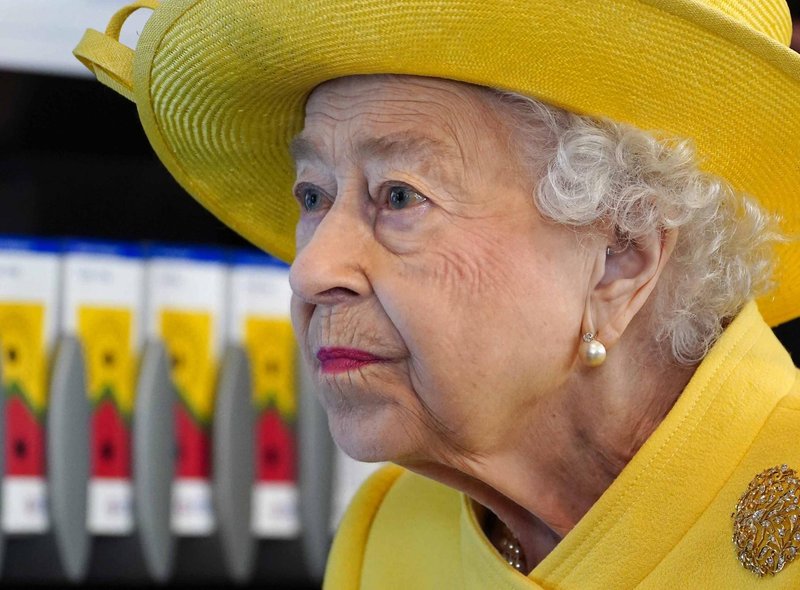
Queen’s Platinum Jubilee: A collective misremembering of empire

The queen today is the Dr Jekyll to the UK’s Mr Hyde – encapsulating the glory and benevolence of empire with the evil separated out.

by SAT Reporter
June 5, 2022
in Opinion
0
Queen’s Platinum Jubilee: A collective misremembering of empire

In his 1886 Gothic novella, The Strange Case of Dr Jekyll and Mr Hyde, Scottish author Robert Louis Stevenson tells the tale of Dr Henry Jekyll, wealthy, well-born, and highly respected, who develops a potion that enables him to separate his evil desires from the control of his good self, thus giving rise to the grotesque and deformed Edward Hyde. Jekyll believes that he can receive the pleasure that both parts of his being crave without each being encumbered by the demands of the other.

Watching media coverage of festivities marking Queen Elizabeth II’s Platinum Jubilee – 70 years since she acceded to the throne – I could not help feeling that the British state had achieved something similar. The pomp and circumstance surrounding the celebrations, from the marching troops to beacons lit around the world, were undoubtedly reminiscent of the long-faded glories of the empire, which today are personified by the queen and her family. However, the memory of the horrors that empire visited on millions around the globe – where, to borrow Jekyll’s description of his alter-ego Hyde, “evil … had left on that body an imprint of deformity and decay” – was almost completely absent from the telling.

It was during a visit to Kenya in February 1952 that she learned of her father’s death and became queen. She and her husband, Prince Philip, had almost skipped that leg of their imperial tour given that the colony was already in the early stages of the armed Kenya Land and Freedom Army peasant rebellion that the world would come to know as the Mau Mau uprising. The romanticised tale of the girl who went up a tree a princess and descended a queen tends to ignore the circumstances she was thrust into as well as the death, torture, brutalisation and dispossession of Kenyans that would mark the first decade of her reign. Needless to say, little of that made it into the Platinum Jubilee brochure.


ADVERTISEMENT

A large part of the international media seemed to obsess over the reactions of four-year-old Prince Louis to the Royal Air Force (RAF) flypast, his facial expressions drawing “howls of delight and amusement from the watching crowd”. In November 1953, nearly two years into Elizabeth’s reign, my father would have been about the same age as Prince Louis. I doubt many journalists would spend any time imagining his reactions over the next 20 months as RAF planes flew over the concentration camps into which the British had forced 1.5 million people and dropped nearly six million bombs on Kenyans demanding their land and freedom. I imagine they would have been very different.

Little ink will be spilled on another feature of Elizabeth II’s reign – Operation Legacy, the systematic attempt to erase and distort the truth about the colonial enterprise through the wide-scale theft, destruction and doctoring of documents as the wind of change swept her empire away. In 2013, after a group of elderly Kenyans sued the United Kingdom, the Foreign Office was forced to admit it had illegally hidden more than one million colonial-era documents that should have been declassified. To date, these documents remain in the UK and are yet to be repatriated to the colonies they were stolen from.

Meant to spare the British government the embarrassment and liability for the atrocities and crimes committed during the colonial era, the existence of the archive was hidden not just from Kenyans, but from the British people, many of whom retain a romanticised version of the empire as a benevolent undertaking and remain deeply ignorant of its inhumanity.

The queen today is the Dr Jekyll to the UK’s Mr Hyde – encapsulating the glory and benevolence of the empire with the evil separated out. Neither she nor her descendants have deigned to acknowledge, apologise and seek to make amends for the horrors visited upon Kenyans in her name. The $25 million grudgingly paid out to 5,000 Mau Mau veterans in 2013 was a pittance compared to the violence and dispossession suffered (remember 190 years ago the country used 40 percent of its national budget to compensate slave owners – not slaves – following the abolition of slavery), and the British government continues to deny liability for the sins of the colonial administration, in effect arguing that Kenyans had inherited the culpability for their own oppression. The murmurs of “regret” at the atrocities thus fall far short of an apology. More importantly, there has been no effort made to find and punish the people who committed the atrocities, even though some may still be alive.

Some may argue that as a constitutional monarch, she wields little power over the decisions made and actions carried out in her name. However, by choosing to stay silent while she and her family continue to enjoy the fruits of oppression, she has effectively displayed either astounding moral cowardice or quietly endorsed those actions and decisions.

Her Platinum Jubilee is a call to a collective misremembering of her imperial past and the violence and misery the state she heads and represents has wrought in the world. But like Jekyll, the supply of carefully crafted falsehoods keeping the Hyde-bound truth at bay is running out. Around the world, as evidenced by the protests during recent royal tours of the Caribbean and the determination expressed by those nations to rid themselves of the queen as head of state, the demand for an acknowledgement of the truth and for justice is building steam. If the UK persists in trying to hide from its dark past, it risks its international reputation and standing being consumed by it.

Patrick Gathara Communications consultant, writer, and award-winning political cartoonist based in Nairobi.
Previous Post

ECOWAS rejects 36-month transition proposed by Guinean military leaders

Next Post

Agriculture is the most important part of the Green Revolution

SAT Reporter

Related Posts

LONG READ | No Longer the World’s Dustbin: China’s Waste Ban and Africa’s Circular Economy Moment
Opinion

LONG READ | No Longer the World’s Dustbin: China’s Waste Ban and Africa’s Circular Economy Moment

by Times Reporter
June 12, 2026
OPINION | The Investors Southern Africa Refuses to See
Opinion

OPINION | The Investors Southern Africa Refuses to See

by Times Reporter
June 14, 2026
Faith, Miracles and the Crisis of Religious Authenticity
Opinion

Faith, Miracles and the Crisis of Religious Authenticity

by Brendan Amadi
June 10, 2026
How DRC President Leveraged Geopolitics to Secure Political Survival
Opinion

How DRC President Leveraged Geopolitics to Secure Political Survival

by Dr. Alex Ntung
June 9, 2026
Zimbabwe’s Child Online Safety Moment and Why It Matters Beyond 2030
Opinion

Zimbabwe’s Child Online Safety Moment and Why It Matters Beyond 2030

by Kundai Vambe
June 5, 2026
Next Post
Agriculture is the most important part of the Green Revolution

Agriculture is the most important part of the Green Revolution

Browse by Category

  • Africa AI
  • African Continental Free Trade Area
  • African Debt
  • African Start ups
  • Agriculture
  • AI Africa
  • Algeria
  • All News
  • Analysis
  • Angola
  • Arts / Culture
  • Asia
  • Botswana
  • BOTSWANA
  • BREAKING NEWS
  • BRICS
  • Burkina Faso
  • Burundi
  • Business
  • Business
  • Business Wire
  • Cameroon
  • Central Africa
  • Chad
  • China
  • Climate Change
  • Climate Changev
  • Community
  • Congo Republic
  • Conservation
  • Côte d’Ivoire
  • COVID 19
  • CRYPTOCURRENCY
  • Culture
  • Democratic Republic of Congo
  • Diplomacy
  • Eastern Africa
  • Economic Development
  • Economy
  • Education
  • Egypt
  • Elections 2024
  • Energy
  • Entertainment
  • Environment
  • Eritrea
  • Ethiopia
  • Europe
  • Fashion
  • Feature
  • Finance
  • Financial Inclusion
  • Food
  • Food and Drink
  • Foods
  • GABON
  • Ghana
  • Global
  • Global Africa
  • Guinea
  • Health
  • Humanitarian Aid
  • Immigration
  • in Southern Africa
  • International news
  • International Relations
  • Investment
  • Ivory Coast
  • Just In
  • Kenya
  • Lesotho
  • Libya
  • Life Style
  • Lifestyle
  • Literature
  • Malawi
  • Malawi
  • Mali
  • Markets
  • Mauritius
  • Middle East
  • Mining in Africa
  • Morocco
  • Mozambique
  • Namibia
  • niger
  • Niger
  • Nigeria
  • North Africa
  • North-Eastern Africa
  • Obituaries
  • Obituary
  • Opinion
  • PARTNER CONTENT
  • Politics
  • Property
  • Racism
  • Rwanda
  • Rwanda
  • SADC
  • SAT Interviews
  • SAT Investigation
  • SAT Jobs
  • Saudi Arabia
  • Senegal
  • Seychelles
  • Somaliland
  • South Africa
  • South Sudan
  • Sports
  • Startup Africa
  • STOCK EXCHANGE
  • Sudan
  • Sustainability
  • Sustainablity
  • Tanzania
  • Technology
  • Telecommunications
  • The Editorial Board
  • The Power Of She
  • Togo
  • Trade
  • Travel
  • Travel
  • Tunisia
  • Uganda
  • Uncategorized
  • Wealth
  • West Africa
  • World
  • World
  • ZAMBIA
  • Zambia
  • ZIMBABWE
  • Zimbabwe

Browse by Tags

#NewsUpdate #SouthAfrica #SouthernAfricanTimes #TheSouthernAfricanTimes AfCFTA africa African Continental Free Trade Area African development African Development Bank African economies African economy African Union Agriculture Angola Botswana China Climate change Cyril Ramaphosa Economic Development economic growth energy transition governance IMF industrialisation Inflation Infrastructure Infrastructure Development International relations Investment Kenya Mozambique Namibia news Nigeria Regional Integration renewable energy Rwanda SADC South Africa Southern Africa sustainable development Tanzania United States Zambia Zimbabwe
ADVERTISEMENT

WHO WE ARE

The Southern African Times is a regional bloc digital newspaper that covers Southern African and world news. The paper also gives a nuanced analysis on news and covers a wide range of reporting which include sports, entertainment, foreign affairs, arts and culture.

Welcome Back!

Login to your account below

Forgotten Password?

Retrieve your password

Please enter your username or email address to reset your password.

Log In
  • Home
  • Southern Africa
  • Business
    • African Start ups
    • African Continental Free Trade Area
  • Technology
    • Lifestyle
      • Health
      • Culture
      • Food and Drink
      • Entertainment
  • Opinion
  • Sports
  • SAT Jobs
    • Events
  • About Us
    • Advertise with Us
    • Contact Us
Not enough quota to unlock this post
Unlock left : 0
Are you sure want to cancel subscription?