Wednesday, June 10, 2026
  • Login
The Southern African Times
  • Home
  • Southern Africa
  • Business
    • African Start ups
    • African Continental Free Trade Area
  • Technology
    • Lifestyle
      • Health
      • Culture
      • Food and Drink
      • Entertainment
  • Opinion
  • Sports
  • SAT Jobs
    • Events
  • About Us
    • Advertise with Us
    • Contact Us
No Result
View All Result
  • Home
  • Southern Africa
  • Business
    • African Start ups
    • African Continental Free Trade Area
  • Technology
    • Lifestyle
      • Health
      • Culture
      • Food and Drink
      • Entertainment
  • Opinion
  • Sports
  • SAT Jobs
    • Events
  • About Us
    • Advertise with Us
    • Contact Us
No Result
View All Result
The Southern African Times
No Result
View All Result
Home Opinion

Faith, Miracles and the Crisis of Religious Authenticity

by Brendan Amadi
June 10, 2026
in Opinion
0
Faith, Miracles and the Crisis of Religious Authenticity

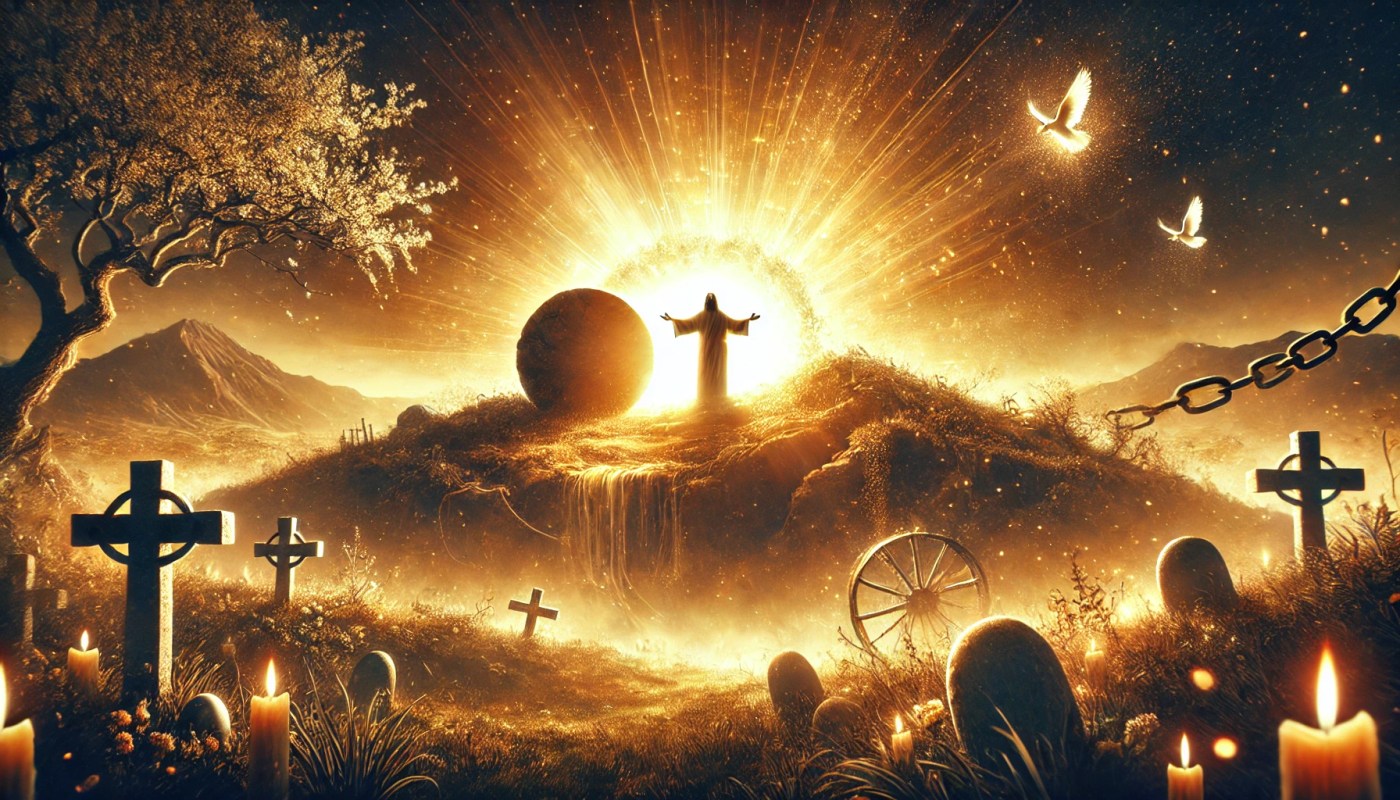
Across Africa and much of the developing world, churches have become some of the most visible institutions in society. New congregations emerge every year, prayer centres fill stadiums, and miracle crusades attract thousands seeking solutions to problems ranging from illness and unemployment to family breakdown and financial hardship. For many believers, these gatherings offer hope in difficult circumstances. Yet they also raise an uncomfortable question: why has the rapid growth of miracle centred ministries not been matched by a corresponding decline in many of the social challenges they claim to address?

The answer is not straightforward. Christianity has always acknowledged the possibility of miracles. Throughout the Bible, miraculous events feature prominently in the ministry of Jesus Christ, the apostles, and many of the prophets who came before them. These miracles were not performed as entertainment or commercial ventures. They served a deeper purpose by revealing God’s power, strengthening faith, and drawing people closer to spiritual truth.

It is therefore understandable that many Christians continue to believe in miracles today. Faith, after all, involves belief in realities that transcend ordinary human experience. Throughout history, countless believers have testified to extraordinary encounters that they attribute to divine intervention. The issue is not whether miracles can occur. The more pressing concern is how miracle claims are being used in contemporary religious spaces.


ADVERTISEMENT

In many countries, the pursuit of miracles has become a major industry. Churches are often marketed around promises of supernatural breakthroughs, instant healing, financial prosperity, and prophetic revelations. Congregants are encouraged to believe that every problem has an immediate spiritual solution, provided they attend the right service, sow the right seed, or receive the right prophetic declaration. This trend has created fertile ground for abuse.

The growing commercialization of religion has enabled some individuals to present themselves as spiritual authorities without adequate theological formation, accountability, or oversight. In such environments, charisma can easily replace character. Emotional appeals may take precedence over sound teaching, while sensational claims attract attention and financial contributions. The result is a form of religious consumerism where faith is measured by visible manifestations rather than spiritual maturity.

Such developments should concern Christians not because miracles are inherently problematic, but because the pursuit of miracles can sometimes overshadow the essence of the Gospel itself. Christianity is fundamentally centred on transformation, discipleship, service, and a relationship with God. Miracles may accompany faith, but they were never intended to become its foundation.

The consequences of this imbalance are becoming increasingly visible. Across the continent, stories regularly emerge of vulnerable people being manipulated by self proclaimed prophets, subjected to financial exploitation, or persuaded to abandon medical treatment in favour of promised supernatural cures. In some cases, the damage extends beyond financial loss to emotional trauma and shattered faith.

This reality creates a difficult challenge for believers. On one hand, Christians should remain open to the possibility of divine intervention. On the other, they are called to exercise discernment. The New Testament repeatedly urges believers to test spiritual claims rather than accept them uncritically. Faith and wisdom were never meant to operate in opposition to one another.

The Church therefore faces an important responsibility. It must continue to proclaim hope while resisting the temptation to reduce Christianity to a catalogue of miraculous transactions. Genuine spiritual leadership should direct people toward deeper faith rather than dependency on personalities. It should cultivate character rather than merely promise comfort. Most importantly, it should remind believers that God’s presence is not measured solely by dramatic signs and wonders.

The popularity of miracle ministries reflects a deeper human reality. People long for healing, security, purpose, and relief from suffering. These desires are entirely understandable. Yet Christianity teaches that faithfulness often involves perseverance as much as breakthrough. Not every prayer is answered immediately. Not every hardship disappears overnight. Spiritual growth frequently occurs through patience, endurance, and trust.

This may be the most challenging message for modern believers to accept, but it is also one of the most important.

The future of Christianity in Africa will depend not only on its ability to inspire hope, but also on its commitment to authenticity. Churches that place truth above spectacle and service above self promotion will be better positioned to guide believers through an increasingly complex religious landscape.

Miracles may strengthen faith, but they cannot replace it. The true measure of Christianity has never been the number of extraordinary events witnessed in a congregation. It has always been the transformation of lives through genuine encounter with God.

In an age captivated by promises of instant solutions, that distinction is more important than ever.


Brendan Amadi is a Nigerian‑born scholar, writer, and public intellectual based in the United Kingdom, whose work traverses the intersecting fields of politics, religion, philosophy, history, and African identity.

Tags: #Christianity#ChristianLiving#ChurchLeadership#FaithAndReligion#FaithMatters#ReligionInAfrica#ReligiousAuthenticity#SpiritualDiscernment
Previous Post

Former Deputy Minister Joins London-Based Sankofa Capital

Brendan Amadi

Related Posts

How DRC President Leveraged Geopolitics to Secure Political Survival
Opinion

How DRC President Leveraged Geopolitics to Secure Political Survival

by Dr. Alex Ntung
June 9, 2026
Zimbabwe’s Child Online Safety Moment and Why It Matters Beyond 2030
Opinion

Zimbabwe’s Child Online Safety Moment and Why It Matters Beyond 2030

by Kundai Vambe
June 5, 2026
The Southern African Times Announces 2026 Editorial Recognition List (Shortlist Phase)
The Editorial Board

The Southern African Times Announces 2026 Editorial Recognition List (Shortlist Phase)

by The Editorial Board
June 2, 2026
Education and the Making of Responsible Citizens
Opinion

Education and the Making of Responsible Citizens

by Brendan Amadi
June 2, 2026
LONG READ | Zimbabwe Is Open for Business. But at What Price?
Opinion

LONG READ | Zimbabwe Is Open for Business. But at What Price?

by SAT Reporter
June 2, 2026

Browse by Category

  • Africa AI
  • African Continental Free Trade Area
  • African Debt
  • African Start ups
  • Agriculture
  • AI Africa
  • Algeria
  • All News
  • Analysis
  • Angola
  • Arts / Culture
  • Asia
  • Botswana
  • BOTSWANA
  • BREAKING NEWS
  • BRICS
  • Burkina Faso
  • Burundi
  • Business
  • Business
  • Business Wire
  • Cameroon
  • Central Africa
  • Chad
  • China
  • Climate Change
  • Climate Changev
  • Community
  • Congo Republic
  • Conservation
  • Côte d’Ivoire
  • COVID 19
  • CRYPTOCURRENCY
  • Culture
  • Democratic Republic of Congo
  • Diplomacy
  • Eastern Africa
  • Economic Development
  • Economy
  • Education
  • Egypt
  • Elections 2024
  • Energy
  • Entertainment
  • Environment
  • Eritrea
  • Ethiopia
  • Europe
  • Fashion
  • Feature
  • Finance
  • Financial Inclusion
  • Food
  • Food and Drink
  • Foods
  • GABON
  • Ghana
  • Global
  • Global Africa
  • Guinea
  • Health
  • Humanitarian Aid
  • Immigration
  • in Southern Africa
  • International news
  • International Relations
  • Investment
  • Ivory Coast
  • Just In
  • Kenya
  • Lesotho
  • Libya
  • Life Style
  • Lifestyle
  • Literature
  • Malawi
  • Malawi
  • Mali
  • Markets
  • Mauritius
  • Middle East
  • Mining in Africa
  • Morocco
  • Mozambique
  • Namibia
  • Niger
  • niger
  • Nigeria
  • North Africa
  • North-Eastern Africa
  • Obituaries
  • Obituary
  • Opinion
  • PARTNER CONTENT
  • Politics
  • Property
  • Racism
  • Rwanda
  • Rwanda
  • SADC
  • SAT Interviews
  • SAT Investigation
  • SAT Jobs
  • Saudi Arabia
  • Senegal
  • Seychelles
  • Somaliland
  • South Africa
  • South Sudan
  • Sports
  • Startup Africa
  • STOCK EXCHANGE
  • Sudan
  • Sustainability
  • Sustainablity
  • Tanzania
  • Technology
  • Telecommunications
  • The Editorial Board
  • The Power Of She
  • Togo
  • Trade
  • Travel
  • Travel
  • Tunisia
  • Uganda
  • Uncategorized
  • Wealth
  • West Africa
  • World
  • World
  • ZAMBIA
  • Zambia
  • Zimbabwe
  • ZIMBABWE

Browse by Tags

#NewsUpdate #SouthAfrica #SouthernAfricanTimes #TheSouthernAfricanTimes AfCFTA africa African Continental Free Trade Area African development African Development Bank African economies African economy African Union Agriculture Angola Botswana China Climate change Cyril Ramaphosa Economic Development economic growth energy transition Ghana governance industrialisation Inflation Infrastructure Infrastructure Development International relations Investment Kenya Mozambique Namibia news Nigeria Regional Integration renewable energy Rwanda SADC South Africa Southern Africa sustainable development Tanzania United States Zambia Zimbabwe
ADVERTISEMENT

WHO WE ARE

The Southern African Times is a regional bloc digital newspaper that covers Southern African and world news. The paper also gives a nuanced analysis on news and covers a wide range of reporting which include sports, entertainment, foreign affairs, arts and culture.

Welcome Back!

Login to your account below

Forgotten Password?

Retrieve your password

Please enter your username or email address to reset your password.

Log In
  • Home
  • Southern Africa
  • Business
    • African Start ups
    • African Continental Free Trade Area
  • Technology
    • Lifestyle
      • Health
      • Culture
      • Food and Drink
      • Entertainment
  • Opinion
  • Sports
  • SAT Jobs
    • Events
  • About Us
    • Advertise with Us
    • Contact Us
Not enough quota to unlock this post
Unlock left : 0
Are you sure want to cancel subscription?