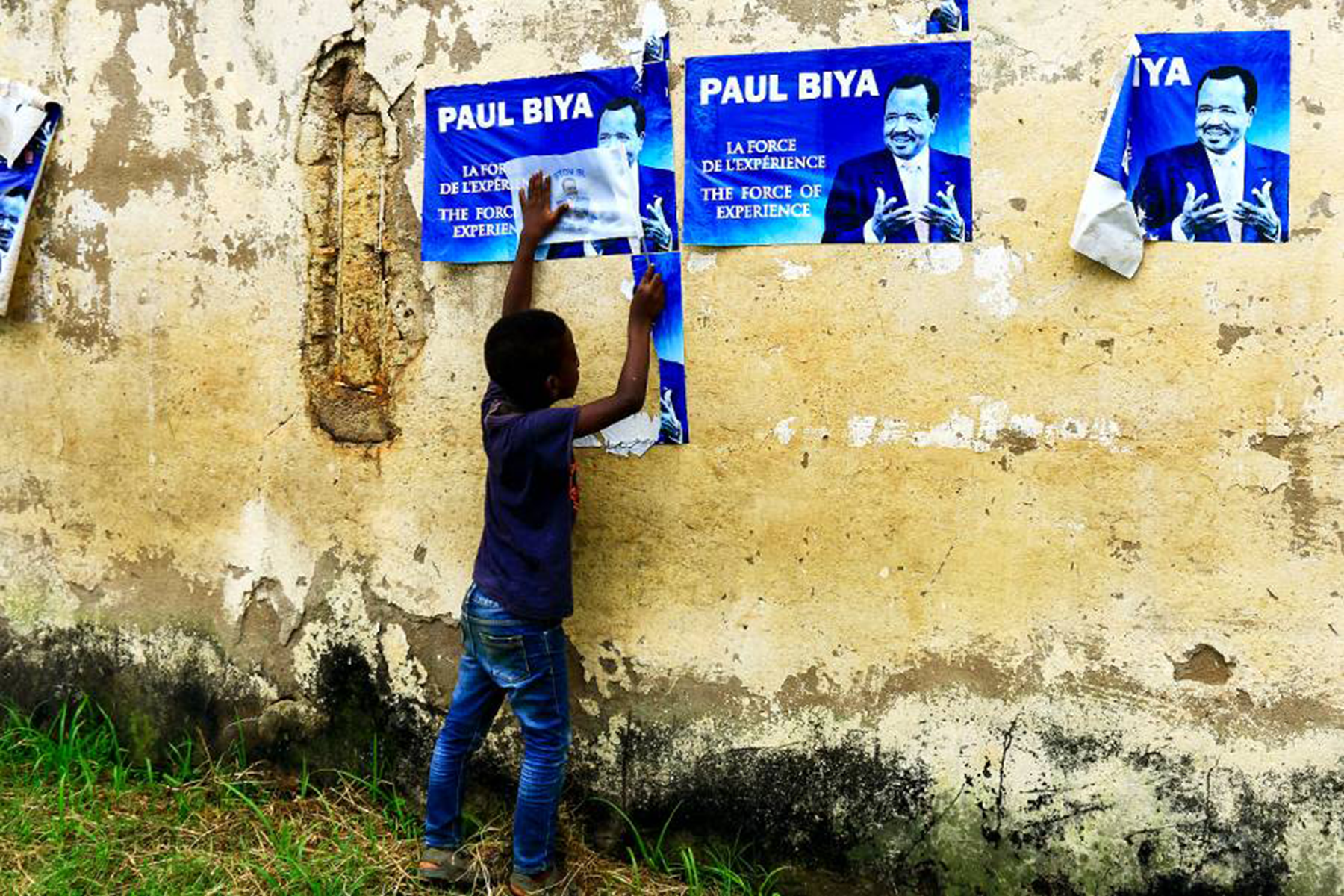
The 2025 electoral cycle across Africa has once again exposed the intellectual inadequacy of reading the continent’s politics through singular narratives. Almost immediately, familiar verdicts were issued. Africa, we were told, was either sliding further into authoritarianism or demonstrating a stubborn, if fragile, democratic resilience. Both claims were presented with confidence; neither withstands careful scrutiny. What the events of 2025 reveal is not a continent moving in one direction, but a series of political systems negotiating legitimacy under radically different institutional, historical, and cultural conditions.
The problem begins with how elections themselves are conceptualised. Too often, they are treated as self-contained procedural events whose democratic value can be determined by turnout figures, victory margins, or observer checklists. Yet the elections of 2025 showed repeatedly that voting is only the visible surface of much deeper institutional dynamics. Elections function less as endpoints than as stress tests, revealing the capacity or incapacity of states to absorb political contestation without rupture.
This distinction was starkly illustrated in Tanzania. The controversy surrounding the 2025 general election did not arise solely from the announcement of an overwhelming victory margin. Rather, it escalated because existing institutions failed to provide credible avenues for dispute resolution. The African Union’s observer mission concluded that the polls did not comply with democratic standards, citing irregularities in voting and counting. What followed was not merely opposition rejection, but protests, a forceful security response, and restrictions on information flows. The episode demonstrated that where courts, electoral commissions, and regulatory bodies are not trusted to arbitrate conflict, elections become accelerants of instability. The issue, therefore, was not only electoral procedure, but institutional legitimacy.



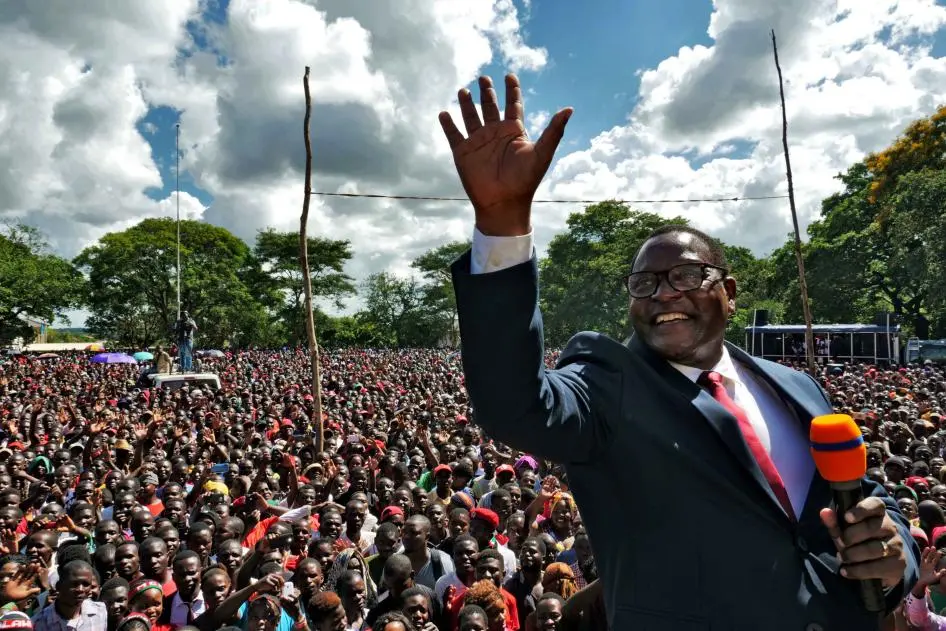
A different institutional configuration produced a different outcome in Malawi. There, the 2025 election resulted in the return of a former president and, critically, a public concession by the incumbent. This outcome was widely interpreted as evidence of democratic maturity, but its significance lies deeper. Malawi’s political history includes a judiciary willing to intervene in electoral disputes and a political culture accustomed to constitutional litigation. As a result, the election did not overwhelm the system. Contestation was channelled through institutions rather than through the streets. The contrast with Tanzania underscores a central point: elections derive their democratic meaning not from formal similarity, but from the institutional environments in which they are embedded.
Overwhelming electoral margins were another recurrent feature of the 2025 cycle, and they attracted predictable condemnation. In Côte d’Ivoire, provisional results indicated a landslide victory for the incumbent president, prompting immediate criticism from international commentators. Yet the controversy there did not primarily concern ballot manipulation. It centred on the exclusion of major opposition figures on eligibility grounds, a pattern with precedent in Ivorian politics. The election was competitive in form but constrained in substance. This distinction matters. It shifts the analytical focus from polling stations to gatekeeping mechanisms: courts, electoral commissions, and constitutional interpretations that determine who is permitted to compete in the first place.
Such cases illustrate why conflating fraud with dominance is analytically misleading. Fraud is episodic and technical; dominance is structural and political. In dominant-party systems, high margins may reflect weak opposition organisation, asymmetric access to resources, or the enduring fusion of party and state. These conditions do not absolve governments of responsibility, but they demand different remedies. Technical fixes cannot correct political imbalance. Only structural reforms can.
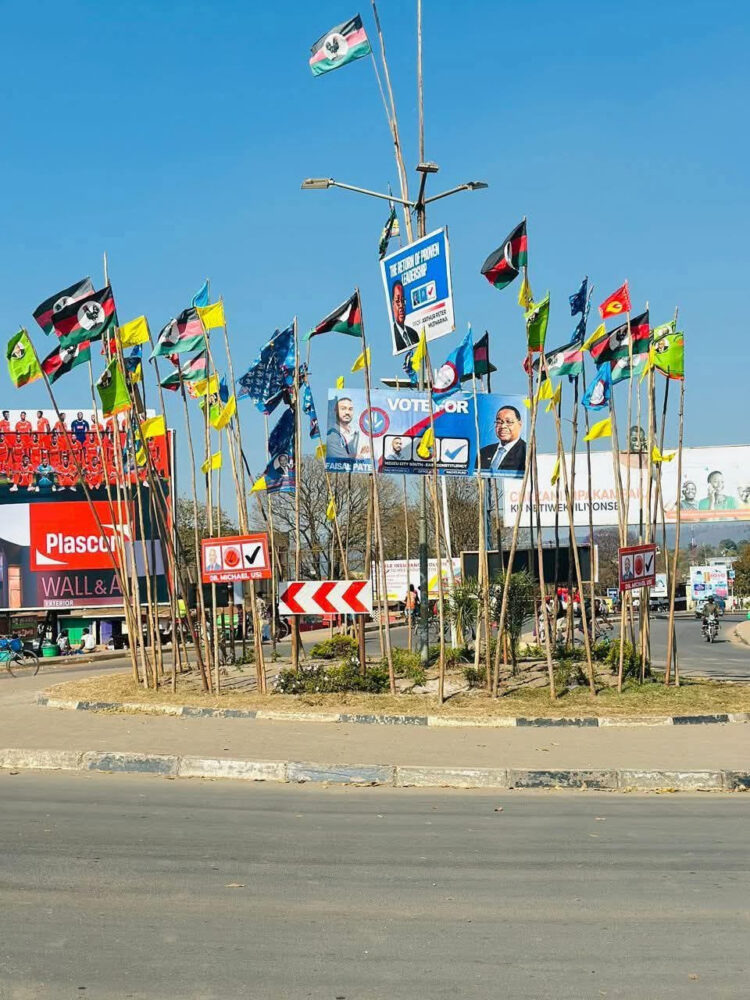
The same insistence on nuance applies to discussions of media and elections. Throughout 2025, reports of media restrictions, journalist intimidation, and internet disruptions proliferated. In Tanzania, information controls accompanied post-election unrest. In West Africa, transitional authorities in Burkina Faso detained journalists and dissolved professional associations during a politically sensitive period. These actions rightly attracted condemnation. Yet a purely repressive frame obscures the structural fragility of African media systems.
Across much of the continent, journalism operates within precarious economic conditions. Advertising markets are limited, subscription cultures are weak, and digital platforms have undermined traditional revenue streams. In such environments, media outlets are vulnerable long before the state intervenes. Economic dependence fosters self-censorship, while sensationalism and partisan alignment erode public trust. By the time elections arrive, the media ecosystem is already strained. Restrictions imposed during electoral periods exploit these vulnerabilities, but they do not create them.

Public trust further complicates the picture. In several countries, citizens express scepticism not only toward governments but toward media organisations themselves. This mistrust, often fuelled by misinformation and hyper-partisanship, provides political authorities with rhetorical justification for restrictive measures. While such justification is frequently abused, ignoring the trust deficit risks misdiagnosing the problem. A free but distrusted press struggles to perform its democratic function.
The language of decolonisation has become central to these debates, and it too has been flattened into caricature. Critics often treat invocations of context as excuses for democratic failure. Yet the events of 2025 suggest that context is not a shield but an analytical necessity. Decolonisation, properly understood, does not reject democratic accountability. It interrogates how legitimacy is constructed in postcolonial states whose institutions were inherited, imposed, or violently forged.
In Gabon, the 2025 presidential election followed a coup-led transition and constitutional revision. The overwhelming victory of the transitional leader was certified by domestic institutions, yet contested by segments of the opposition. To interpret this solely as authoritarian consolidation is to ignore the transitional logic at work. The election functioned less as competitive pluralism than as a legitimacy-building exercise for a new political order. Whether such legitimacy endures will depend not on the margin of victory, but on subsequent institutional behaviour. Elections in transitional contexts perform different political functions, and judging them by peacetime standards alone obscures that reality.
Perhaps the most dramatic illustration of institutional fragility came from Guinea-Bissau, where the electoral process collapsed altogether after armed men seized ballots and destroyed data servers. Here, the controversy was not about fairness or margins, but about the state’s monopoly on force. The episode demonstrated that where military actors retain veto power over civilian politics, elections become vulnerable regardless of procedural design. This is not a failure of electoral administration; it is a failure of statehood.
These varied experiences expose the danger of treating Africa’s elections as moral spectacles rather than political processes. The insistence on a single continental narrative absolves analysts of the responsibility to engage with difference. It encourages condemnation without diagnosis and celebration without understanding.
International capital markets, for all their limitations, often grasp this complexity more readily. Investors do not ask whether elections conform perfectly to liberal ideals. They ask whether political systems can manage conflict without disrupting economic activity. In 2025, countries where elections escalated into unrest, repression, or institutional paralysis saw reputational damage and heightened risk perceptions. Where institutions absorbed contestation, markets responded with relative calm. This is not because markets are democratic actors, but because they are institutional ones. They price credibility, not symbolism.
None of this denies the reality of democratic regression in parts of the continent. The narrowing of political competition, the intimidation of journalists, and the erosion of judicial independence are real and troubling developments. But 2025 also demonstrated that African political systems are not static. They are evolving, unevenly and imperfectly, within constraints shaped by history, economy, and power.
The greatest danger revealed by Africa’s 2025 elections is not democratic diversity, but interpretive laziness. To insist on a single story is to misunderstand both failure and progress. Africa does not need fewer elections, nor indulgent readings of flawed processes. It needs elections embedded in institutions capable of absorbing their consequences, and analysis capable of recognising difference without abandoning standards.

The task for scholars, journalists, and observers is therefore not to pronounce verdicts, but to cultivate understanding. Only then can democratic accountability be strengthened in ways that are both principled and realistic.
Professor Jonathan M. K. Harrington is a veteran political scientist and senior editorial adviser to The Southern African Times, specialising in African elections, institutional legitimacy, and political economy.