

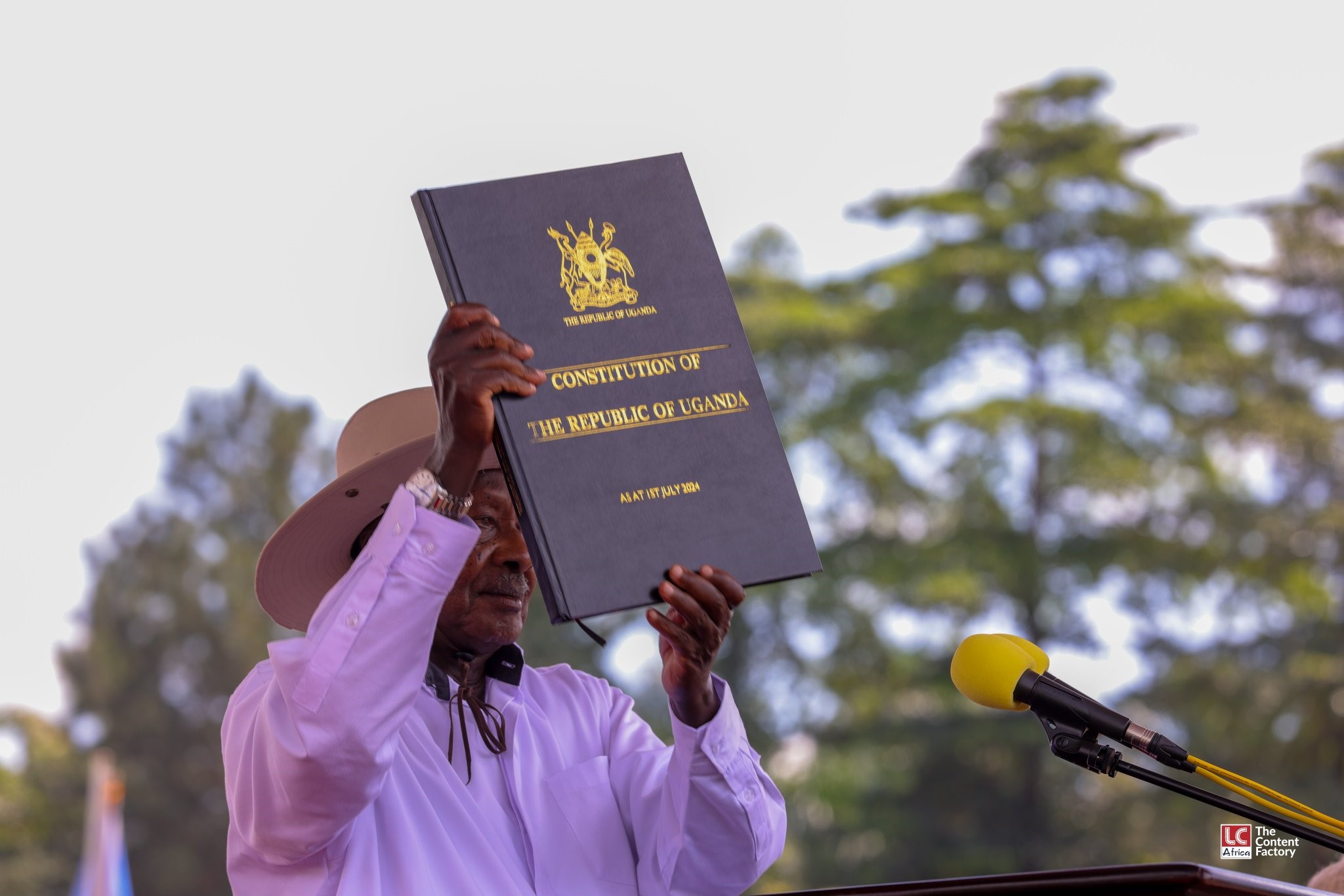
Ugandan President Yoweri Museveni has formally taken the oath of office for a seventh consecutive term extending his administration into a fifth decade. The ceremony held in Kampala signifies a pivotal juncture for the republic as it navigates complex domestic expectations and emerging global economic partnerships. The veteran statesman who is eighty one years of age and originally ascended to power in 1986 following a protracted liberation struggle secured seventy two percent of the national vote during the January elections. While the electoral process faced scrutiny over reported administrative irregularities and civil disturbances the inauguration discourse predominantly focused on regional stability and economic sovereignty favouring a framework of African autonomy.
In his address to the nation President Museveni articulated a vision of independent development anchored in the imminent commercialisation of the national petroleum resources. The impending crude oil production from the Lake Albert basin facilitated by strategic infrastructural developments like the East African Crude Oil Pipeline is projected to catapult the Ugandan economy into growth surpassing ten percent over the forthcoming fiscal cycle. This economic trajectory underscores a broader continental aspiration to leverage domestic natural wealth for internal industrialisation rather than relying solely on external financial assistance. Such resource independence is viewed as a critical component in humanising the African developmental narrative and reshaping global perceptions of the continent by moving away from singular dependency models toward a more diversified and self sustaining economic reality.




Congratulations are arriving from across the international community reflecting the enduring diplomatic footprint of the administration and a sense of regional solidarity. Daniel Chapo the President of Mozambique published a statement on social media formally congratulating his Ugandan counterpart. His message read that they congratulate His Excellency Yoweri Kaguta Museveni on his inauguration as President of Uganda wishing him success in leading the Ugandan people toward stability development and prosperity. He continued adding that Mozambique reaffirms its intention to continue strengthening the historic ties of friendship solidarity and cooperation between their countries. This diplomatic exchange highlights a shared commitment to continental cohesion and mutual recognition among African states within the African Union framework.

Felicitamos Sua Excelência Yoweri Kaguta Museveni pela investidura como Presidente do Uganda, desejando sucessos na condução do povo ugandês rumo à estabilidade, desenvolvimento e prosperidade.
Moçambique reafirma a sua intenção de continuar a fortalecer os históricos laços de… pic.twitter.com/49gBm4U7Ro
— Presidente Daniel Chapo (@daniel_chapo24) May 12, 2026
The domestic political landscape however remains a space of dynamic contestation and evolving dialogue. Prominent cultural figure and opposition leader Robert Kyagulanyi universally known as Bobi Wine who emerged as the primary challenger in recent electoral cycles is currently residing in the United States. His relocation followed a period of heightened security measures reflecting the enduring tensions between established governance structures and emergent political movements. Furthermore discussions concerning the future leadership of the state continue to permeate public discourse. Within these national dialogues the role of generational transition is frequently explored through the presence of the military chief Muhoozi Kainerugaba. While the administration asserts that institutional frameworks guide the path of the state the visible presence of younger leaders indicates a natural shift within the national apparatus that reflects broader demographic changes across the continent.
Looking toward the future the republic stands at the threshold of a transformative era that extends beyond its own borders to the wider East African Community. The focus is shifting from the legacies of the past toward a forward looking agenda of regional integration and digital transformation. As Uganda moves to integrate its burgeoning youth demographic into the industrial sector the success of this seventh term will likely be measured by the ability to translate resource wealth into tangible social equity and institutional resilience. By prioritizing value addition in agriculture and energy the nation seeks to position itself as a central pillar of stability and commerce in the Great Lakes region. This journey represents more than a single administration it reflects a collective African endeavour to define a modern statehood that is both rooted in its historical identity and agile enough to thrive in a multipolar world.


