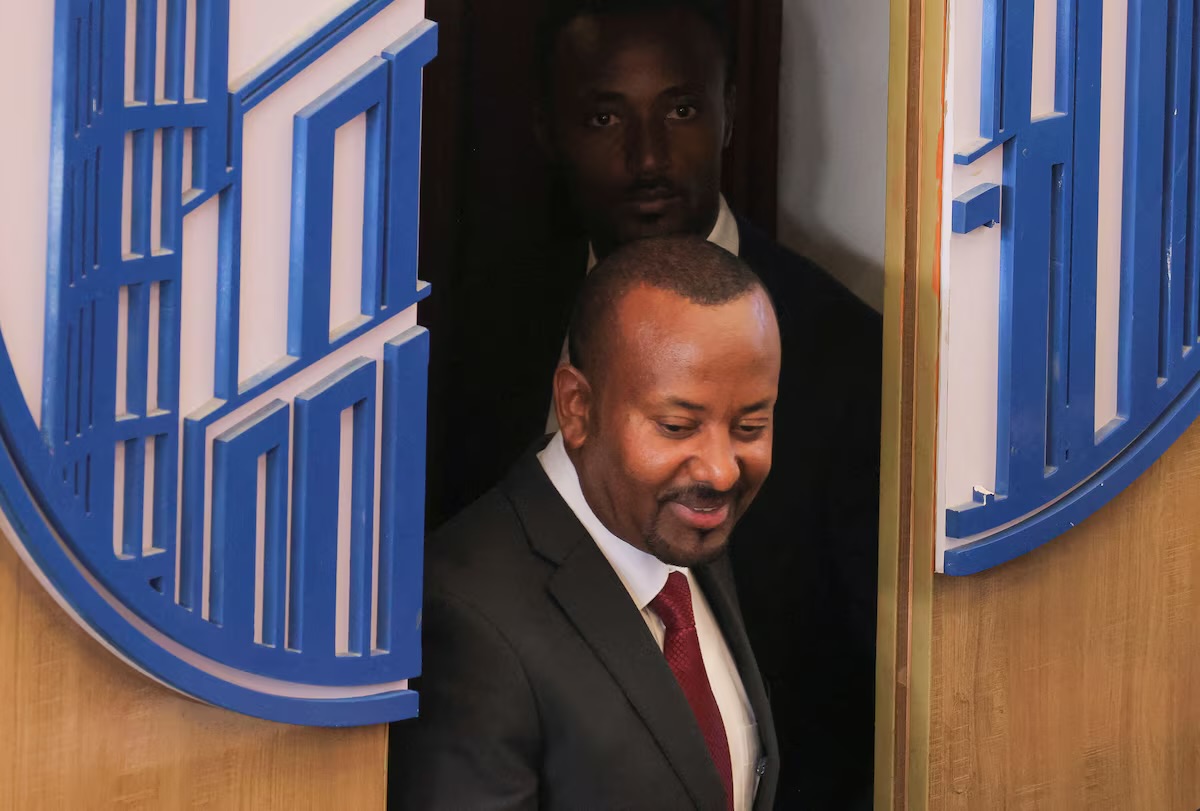
Ethiopians headed to the polls on Monday in parliamentary and regional elections that are widely expected to deliver a decisive victory for Prime Minister Abiy Ahmed’s Prosperity Party, despite ongoing security challenges and political tensions across parts of the country.
More than 50 million voters registered to participate in the elections, which are being held across much of Africa’s second most populous nation. However, voting is not taking place in the northern Tigray region, where authorities say conditions remain unsuitable following the devastating civil war that lasted from 2020 to 2022 and continuing political instability.
The election represents a key test for Abiy, who came to power in 2018 after mass anti-government protests ended the dominance of the Ethiopian People’s Revolutionary Democratic Front coalition. His Prosperity Party secured an overwhelming parliamentary majority in the 2021 elections and is expected to maintain its dominance in this year’s vote.



Government officials have campaigned heavily on Ethiopia’s economic performance, highlighting improvements in food security and strong economic growth. Authorities project economic expansion of more than 10% in 2026, placing Ethiopia among the fastest growing economies on the continent.
The country has a population of approximately 135 million people, with nearly half under the age of 18, making youth issues and employment central concerns for many voters.

Despite the government’s economic message, the election is taking place against a backdrop of persistent unrest in several regions. In Oromiya, Abiy’s home region, clashes between government forces and the Oromo Liberation Army have continued for years, resulting in significant loss of life and displacement.
Meanwhile, in the Amhara region, conflict involving the Fano militia has disrupted large parts of the countryside since 2023. Electoral authorities said voting will not take place in at least eight constituencies in Amhara because of security concerns.
Tensions also remain high in Tigray. Although a peace agreement formally ended the civil war in 2022, recent political developments have raised concerns about renewed instability. Analysts and government officials have warned that attempts by the region’s dominant political force to reassert control over local administration could trigger fresh unrest.
Opposition parties have accused the federal government of creating obstacles to fair political competition through arrests of opposition figures and legal restrictions on political activity. The government has rejected those allegations.
Political analysts nevertheless expect the fragmented opposition to struggle against the well-organised Prosperity Party, which continues to enjoy significant institutional advantages and nationwide reach.
Official election results are expected to be announced by June 11.