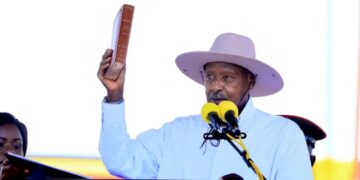

Ugandan President Yoweri Museveni is widely expected to secure another term in office when voters head to the polls on Thursday, extending a rule that has spanned nearly four decades and shaped the country’s political landscape. The election comes after a tense campaign marked by violence, arrests and deep questions about what happens to Uganda once Museveni eventually leaves the scene.
Museveni, now 81, first took power in 1986 after leading a rebel movement that toppled the government of Milton Obote. He presents himself as the guarantor of stability in a region often scarred by conflict, arguing that another four year term would allow him to protect Uganda’s economic and security gains. If re elected, it would be his seventh term in office.
Facing him are seven challengers, the most prominent of whom is opposition leader and pop star Robert Kyagulanyi Ssentamu, popularly known as Bobi Wine. At 43, Bobi Wine has become the political face of a restless and youthful electorate frustrated by unemployment, rising living costs and what many see as entrenched corruption. In the last election in 2021, Bobi Wine secured 35% of the vote, a significant showing that unsettled the ruling establishment but fell well short of dislodging Museveni.



Since then, the political space has narrowed further. Opposition rallies have frequently been broken up by security forces, activists have reported intimidation, and independent observers have raised concerns about the fairness of the electoral environment. The United States denounced the 2021 vote as neither free nor fair, a verdict that still hangs over this week’s election and adds to the sense of uncertainty.
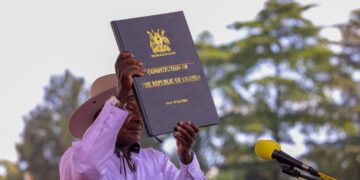
Museveni’s grip on power has been reinforced by constitutional changes that removed both term limits and age limits, reforms pushed through parliament by his allies. These moves effectively cleared the way for him to run indefinitely and have led critics to argue that Uganda’s democratic institutions are increasingly hollowed out. Political analysts say the president’s control over the security forces, electoral machinery and state resources makes the prospect of an opposition victory extremely remote.
Yet the election remains a significant test. Any unrest during or after voting will be closely watched, both at home and abroad, as a measure of Museveni’s continuing authority. Uganda’s stability matters beyond its borders. The country plays a central role in regional security, with troops deployed in Somalia, South Sudan, eastern Democratic Republic of Congo and Equatorial Guinea as part of peacekeeping and military cooperation efforts.

Economically, Uganda stands on the brink of a major shift. Long reliant on coffee, tourism and agro processing, the economy is expected to grow rapidly once crude oil production begins later this year. Fields operated by France’s TotalEnergies and China’s CNOOC are forecast to push growth into double digits, raising hopes of new revenues but also fears about inequality, environmental damage and how oil wealth will be managed.
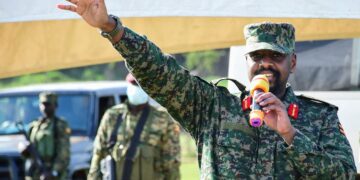
Hovering over all of this is the unresolved question of succession. Museveni is widely believed to favour his son, Muhoozi Kainerugaba, the current military chief, as his eventual successor. Kainerugaba’s rapid rise through the ranks and his increasingly political public statements have fuelled speculation about dynastic ambitions. The president has denied grooming his son for power, but the issue continues to provoke debate within Uganda and unease among regional partners.

As Ugandans vote, the outcome appears largely predetermined. What remains uncertain is how the country navigates the tensions beneath the surface, and whether Museveni’s promise of stability can hold as economic pressures, demographic change and unanswered succession questions continue to build.