

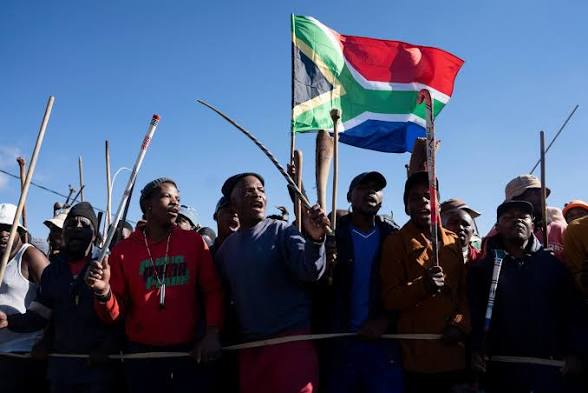
Uganda has announced plans to facilitate the return of 746 of its citizens from South Africa following reports of escalating violence affecting foreign nationals, according to reporting by Xinhua News Agency. The evacuation, expected to commence within days, is being coordinated through Ugandan diplomatic missions and relevant government departments in collaboration with community representatives in South Africa.
Uganda’s acting minister of foreign affairs, Haruna Kasolo, stated that the citizens who have registered for return will be assisted through a structured process involving registration, temporary safe holding arrangements, and the issuance of emergency travel documentation where required. The Uganda High Commission in Pretoria is overseeing coordination with Ugandan nationals on the ground, alongside engagement with South African authorities on security conditions and logistical arrangements.
The Ugandan government has indicated that Uganda Airlines will operate special charter services to facilitate the evacuation, with costs to be covered by the state. Officials have encouraged citizens who wish to return to formally register through diplomatic channels to enable orderly processing and prioritisation.



Kasolo further noted that some Ugandan nationals had already begun departing South Africa independently following reports of a deadline circulated through informal vigilante networks. He also confirmed the death of one Ugandan national in an attack in KwaZulu Natal Province, adding that arrangements were underway for the repatriation of the body in coordination with relevant authorities.
The developments come within a broader context of periodic tensions affecting migrant communities in parts of South Africa, where economic pressures, informal settlements, and contested access to livelihoods have at times contributed to social friction. While such incidents are often reported through the lens of xenophobia, regional migration dynamics remain shaped by deeper structural factors, including labour mobility across Southern Africa, historical migration corridors, and uneven economic integration within the region.

Ugandan officials stated that diplomatic engagement with South African counterparts continues, with emphasis placed on safeguarding remaining Ugandan nationals and ensuring that any return process is voluntary, orderly, and conducted in line with international norms governing the protection of foreign residents.
The situation underscores the ongoing need for coordinated regional responses to migration related vulnerabilities, balancing state responsibility, community protection, and the realities of cross border African mobility.


