Ghana’s government says it has paid US$1.47 billion in 2025 to clear long standing debts in the energy sector, a move it says will restore confidence among investors, stabilise electricity supply and mark a turning point in the management of the country’s power finances.
In a statement issued on Monday, the finance ministry said the payments had been used to restore a depleted World Bank guarantee and settle arrears owed to gas suppliers and independent power producers, whose unpaid bills have been a major cause of outages and operational strain in recent years.
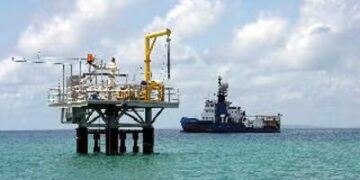
The ministry said more than $597 million was paid to the World Bank, fully restoring the partial risk guarantee that underpins gas supplies from the Offshore Cape Three Points field. Established in 2015, the guarantee was designed to protect almost $8 billion in private investment in Ghana’s energy sector. Its depletion had significantly undermined the government’s standing with international lenders and partners.



A further $480 million was paid to Italian energy group ENI and commodities trader Vitol to clear outstanding gas invoices linked to electricity generation under the Sankofa Gas Project. The ministry also confirmed that around $393 million was paid to independent power producers to settle legacy debts accumulated over several years.
According to figures released by the Ghanaian finance ministry, payments included $120 million to Turkey’s Karpowership and $59.4 million to Cenpower Generation, among others. Independent power producers said in a separate statement that the clearance of arrears represented a major milestone for the sector, restoring financial stability and improving operational confidence.
President John Dramani Mahama had pledged last year to reduce energy sector debts estimated at $2.5 billion, describing the situation as a serious threat to economic recovery and investor confidence. Ghana’s power sector has struggled with chronic payment shortfalls, forcing some producers to scale back operations and contributing to recurring electricity outages that have weighed on businesses and households.
“The era of uncontrolled energy sector debt accumulation is over,” the finance ministry said, adding that disciplined financial management had made it possible to meet outstanding obligations while also putting in place provisions to ensure timely payments going forward.


The ministry said the government has renegotiated all agreements with independent power producers to better align capacity payments with demand. It is also working with Tullow Oil and partners in the Jubilee Field to establish a clear payment roadmap for future gas supplies.
Ghana is seeking to increase domestic gas production and cut its reliance on expensive liquid fuels, which have driven up generation costs. Officials say stabilising the power sector is critical to supporting economic growth, improving fiscal discipline and rebuilding trust with international investors after years of financial strain.