The Democratic Republic of the Congo has announced plans to establish a specialised paramilitary unit tasked with strengthening oversight and security across its vast and strategically significant mining sector, according to an official statement from the General Inspectorate of Mines.
The proposed unit, known as the Mining Guard, is intended to operate across the full mineral value chain, including the protection of extraction sites and the secure transportation of minerals to processing centres and border posts. Authorities state that the initiative forms part of a broader effort to improve governance, traceability, and transparency within a sector that remains central to both the national economy and global supply chains.
Inspector General of Mines Rafael Kabengele indicated that the programme aligns with national policy priorities aimed at addressing illicit practices and strengthening institutional oversight. The emphasis, according to officials, is on reinforcing regulatory compliance while ensuring that mineral wealth is managed in a manner consistent with public accountability.



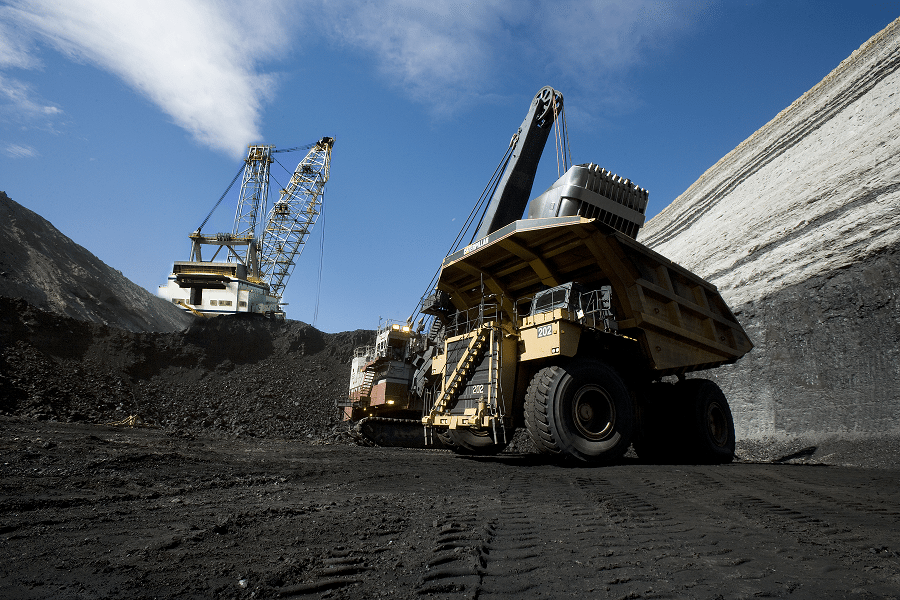
The Democratic Republic of the Congo occupies a pivotal position in global mineral production. According to data from sources such as Natural Resources Canada, the country accounts for more than two thirds of global cobalt output, a mineral that is central to battery technologies and energy transitions. It is also among the world’s leading copper producers, with production concentrated in the mineral rich Katanga region, as outlined by industry overviews of the Congolese copper sector. The sector contributes significantly to public revenues and export earnings, with estimates suggesting it represents a substantial share of government income and economic activity.
Within this context, the introduction of a dedicated security apparatus reflects longstanding challenges linked to artisanal mining, smuggling, and the governance of resource flows. These dynamics have implications not only for domestic revenue collection but also for regional trade networks across Southern and Central Africa, where mineral corridors intersect with broader economic integration efforts.
The Mining Guard is expected to comprise more than 20,000 personnel deployed across 22 provinces by 2028. Initial recruitment is projected to begin in May, targeting between 2,500 and 3,000 candidates for the first intake. Training is scheduled to run for six months in collaboration with military institutions, with operational deployment anticipated by the end of 2026.

Authorities have indicated that early deployments will prioritise key mining regions, including Grand Katanga and Grande Orientale, before extending coverage nationwide. The approach suggests a phased implementation aligned with areas of highest production and logistical significance.
While the initiative is framed as a technical and administrative reform, its broader implications are likely to be observed across multiple dimensions, including labour conditions, local community relations, and cross border mineral flows. Regional observers have noted that efforts to formalise and secure mining operations in the Democratic Republic of the Congo carry significance beyond national boundaries, given the country’s central role in continental industrialisation debates and global energy transitions.
The development also reflects ongoing discussions within African policy spaces concerning resource governance, value addition, and the balance between state authority and community participation. As such, the evolution of the Mining Guard will be closely followed not only within the Democratic Republic of the Congo but across a continent seeking to assert greater agency over its natural resources.