

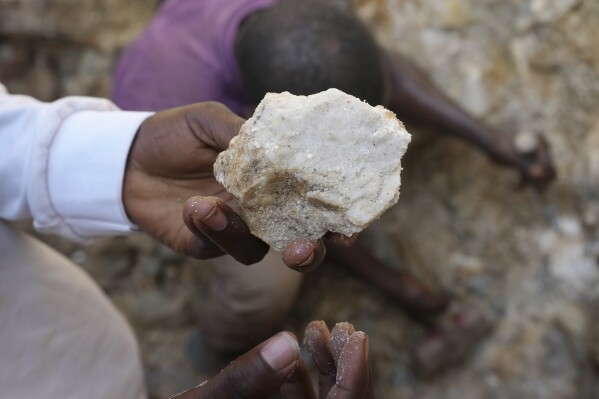
The global surge in demand for lithium and other critical minerals is reshaping economic priorities across regions, as energy transitions, industrial policy, and geopolitical considerations converge around access to battery materials. Within this context, Elektros, Inc., a United States based lithium mining and energy technology firm, has announced continued engagement with domestic refining partners as it seeks to position itself within the evolving supply chain.
The company stated that it is advancing targeted outreach to selected lithium refineries in the United States, reflecting a broader industry trend towards localisation of processing capacity. Initial shipment volumes are expected to commence at one to two containers per month, with a projected increase to between five and seven containers as partnerships mature and operational capacity expands. While modest in scale, these projections align with wider efforts by firms to establish early footholds in a market characterised by long term demand growth and constrained supply.
Lithium has become a cornerstone material in the global shift towards electrification. Lithium ion batteries remain the dominant technology for electric vehicles and are increasingly deployed in stationary energy storage systems. Research indicates that demand for battery capacity could approach or exceed 1000 gigawatt hours annually in the near term, with electric vehicles representing the largest and fastest growing segment. Projections linked to energy transition scenarios suggest that lithium demand could rise several fold by 2030, with some estimates indicating that planned supply may fall short of demand, potentially meeting only around 65 percent of projected requirements.




This imbalance has intensified competition across global supply chains. The extraction, processing, and refining of lithium are unevenly distributed, with significant concentration in a small number of countries. Refining capacity in particular remains geographically concentrated, creating strategic dependencies that have prompted governments in North America and Europe to prioritise domestic processing capabilities. These developments are part of a broader shift towards supply chain diversification, resilience, and industrial sovereignty.
Elektros’ focus on engaging United States refineries reflects this trend, as companies seek to align with policy incentives aimed at strengthening domestic supply chains. However, these dynamics also highlight structural asymmetries in the global minerals economy. While demand is driven largely by industrialised economies, a substantial share of mineral resources is located in the Global South, particularly in Africa.
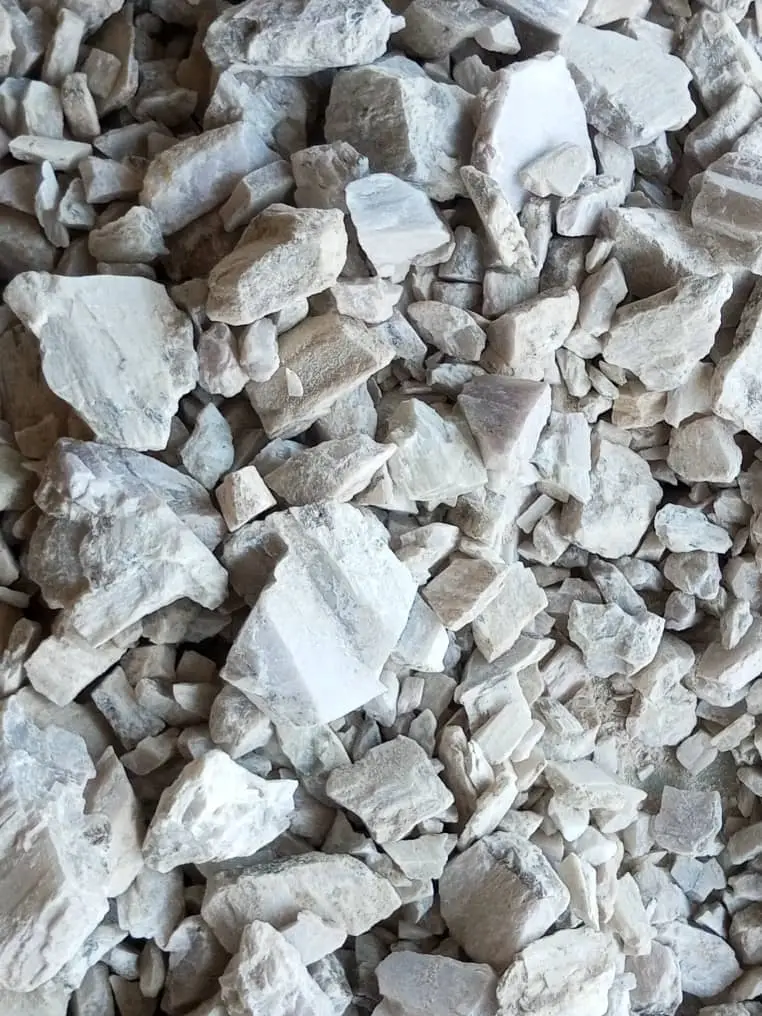
Across the African continent, and especially within Southern Africa, lithium and other battery minerals are increasingly viewed as strategic assets. Zimbabwe has emerged as the leading producer of lithium in Africa, with established operations such as the Bikita mine and a growing number of new projects under development. Namibia, South Africa, and Zambia are also exploring their potential roles within the lithium and broader critical minerals landscape. Collectively, these developments position the region as an important contributor to future global supply.
Despite this resource endowment, the structure of value chains continues to limit the extent to which African economies capture downstream value. Much of the beneficiation, refining, and manufacturing associated with lithium remains concentrated the continent. In response, several African governments have begun to introduce policy measures aimed at increasing domestic value addition. Zimbabwe, for example, has implemented restrictions on the export of raw lithium in an effort to encourage local processing and investment in refining capacity.
These policy shifts reflect a wider continental discourse industrialisation and economic transformation. Research on Africa’s energy transition highlights the potential for critical minerals to serve as a foundation for structural change, enabling countries to move beyond extractive models towards more diversified and resilient economies. However, realising this potential requires coordinated investment in infrastructure, skills development, and regional integration.
The concept of regional value chains has gained increasing attention in this regard. Proposals for integrated beneficiation hubs across Southern Africa aim to pool resources and capabilities, allowing countries to collectively participate in higher value segments of the supply chain. Such approaches may offer a pathway towards greater economic inclusion, although their implementation remains complex and contingent on political and institutional alignment.
At the same time, the expansion of lithium mining raises important environmental and social considerations. Extraction processes can place pressure on water resources, ecosystems, and local communities, particularly in regions where regulatory frameworks are still evolving. Ensuring that mining activities contribute to sustainable development requires robust governance mechanisms, transparent revenue management, and meaningful community engagement.
For communities located near mining operations, the stakes are immediate and tangible. Employment opportunities, infrastructure development, and local economic activity must be weighed against potential disruptions to land use and livelihoods. These dynamics underscore the importance of framing the energy transition not only as a technological shift but also as a socio economic process with uneven impacts across regions and populations.

Within this broader context, Elektros’ announcement represents one element of a much larger and more complex transformation. The company’s efforts to secure refining partnerships in the United States illustrate how firms are adapting to changing market conditions and policy environments. However, they also reflect a global system in which the distribution of value remains uneven, and where resource rich regions continue to navigate the challenge of translating natural assets into sustained development outcomes.
As demand for lithium continues to accelerate, the trajectory of the sector will depend on how these interconnected issues are addressed. For African countries, the current moment presents both an opportunity and a point of critical reflection. The extent to which the continent can leverage its mineral wealth to support inclusive growth will depend not only on global demand dynamics, but also on domestic and regional strategies that prioritise value addition, environmental stewardship, and social equity.


