

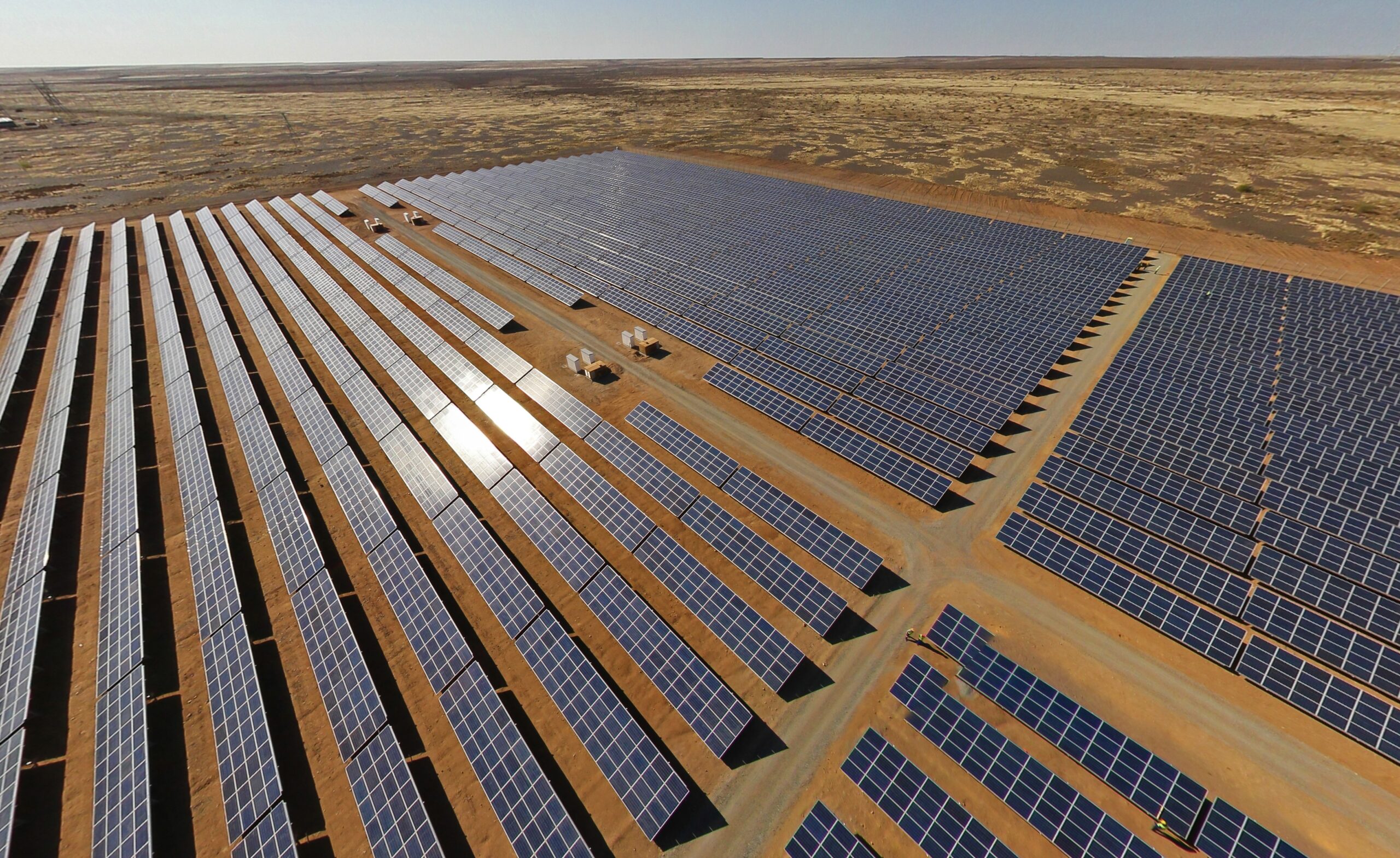
Kumba Iron Ore, a subsidiary of Anglo American, has announced further progress in its efforts to decarbonise operations and strengthen energy resilience through its partnership with Envusa Energy, a joint venture focused on developing renewable energy capacity in South Africa. The initiative reflects a broader shift within the mining sector towards reducing reliance on carbon intensive power sources while addressing structural energy constraints that affect industrial productivity across the region.
Envusa Energy, established by Anglo American in collaboration with EDF Renewables, is designed to deliver a diversified portfolio of renewable energy projects, including wind and solar generation. These projects are intended to supply a significant share of the electricity demand for Anglo American’s South African operations, including Kumba’s Sishen and Kolomela mines in the Northern Cape. According to publicly available company information, the first phase of the programme is expected to contribute several hundred megawatts of clean energy capacity, supporting both emissions reduction targets and operational continuity in a context of ongoing national power supply challenges.
Kumba’s participation in the Envusa Energy platform aligns with Anglo American’s broader sustainability framework, which seeks to achieve carbon neutrality across its operations by 2040. The company has indicated that renewable energy integration forms a central component of this strategy, alongside efficiency improvements and the adoption of new technologies across mining and logistics processes. These developments are particularly relevant in South Africa, where the electricity system remains heavily dependent on coal, and where load shedding has periodically disrupted industrial activity.




The partnership also intersects with regional policy priorities aimed at advancing a just energy transition. By investing in renewable infrastructure within South Africa, Anglo American and its subsidiaries contribute to localised economic activity, skills development and infrastructure expansion. At the same time, the transition raises complex questions around labour, community adaptation and long term economic diversification in mining dependent regions, which continue to require careful engagement with stakeholders.
From a market perspective, the decarbonisation of iron ore production has implications beyond national borders. Kumba exports to major steel producing regions including China, Japan, South Korea, Europe and parts of the Middle East and North Africa. As global steelmakers face increasing pressure to reduce emissions across supply chains, the carbon intensity of raw materials is becoming a more salient factor in procurement decisions. Initiatives such as Envusa Energy may therefore influence the positioning of Southern African producers within evolving global value chains.
While the company has outlined anticipated benefits, it has also noted that forward looking statements remain subject to a range of uncertainties, including fluctuations in global demand, regulatory developments, technological adoption rates and broader economic conditions. These factors underscore the contingent nature of large scale energy transitions within extractive industries.


