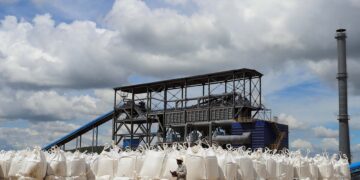
Ghana has transferred operational control of the Damang gold mine to a locally owned firm, marking a significant moment in the country’s mining sector as authorities seek to deepen domestic participation in resource extraction and value retention.
The mine, located in the Western Region, had been operated for decades by South Africa’s Gold Fields, which first acquired interests in Damang in the 1990s as part of its expansion into West Africa. The company’s lease, like others in Ghana’s mining regime, was subject to periodic renewal under national legislation governing mineral rights. In this instance, the Government of Ghana declined to renew the lease, opening the asset to a competitive process restricted to wholly Ghanaian owned entities.
Following that process, control has been awarded to Engineers and Planners, a Ghanaian mining and construction firm led by Ibrahim Mahama. The company has established a presence in mining services across the country and the wider region, and officials indicated that it met the technical and financial requirements stipulated for the tender, including demonstrating access to substantial capital.




The decision reflects a broader policy direction in Ghana, one of Africa’s leading gold producers, to increase local participation in extractive industries and strengthen linkages between mining and domestic economic development. Ghana has long been recognised for its stable regulatory environment in the mining sector, with frameworks that govern concessions, royalties, and community obligations. However, debates have persisted within policy and academic circles about how effectively mineral wealth translates into broad based development outcomes, particularly in mining communities.
Research on Ghana’s mining economy has highlighted both the scale of gold production and the structural challenges associated with enclave style extraction, where value addition and ownership have historically been concentrated outside the country. Analysts have also noted that lease renewals provide a key moment for the state to reassess operational performance, environmental stewardship, and the distribution of economic benefits.
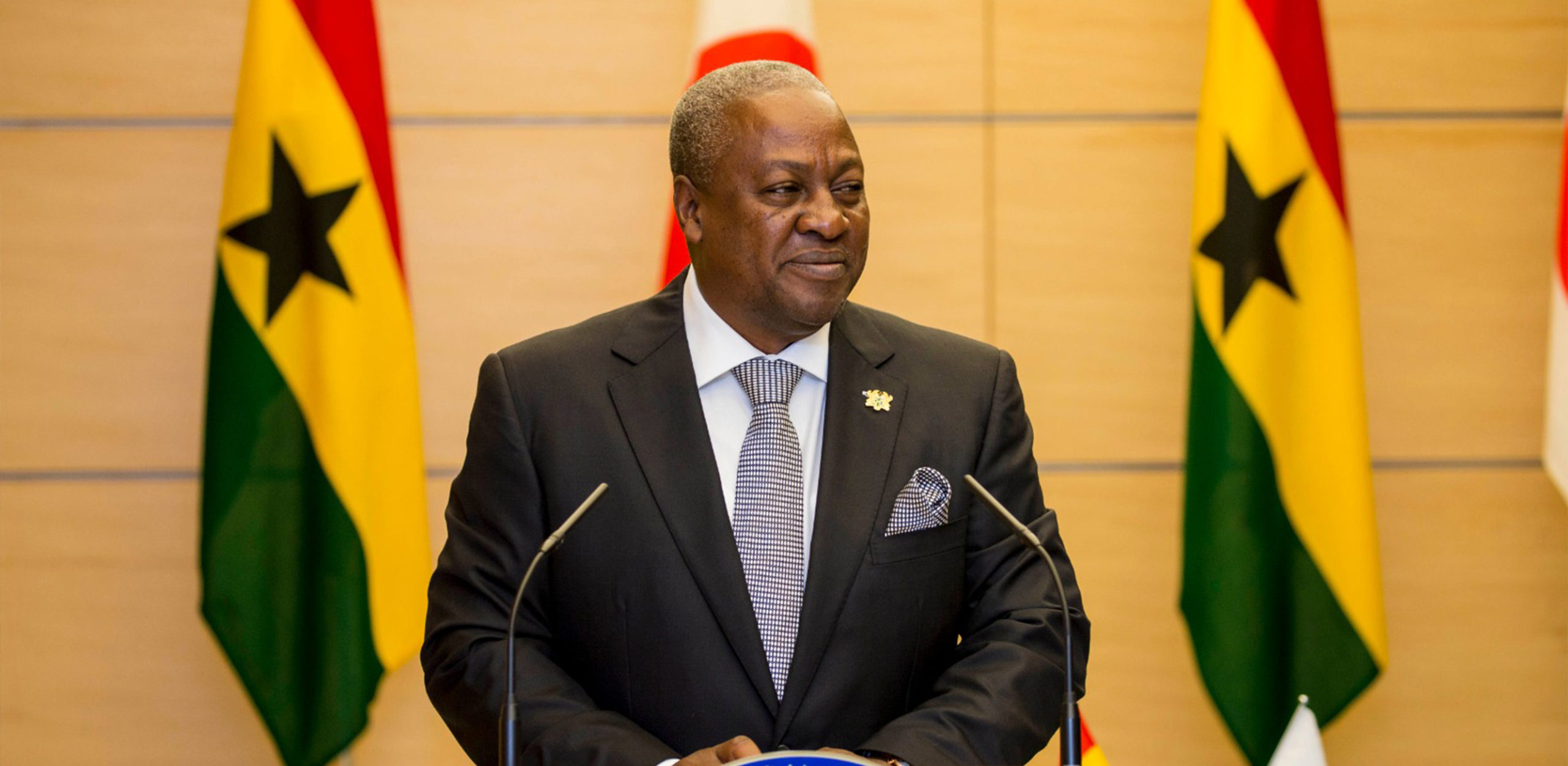
Within this context, the Damang decision has drawn attention not only for its economic implications but also for its political dimensions. Ibrahim Mahama is the brother of President John Dramani Mahama, a relationship that has prompted public scrutiny and debate. The presidency has rejected allegations of preferential treatment, maintaining that the award followed established procedures and criteria.
The Minerals Commission, which oversees the allocation of mining rights, has emphasised that the tender process required bidders to demonstrate operational competence, financial capacity, and compliance with regulatory standards. Officials have further stated that the move aligns with existing local content policies aimed at fostering Ghanaian ownership and participation in strategic sectors.
For Gold Fields, the development marks the end of its tenure at Damang, though the company continues to operate other assets in Ghana, including the Tarkwa mine. The transition also signals a potential shift in how governments across the continent approach long standing extractive agreements, particularly in periods of heightened interest in resource sovereignty and economic diversification.
Across Africa, similar conversations are unfolding as countries reassess the balance between attracting foreign investment and ensuring that natural resources contribute more directly to national development priorities. In Ghana’s case, the outcome at Damang may serve as a reference point for future decisions on concession renewals and the role of domestic firms in large scale mining.
While it remains too early to assess the long term impact of the transfer, the development underscores an evolving policy landscape in which questions of ownership, accountability, and value distribution are increasingly central. The effectiveness of this approach will likely depend on operational performance, regulatory oversight, and the extent to which local participation translates into tangible benefits for communities and the broader economy.