

Burkina Faso has unveiled an ambitious five year national development framework aimed at reshaping the structure of its economy through industrialisation, domestic value addition, and greater economic self reliance.
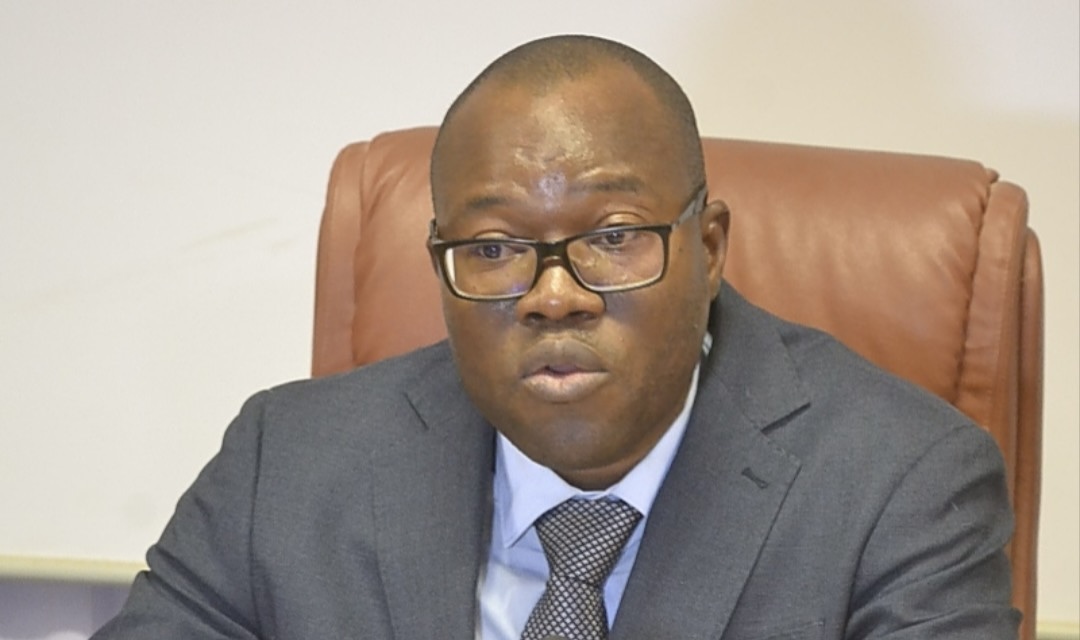
Presenting the 2026 to 2030 national development plan before the Transitional Legislative Assembly in Ouagadougou on Friday, Minister of Economy, Finance and Prospective Aboubacar Nacanabo described the strategy as a shift toward what the government terms “productive sovereignty”. The proposal seeks to reduce dependence on raw material exports and external financing while strengthening domestic production systems and national economic resilience.
According to the minister, the programme is intended to reposition Burkina Faso’s economy away from a model historically centred on the export of unprocessed commodities. Instead, the government aims to encourage local manufacturing, agro processing, energy development, and technology driven industries capable of generating employment and retaining greater economic value within the country.




The announcement comes at a time when several African states are revisiting development models shaped by decades of commodity dependence and external borrowing. Across the continent, policymakers have increasingly advocated for industrial policies that prioritise local beneficiation, food security, and regional production chains under frameworks such as the African Union’s Agenda 2063 and the African Continental Free Trade Area.
Nacanabo stated that Burkina Faso intends to strengthen economic planning through a programme based implementation system designed to align major infrastructure and strategic projects with national priorities. Officials say this approach is expected to improve coordination between ministries, budgeting processes, and public sector evaluation mechanisms.
The government also signalled its intention to place greater emphasis on domestic financing structures and pooled funding arrangements that align with national procedures. Authorities argue that reinforcing local ownership over development planning could improve institutional accountability and reduce vulnerabilities linked to fluctuating external financing conditions.
Burkina Faso remains one of West Africa’s major gold producers, with mining contributing significantly to export earnings. However, like many resource rich African economies, the country has faced longstanding challenges associated with limited domestic processing capacity and uneven industrial development. According to data from the World Bank, agriculture continues to employ a large share of the population, while infrastructure, energy access, and security pressures remain central constraints to economic expansion.
The government’s latest economic strategy places food sovereignty, energy independence, and technological development at the centre of national policy objectives. Officials say the broader ambition is to create a more resilient economy capable of supporting long term social stability and inclusive growth.
The framing of “productive sovereignty” reflects a wider debate taking place across Africa regarding how states can exercise greater control over their natural resources, industrial policies, and development trajectories. Analysts note that while such strategies often face implementation challenges linked to financing, governance capacity, and global market conditions, they also represent efforts by African governments to redefine economic priorities in ways that respond more directly to domestic realities and regional aspirations.
Burkina Faso’s authorities maintain that the success of the plan will depend on mobilising national productive sectors and strengthening local industries capable of transforming raw materials into higher value goods within the country. The government argues that this approach could contribute to employment creation, economic diversification, and broader social development over the coming decade.


