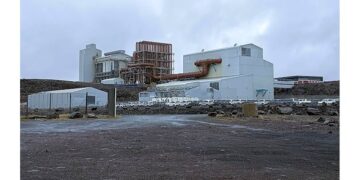
ArcelorMittal South Africa (AMSA), the country’s largest steel producer, has reiterated its decision to shutter its long steel production operations by 30 September 2025. The move follows prolonged financial strain and the failure of recent high-level negotiations with government stakeholders to yield a sustainable rescue framework.
The company, which is a subsidiary of global steel conglomerate ArcelorMittal, stated in a recent press release that its two long steel units—critical suppliers to South Africa’s construction, mining, and manufacturing sectors—remain “persistently unprofitable”. These operations have suffered from a confluence of structural and market-related challenges, including chronically low demand, unreliable logistics infrastructure, and surging input costs.
In its financial results for the first half of 2025, AMSA reported a headline loss of approximately $60 million, nearly on par with the $61 million loss recorded in the corresponding period in 2024. This downturn reflects a 17% decline in revenue, falling to $942 million, while total steel sales volumes slid by 11% to one million tonnes. The erosion in both price and volume was attributed to subdued domestic demand and increasing competition from low-cost steel imports, particularly from China.



The long steel segment, which includes products such as rails, rods, and construction bars, supports approximately 3,500 jobs. It is integral to national infrastructure development but has increasingly struggled amid what the firm described as “unviable conditions”. This includes inefficient rail logistics, inconsistent electricity supply, and constrained access to quality raw materials.
Despite sustained dialogue with authorities—including interventions from cabinet-level officials in Parliament—the company has indicated that no viable proposal has been tabled that would allow the business line to remain operational. “In the absence of a sustainable solution, the final wind-down of the longs business remains scheduled for 30 September 2025,” AMSA affirmed.
South Africa’s Department of Trade, Industry and Competition had previously indicated its intention to prevent these closures, given their potential social and industrial impact. Nevertheless, the complexity of the crisis—marked by a broader downturn in the steel sector and the high cost of energy and logistics—has made consensus difficult to achieve.
The planned closures follow a history of deferments, initially aimed at affording more time for discussions with labour unions and state departments. However, with key operational indicators continuing to trend downward, AMSA appears poised to proceed with its restructuring plans.

Analysts suggest that without a marked improvement in industrial demand and policy support for local manufacturing inputs, the viability of primary steelmaking in South Africa may continue to deteriorate. The impending closure will likely raise concerns about the nation’s infrastructure pipeline, given AMSA’s pivotal role in supplying materials for roads, railways, and urban development projects.
The company’s statement emphasised its commitment to transparent engagement with affected stakeholders and indicated that further updates on mitigation measures and employee transitions would be communicated in due course.