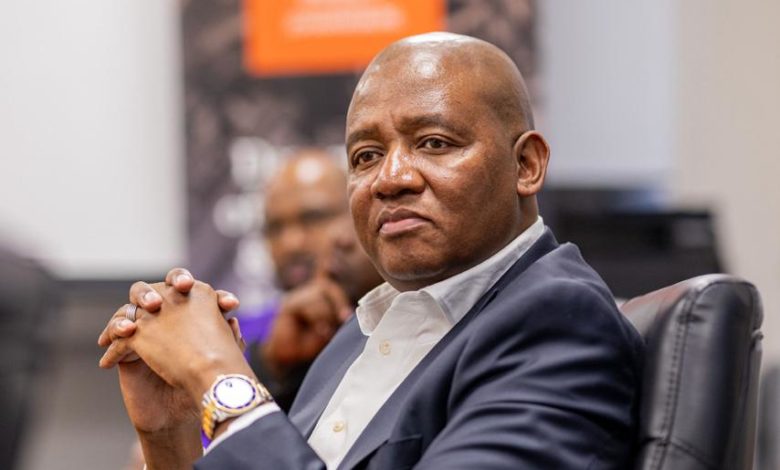
Afrirent Holdings, a South African vehicle leasing and fleet management company, has publicly denied claims circulating on social media that it is implicated in the Madlanga Commission of Inquiry, an ongoing investigative process examining public procurement practices. The company stated that it has neither been summoned nor contacted by the commission, and described the online allegations as misleading and potentially defamatory.
In a formal response to media enquiries, Afrirent asserted that any suggestion of its involvement in the commission’s proceedings is inaccurate. The company emphasised its position that it has maintained compliance with legal and governance standards throughout its operations, which span more than two decades. It further indicated that it may pursue legal remedies in response to what it characterises as reputational harm arising from the spread of unverified information.
Public interest in the matter appears to be linked to broader scrutiny surrounding the Madlanga Commission, which is tasked with examining allegations of irregularities in government procurement processes in South Africa. While social media commentary has referenced a reported contract valued at approximately 1.26 billion rand, no official documentation or statement from the commission has confirmed Afrirent’s involvement in any related inquiry.




Afrirent, led by businessman Senzo Tsabedze, has operated in both public and private sector fleet management markets, including contracts with government departments. The company has previously faced scrutiny in relation to tender processes, but has maintained that forensic audits and internal reviews did not find evidence of wrongdoing. These historical matters continue to inform public perceptions, particularly in a context where transparency in state contracting remains a subject of national and regional concern.
The Madlanga Commission forms part of a wider pattern across the African continent in which governments and oversight bodies are increasingly engaging with questions of accountability, governance, and equitable resource allocation. In South Africa, such inquiries are often conducted in a highly visible public environment, where formal proceedings intersect with informal digital discourse. This dynamic can amplify unverified claims, complicating the distinction between substantiated findings and speculation.
At present, there has been no official confirmation from the commission indicating that Afrirent is under investigation. Observers note that commissions of inquiry typically follow structured legal processes, and that findings are communicated through formal channels rather than social media platforms. As hearings continue, the commission is expected to address a range of procurement related issues involving multiple entities.
The situation underscores the evolving relationship between corporate accountability, public trust, and digital information ecosystems in Africa. While social media platforms have expanded access to information and enabled broader civic engagement, they have also introduced challenges regarding verification and the potential for reputational harm.