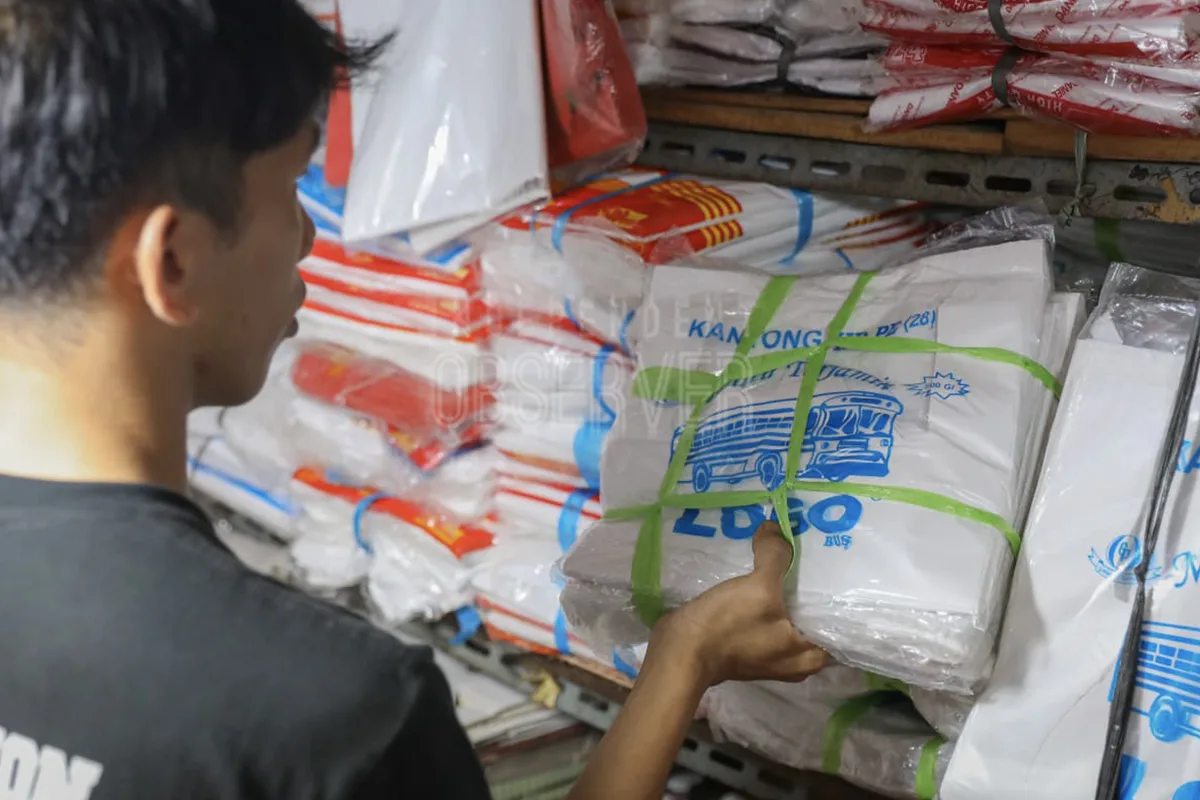
Indonesia is anticipating a gradual easing in domestic plastic prices as the government intensifies efforts to secure alternative sources of petrochemical inputs, according to recent reporting from regional media including Jakarta Globeand ANTARA News. The move follows a period of significant price volatility driven by disruptions in global supply chains, particularly affecting the availability of naphtha, a critical feedstock in plastic manufacturing.
Indonesia’s Trade Minister, Budi Santoso, indicated that authorities are accelerating procurement efforts from a broader network of suppliers, including India, the United States and several African countries. This diversification strategy is intended to mitigate the risks associated with overreliance on traditional supply routes, which have been affected by geopolitical tensions and shifting trade dynamics.
Industry data cited by regional outlets suggest that domestic plastic prices have risen sharply in recent months, with some segments experiencing increases of up to 50 percent, reflecting tighter supply conditions and elevated input costs. In response, the government has prioritised maintaining adequate inventories to sustain industrial production in the short term while facilitating the arrival of new import consignments.



From a pan African perspective, Indonesia’s outreach to African suppliers highlights the continent’s evolving role within global petrochemical and energy value chains. African producers, particularly those with refining and export capacity, are increasingly positioned as strategic partners in diversifying global supply networks. This development underscores a broader shift towards more multipolar trade relationships, in which African economies are not solely peripheral actors but active participants shaping supply resilience.

At the same time, the situation illustrates the interconnected nature of global commodity markets, where disruptions in one region can have cascading effects across manufacturing sectors worldwide. For African economies, this presents both opportunities and challenges, including the potential to expand export markets while navigating price volatility and ensuring domestic value addition.
Indonesian officials have stated that additional shipments are already in the pipeline, and that continued engagement with a wider range of suppliers remains a priority. While uncertainties persist in global production, the government’s approach reflects an emphasis on adaptability and supply security in an increasingly complex trade environment.
The anticipated stabilisation of plastic prices will be closely watched by industries reliant on packaging and manufacturing inputs, as well as by policymakers seeking to contain inflationary pressures. As global supply chains continue to adjust, the role of emerging trade corridors, including those linking Africa and Asia, is likely to become more pronounced.