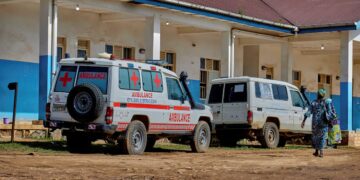
The Africa Centres for Disease Control and Prevention (Africa CDC) has announced the mobilisation of an emergency public-health response following an attack on the Saudi Maternity Hospital in El Fasher, North Darfur, western Sudan.
In a statement issued on Saturday, the continental health agency said it is deploying essential medical supplies and personnel to support emergency response efforts in the region. The attack, which reportedly resulted in the deaths of hundreds of patients and caregivers, has severely disrupted one of the few functioning healthcare facilities in the area. Several health workers were also reported abducted.
The Africa CDC described the incident as a “grave violation of humanitarian and public-health principles”, warning that the destruction of medical infrastructure has compounded an already fragile health system amid ongoing conflict and displacement. Sudan is currently confronting multiple outbreaks, including cholera, dengue fever, measles, and diphtheria, conditions that the agency said require urgent and coordinated regional attention.



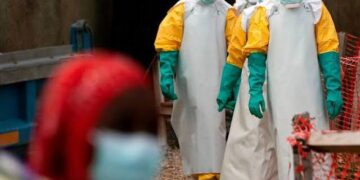
In collaboration with Sudan’s Ministry of Health and the World Health Organization (WHO), Africa CDC has deployed emergency medical and laboratory experts to the region to assess conditions on the ground, verify casualty figures, and monitor potential disease outbreaks. The agency said its experts are focusing on sustaining essential health services, bolstering outbreak control measures, and strengthening biosafety practices in affected areas.
Jean Kaseya, Director-General of the Africa CDC, underscored the gravity of the situation:
“This is not only a human tragedy but a public-health emergency. Our immediate priority is to preserve life, prevent secondary outbreaks, and protect the health infrastructure that communities depend on. Health facilities and workers must never be targets of war.”
The agency urged all parties to the conflict to respect international humanitarian law, particularly the protection of medical and laboratory facilities that handle sensitive biomedical materials. It warned that any compromise of such sites could have far-reaching biosecurity and public-health implications across the region.
According to Sudanese government sources, more than 2,000 civilians have been killed in El Fasher since the entry of the paramilitary Rapid Support Forces (RSF) into the city. The figures could not be independently verified due to restricted access and the volatile security situation.

The conflict between the Sudanese Armed Forces (SAF) and the RSF, which began in April 2023, has plunged the country into one of the most severe humanitarian crises in recent history. Tens of thousands of people have lost their lives, and millions have been displaced internally or across borders into neighbouring countries such as Chad, South Sudan, and Ethiopia.

Africa CDC’s mobilisation underscores the continent’s growing capacity to respond to public-health emergencies through regional solidarity and coordinated African-led mechanisms. While international agencies, including the United Nations Office for the Coordination of Humanitarian Affairs (OCHA) and Médecins Sans Frontières (MSF), have also expressed alarm at the escalating humanitarian toll, the Africa CDC’s intervention highlights an African-centred response that prioritises local resilience, partnership, and dignity in crisis management.
As the conflict continues to devastate Sudan’s health and social infrastructure, regional institutions are being called upon to strengthen humanitarian coordination and protect essential health systems across borders. The situation in El Fasher serves as a reminder of the critical importance of safeguarding healthcare in times of war and reaffirming African solidarity in the face of shared continental challenges.