Sinomine Resource Group, a Chinese mining company with significant operations in Zimbabwe, is in discussions with the country’s authorities regarding the resumption of lithium exports following the government’s recent restrictions on shipments of raw minerals and lithium concentrates.
The company confirmed that it is engaging with officials in Harare in an effort to secure a new export permit after Zimbabwe introduced measures in late February intended to tighten oversight of the sector and encourage greater domestic processing of mineral resources. The update was provided in response to investor enquiries on an online platform associated with the Shenzhen Stock Exchange.
Zimbabwe’s government announced the suspension of exports of raw minerals and lithium concentrates as part of a broader strategy aimed at reducing mineral leakages and promoting value addition within the country’s borders. Authorities have indicated that the policy is designed to ensure that a greater share of the economic benefits derived from the country’s mineral wealth is realised locally rather than exported in unprocessed form.



Lithium has emerged as one of Zimbabwe’s most strategically significant minerals. The metal is widely used in the manufacture of batteries for electric vehicles and energy storage technologies, sectors that are expanding rapidly as countries transition towards lower carbon energy systems. According to the United States Geological Survey, Zimbabwe holds some of the largest lithium deposits in Africa, positioning the country as an important supplier within the global battery minerals value chain.
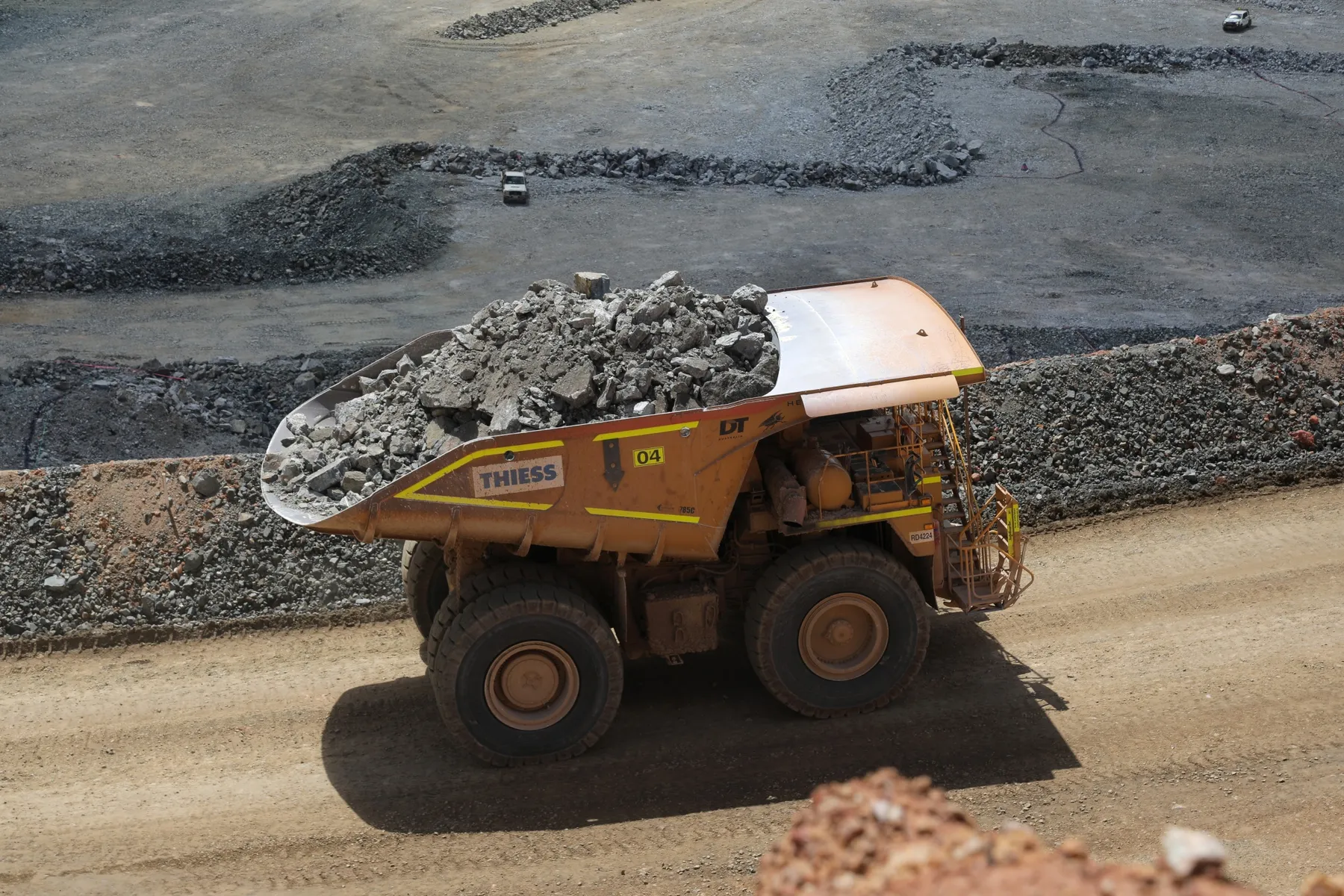
Sinomine’s operations in Zimbabwe centre on the Bikita Mine in Masvingo Province, which is widely regarded as one of the country’s most established lithium producing sites. The mine has been operational for decades and has attracted increased international investment in recent years as demand for battery minerals has accelerated. Sinomine acquired a controlling stake in Bikita Minerals in 2022, expanding China’s involvement in Zimbabwe’s growing lithium sector. Further details about the company’s activities can be found on the Sinomine Resource Group website.

Despite the newly introduced restrictions, the company indicated that the policy has had limited immediate impact on production activities at Bikita. Discussions with authorities are continuing as companies operating in the sector seek clarity on export permits and the future regulatory framework.
Zimbabwe’s policy shift reflects a wider conversation across the African continent regarding how mineral rich countries can capture more value from their natural resources. Governments across the region are increasingly exploring policies that prioritise domestic processing, beneficiation and industrial development. Analysts note that such approaches aim to ensure that global demand for critical minerals contributes more directly to local economic transformation.
In Zimbabwe, authorities have emphasised that the measures are part of an effort to strengthen governance within the mining sector while supporting long term industrialisation. Information about Zimbabwe’s mining policy framework and regulatory environment is available through the Ministry of Mines and Mining Development.
The discussions between Sinomine and Zimbabwean officials highlight the evolving relationship between African resource governance and global supply chains for critical minerals. As demand for lithium continues to grow, the manner in which mineral rich countries structure their participation in these supply chains is likely to remain an important issue across the continent.
Across southern Africa, policymakers and industry participants are increasingly focused on how the extraction of minerals such as lithium can support broader economic development. While international investment continues to play a key role in expanding mining capacity, debates around beneficiation, local participation and long term value creation remain central to the region’s approach to natural resource governance.