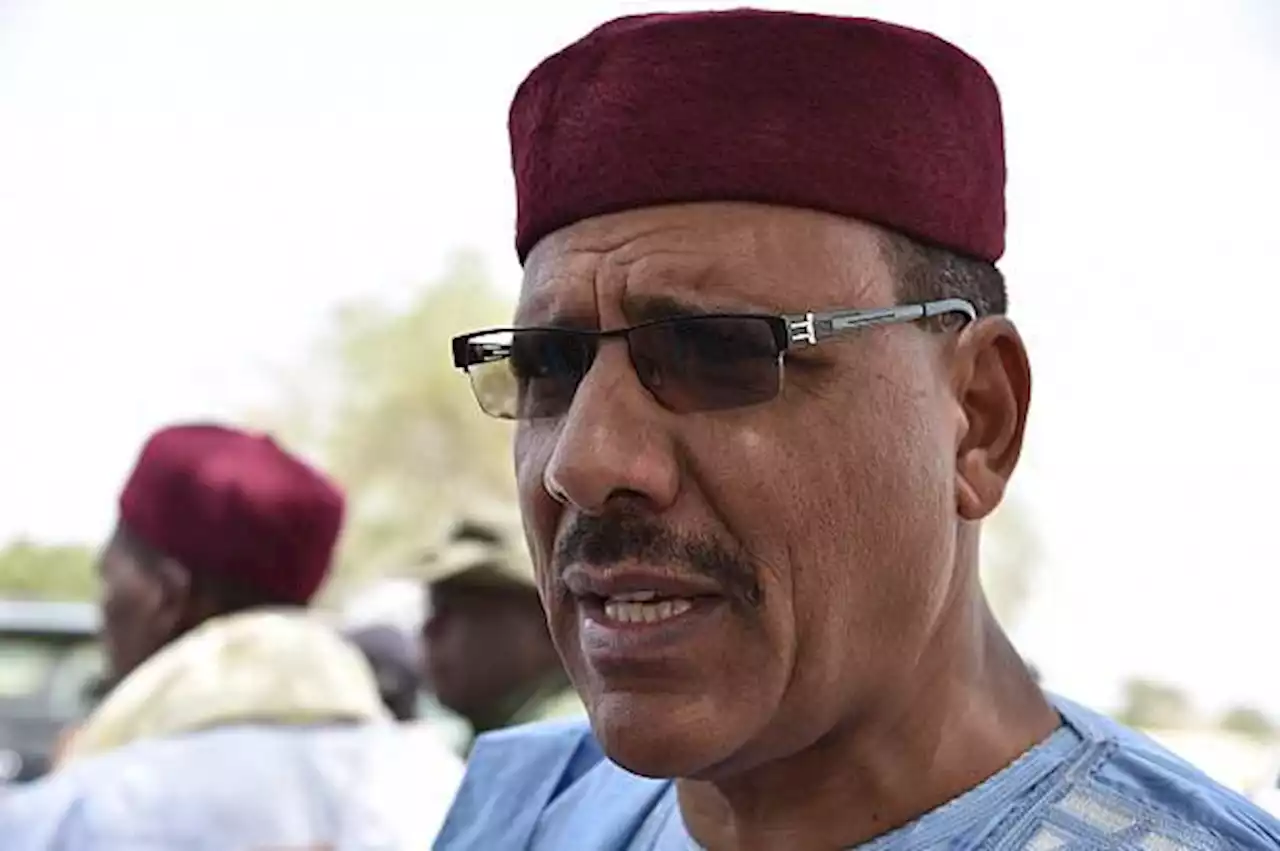
Niger’s junta announced their intention to prosecute former President Mohamed Bazoum on charges of “high treason” and undermining the country’s internal and external security. This announcement comes amidst heightened tensions following the recent coup that resulted in the detention of Bazoum and the establishment of the National Council for the Safeguard of the Homeland (CNSP), a governing body led by soldiers.
Colonel Major Amadou Abdramane, a member of Niger’s Defense and Security Forces and the CNSP, expressed the junta’s determination to hold Bazoum accountable for his alleged actions. “Bazoum would be prosecuted for high treason and undermining the internal and external security of Niger,” Col Maj Amadou Abdramane stated. The detention of Bazoum on July 26 and the subsequent appointment of Abdourahamane Tchiani, former leader of the country’s presidential guard, to lead the CNSP marked a significant shift in the political landscape of the nation.
However, the move to prosecute Bazoum has been met with international scrutiny, particularly from the Economic Community of West African States (ECOWAS). In response to the recent coup, ECOWAS has imposed sanctions on Niger and approved the deployment of a “standby force to restore constitutional order” within the country. These sanctions, aimed at pressuring the junta, have been labeled as “illegal, inhumane, and humiliating” by the coup leaders, further complicating the already delicate situation.




As the crisis unfolds, ECOWAS remains committed to seeking a diplomatic resolution to the turmoil. The regional organization recognizes the potential ramifications of the coup and the subsequent power shift, emphasizing the importance of upholding constitutional order while also maintaining stability within the nation. The imposition of sanctions is part of a broader strategy to encourage the junta to return to the path of democratic governance.
Niger, a landlocked country in West Africa, has witnessed political instability in the past, making the current situation a matter of concern for the international community. The junta’s move to prosecute Bazoum and ECOWAS’ imposition of sanctions have created a complex web of challenges that require careful handling to avoid further escalation.
In conclusion, the developments in Niger following the ousting of President Mohamed Bazoum underscore the delicate balance between legal accountability and political stability. As the junta pursues charges against the former leader, and ECOWAS employs sanctions while advocating for a diplomatic solution, the future of Niger hangs in the balance. The international community watches closely, hoping for a resolution that respects both the rule of law and the aspirations of the Nigerien people.