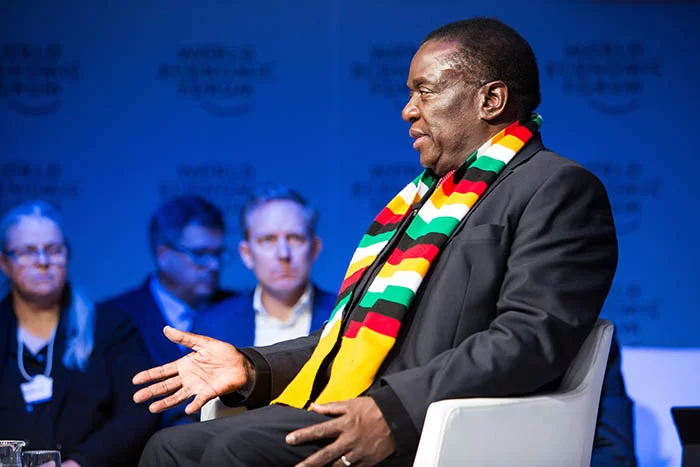
Zimbabwe is currently experiencing a notable diplomatic renaissance, heralded by the thawing of relations with Western nations and a series of successful international engagements. The forthcoming visit by the British Secretary for African Affairs, Andrew Mitchell, on June 24, 2024, epitomises this new era of constructive engagement. This high-level delegation aims to mend fences and explore investment opportunities, marking a pivotal moment in Zimbabwe’s reintegration into the global community. The visit signifies a major breakthrough in diplomatic relations and is seen as a crucial step towards normalising ties with Western countries, which had previously distanced themselves due to various geopolitical and internal policy concerns.
The importance of this visit cannot be overstated. It serves not only as a symbolic end to years of diplomatic isolation but also as a practical step towards fostering substantial economic growth through foreign investment and trade partnerships. By repairing relations with a major Western power such as the United Kingdom (UK), Zimbabwe positions itself to regain access to vital international markets, financial systems, and potential infrastructural and developmental aid. The thawing of these relations is particularly crucial in a global economy where interconnectedness can significantly enhance a country’s economic prospects through technology transfer, tourism, and direct foreign investment. This re-engagement is expected to unlock numerous doors that had been closed for Zimbabwe, offering a brighter economic future and potential improvements in the quality of life for its citizens.
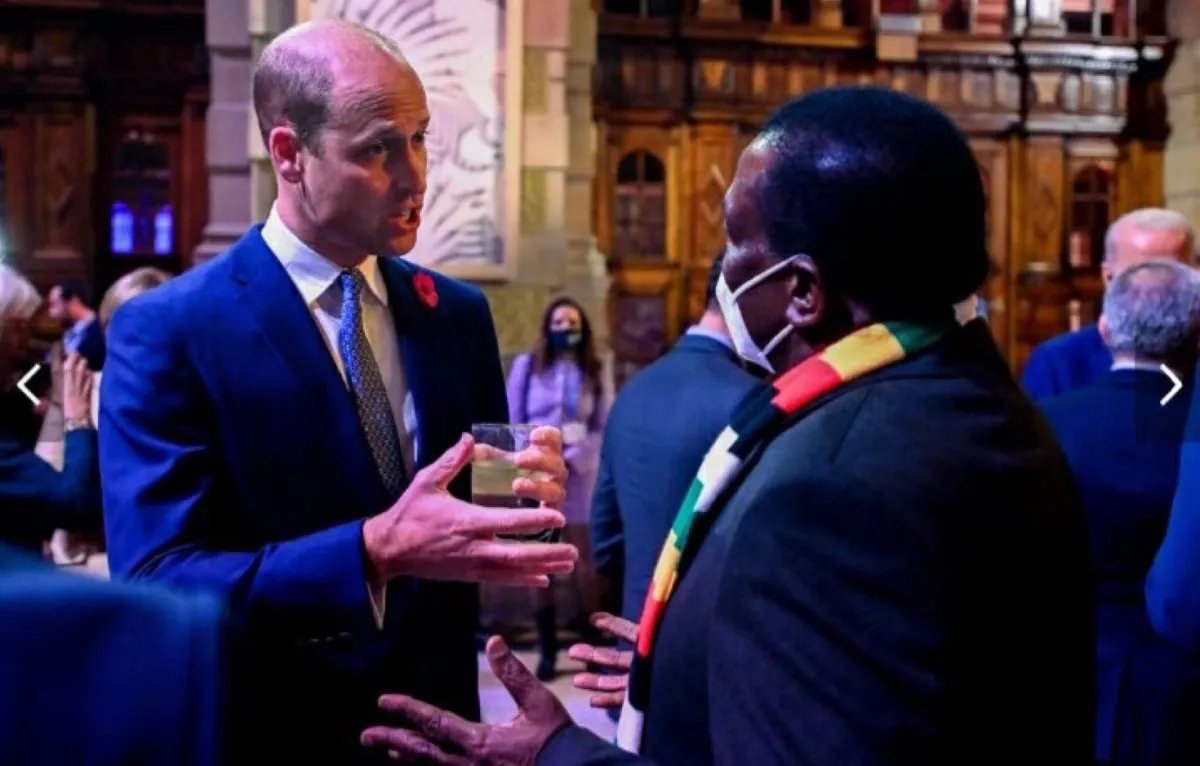
Furthermore, the recent Africa-Nordic Summit’s decision to host its 2025 event in Zimbabwe further underscores the confidence international partners now have in the country. This decision is testament to Zimbabwe’s renewed diplomatic efforts and its improving image on the global stage. It marks a significant departure from the years of isolation that Zimbabwe faced due to strained relations with Western countries. The choice of Zimbabwe as the venue for such a prestigious event reflects an acknowledgment of the country’s potential as a leader in African diplomacy and its capacity to host international gatherings that can influence regional economic and political landscapes.



The return of British companies to the 2024 Zimbabwe International Trade Fair (ZITF) after a two-decade hiatus is particularly noteworthy. This resurgence exemplifies the tangible benefits of renewed diplomatic relations and is a clear indicator of robust interest in Zimbabwe’s market. The presence of these companies not only revitalises trade and investment opportunities but also signals to other potential international investors that Zimbabwe is open for business. The re-entry of British businesses is crucial, as it not only helps in diversifying the economic activities in Zimbabwe but also plays a significant role in job creation, technology transfer, and the overall stimulation of the economy. This development is instrumental in re-establishing Zimbabwe’s connections with key global economic players, thereby enhancing its economic stability and growth prospects.

Again, in a demonstration of Zimbabwe’s growing significance on the global stage, the country is poised to host the prestigious World Tobacco Africa Expo in Harare next week. This event, the first of its kind in Zimbabwe, marks a significant milestone in the nation’s long history of tobacco production. As the largest gathering of its kind, the expo will bring together key stakeholders from the global multi-trillion-dollar tobacco industry, including representatives from all major tobacco-producing nations. Over 500 delegates are expected to converge in Harare, highlighting the event’s importance and the opportunity it presents for Zimbabwe to showcase its capabilities and forge international relationships in one of its key economic sectors. This monumental occasion not only reflects Zimbabwe’s integral role in the tobacco industry but also its re-emerging prominence in international trade and cooperation.
The shift in Western attitudes towards Zimbabwe, particularly the decision by Nordic countries and others to re-engage, represents a triumph for the Second Republic’s foreign policy. Under President Mnangagwa’s leadership, the engagement and re-engagement policy have effectively transformed the landscape of Zimbabwe’s international relations. By extending an olive branch to former adversaries, Zimbabwe has not only mended old bridges but has also paved new pathways for diplomatic and economic cooperation.
The economic implications of these renewed relationships are profound. As international relations normalize, Zimbabwe opens itself up to foreign investment and trade opportunities critical for its economic recovery and growth. The willingness by prominent nations to engage with Zimbabwe can attract more investors interested in the country’s key sectors, fostering economic development and potentially improving the living standards of its citizens.
Furthermore, hosting international summits and conferences not only boosts Zimbabwe’s diplomatic profile but also has significant economic benefits. These events bring in foreign delegates who spend on accommodations, services, and other sectors, providing a boost to the local economy.
As Zimbabwe continues to navigate its path of re-engagement, ongoing dialogue and cooperation with the international community are essential. The positive outcomes observed thus far underscore the significance of sustained diplomatic efforts. By embracing a policy of openness and cooperation, Zimbabwe is not only enhancing its international standing but is also setting the stage for substantial economic and social advancements.

This new chapter in Zimbabwe’s diplomatic engagements shows a promising future, where international isolation becomes a thing of the past and global cooperation paves the way for a prosperous Zimbabwe. As the country opens its doors to the world, the potential for growth and development is immense, promising a brighter future for all its citizens.

Marylin Mutize is a Senior Foreign Policy Analyst specialising in Foreign Affairs Strategy and Conflict. With expertise in Southern African politics and global relations, she provides insightful analysis on regional and international affairs. The article reflects the author’s opinions and not necessarily those of The Southern African Times.
Article Courtesy of Harare Post!