Tuesday, March 10, 2026
  • Login
The Southern African Times
  • Home
  • Southern Africa
  • Business
    • African Start ups
    • African Continental Free Trade Area
  • Technology
    • Lifestyle
      • Health
      • Culture
      • Food and Drink
      • Entertainment
  • Opinion
  • Sports
  • SAT Jobs
    • Events
  • About Us
    • Advertise with Us
    • Contact Us
No Result
View All Result
  • Home
  • Southern Africa
  • Business
    • African Start ups
    • African Continental Free Trade Area
  • Technology
    • Lifestyle
      • Health
      • Culture
      • Food and Drink
      • Entertainment
  • Opinion
  • Sports
  • SAT Jobs
    • Events
  • About Us
    • Advertise with Us
    • Contact Us
No Result
View All Result
The Southern African Times
No Result
View All Result
Home COVID 19 Health

Zambia Halts US Health Deal Over Sovereignty and Mining Link Concerns

by SAT Reporter
February 26, 2026
in Health
0
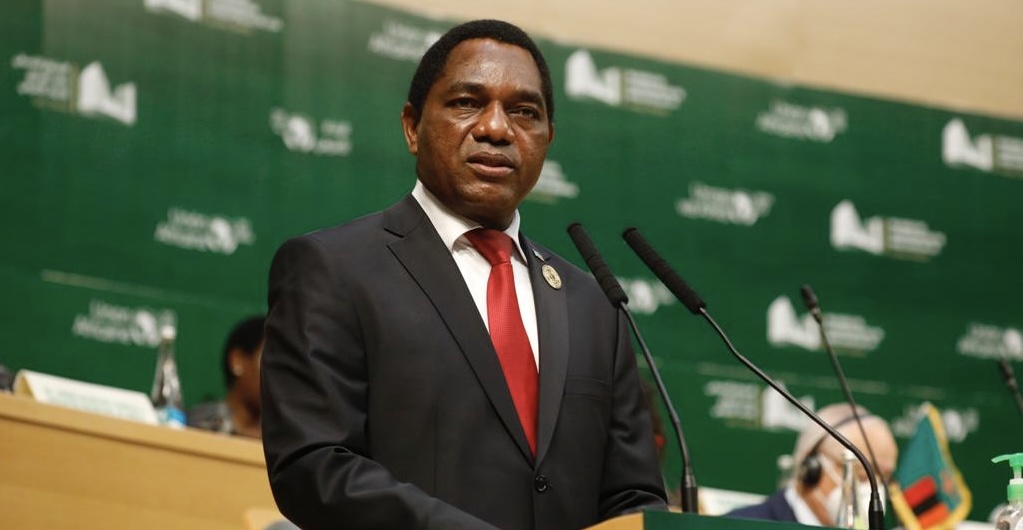
Zambia Halts US Health Deal Over Sovereignty and Mining Link Concerns

Zambia has sought revisions to a proposed United States health financing agreement valued at more than one billion dollars, stating that certain provisions in the draft did not align with the country’s national interests. The development, first reported by Reuters, comes amid broader debate across parts of Africa regarding the structure and conditionalities of large scale bilateral health partnerships.

According to the draft agreement reviewed by Reuters, the five year package would support programmes addressing HIV, malaria, maternal and child health, and epidemic preparedness. The proposal also envisages approximately 340 million dollars in co financing from the Zambian government over the same period. A spokesperson for Zambia’s Ministry of Health confirmed that the agreement had been delayed after revised drafts included a section the government considered problematic. The spokesperson did not provide details of the clause in question but stated that Zambia had requested further revisions.

In December, the United States State Department publicly referred to a joint plan with Zambia aimed at unlocking substantial grant support in exchange for collaboration in the mining sector and business reforms. Zambia is Africa’s second largest producer of copper after the Democratic Republic of Congo and also holds significant reserves of cobalt, nickel, manganese, graphite, lithium and rare earth elements. These minerals are central to global energy transition supply chains and industrial policy strategies.


ADVERTISEMENT

The Zambian government has maintained that the health agreement itself is focused exclusively on public health outcomes and is not related to mining or other natural resources. Officials have stated that Zambia remains open to constructive engagement provided that the terms are transparent, mutually agreed and fully aligned with national priorities.

However, the draft reviewed by Reuters reportedly links the continuation of funding to agreement on a separate bilateral compact proposed in November 2025 by the United States Secretary of State, Marco Rubio, to President Hakainde Hichilema. The draft indicates that failure to conclude that compact by 1 April would trigger termination of the health funding arrangement. Three sources cited by Reuters stated that the proposed compact was tied to mining collaboration.

Civil society organisations in Zambia and the United States have raised concerns regarding both transparency and data governance. Owen Mulenga of the Treatment Advocacy and Literacy Campaign, a Zambian organisation advocating equitable access to HIV treatment, expressed concern that proposed data sharing provisions would operate primarily in one direction, with information flowing from Zambia to the United States. He called for greater openness in negotiations, noting that public speculation about links between health financing and mineral access had not been substantively addressed in public forums.

Asia Russell, executive director of Health GAP, argued that any restructuring of long standing health support should not undermine life saving HIV programmes. Zambia has historically been a major recipient of United States support for HIV prevention and treatment, including through the President’s Emergency Plan for AIDS Relief, which has contributed significantly to expanded antiretroviral coverage across southern Africa.

The debate in Zambia reflects wider regional dynamics. Earlier this week, Zimbabwe withdrew from a separate 367 million dollar health funding agreement, citing concerns about data sharing and sovereignty. Kenya’s health cooperation framework with the United States, valued at more than 1.6 billion dollars over five years according to the State Department, is currently suspended pending legal proceedings. Other African countries, including Nigeria and Uganda, have proceeded with new or revised agreements.

These developments follow significant changes in the architecture of United States global health assistance. The current administration has reduced funding in several contexts and has emphasised that foreign assistance should align closely with national economic and strategic interests. A State Department spokesperson reiterated earlier this month that foreign assistance is intended to advance United States national interests and declined to comment on ongoing diplomatic negotiations.

For Zambia, the stakes are both fiscal and social. The country continues to face substantial public health challenges, including one of the highest HIV prevalence rates in the region, while also seeking to leverage its mineral wealth to drive industrialisation and economic diversification. The intersection of health financing, data governance and mineral policy highlights the increasingly complex terrain in which African governments negotiate external partnerships.

From a broader continental perspective, the episode underscores ongoing efforts by African states to recalibrate relationships with global partners in ways that balance immediate development needs with long term sovereignty and policy autonomy. The outcome of Zambia’s negotiations may therefore carry implications beyond its borders, particularly for how health diplomacy and resource governance are structured in future bilateral agreements.

Tags: Africa policybilateral agreementsglobal health financingHIVKenyamining sectorpublic health governanceUnited StatesZambiaZimbabwe
Previous Post

Zimbabwe to Host Key UN Tourism Summits in 2026 as Victoria Falls Takes Centre Stage

Next Post

Health Aid, Data Sovereignty and the New Geopolitics of Biological Information

SAT Reporter

Related Posts

Mozambique Declares Cholera Epidemic as Authorities Launch Mass Vaccination Drive
Health

Mozambique Declares Cholera Epidemic as Authorities Launch Mass Vaccination Drive

by SAT Reporter
February 23, 2026
WHO Urges Higher Taxes as Sugary Drinks and Alcohol Remain Too Affordable
Health

WHO Urges Higher Taxes as Sugary Drinks and Alcohol Remain Too Affordable

by SAT Reporter
January 14, 2026
United States Signs Health Agreements Worth $16 Billion Across Africa
Health

United States Signs Health Agreements Worth $16 Billion Across Africa

by SAT Reporter
January 3, 2026
Aspen Pharmacare to Divest Asia-Pacific Operations in $1.6 Billion Deal with BGH Capital
Health

Aspen Pharmacare to Divest Asia-Pacific Operations in $1.6 Billion Deal with BGH Capital

by SAT Reporter
December 29, 2025
US Concludes New Health Agreements with Nine African Nations
Health

US Concludes New Health Agreements with Nine African Nations

by SAT Reporter
December 23, 2025
Next Post
Health Aid, Data Sovereignty and the New Geopolitics of Biological Information

Health Aid, Data Sovereignty and the New Geopolitics of Biological Information

Browse by Category

  • Africa AI
  • African Continental Free Trade Area
  • African Debt
  • African Start ups
  • Agriculture
  • AI Africa
  • Algeria
  • All News
  • Analysis
  • Angola
  • Arts / Culture
  • Asia
  • BOTSWANA
  • Botswana
  • BREAKING NEWS
  • BRICS
  • Burkina Faso
  • Burundi
  • Business
  • Business
  • Business Wire
  • Cameroon
  • Central Africa
  • Chad
  • China
  • Climate Change
  • Climate Changev
  • Community
  • Congo Republic
  • Conservation
  • Côte d’Ivoire
  • COVID 19
  • CRYPTOCURRENCY
  • Culture
  • Democratic Republic of Congo
  • Diplomacy
  • Eastern Africa
  • Economic Development
  • Economy
  • Education
  • Egypt
  • Elections 2024
  • Energy
  • Entertainment
  • Environment
  • Eritrea
  • Ethiopia
  • Europe
  • Fashion
  • Feature
  • Finance
  • Financial Inclusion
  • Food
  • Food and Drink
  • Foods
  • GABON
  • Ghana
  • Global
  • Global Africa
  • Guinea
  • Health
  • Immigration
  • in Southern Africa
  • International news
  • International Relations
  • Ivory Coast
  • Just In
  • Kenya
  • Lesotho
  • Libya
  • Life Style
  • Lifestyle
  • Literature
  • Malawi
  • Malawi
  • Mali
  • Markets
  • Mauritius
  • Middle East
  • Mining in Africa
  • Morocco
  • Mozambique
  • Namibia
  • Niger
  • niger
  • Nigeria
  • North Africa
  • North-Eastern Africa
  • Obituaries
  • Obituary
  • Opinion
  • PARTNER CONTENT
  • Politics
  • Property
  • Racism
  • Rwanda
  • Rwanda
  • SADC
  • SAT Interviews
  • SAT Investigation
  • SAT Jobs
  • Saudi Arabia
  • Senegal
  • Seychelles
  • South Africa
  • South Sudan
  • Sports
  • Startup Africa
  • STOCK EXCHANGE
  • Sudan
  • Sustainability
  • Sustainablity
  • Tanzania
  • Technology
  • Telecommunications
  • The Editorial Board
  • The Power Of She
  • Togo
  • Trade
  • Travel
  • Travel
  • Tunisia
  • Uganda
  • Uncategorized
  • Wealth
  • West Africa
  • World
  • World
  • Zambia
  • ZAMBIA
  • Zimbabwe
  • ZIMBABWE

Browse by Tags

#NewsUpdate #SouthAfrica #SouthernAfricanTimes #TheSouthernAfricanTimes AfCFTA africa African Continental Free Trade Area African development African Development Bank African economy African Union Agriculture Angola Botswana Business China Climate change Cyril Ramaphosa Donald Trump Economic Development economic growth energy transition Finance food security Ghana industrialisation Infrastructure Development International relations Investment Kenya Mozambique Namibia news Nigeria Pan-Africanism Regional Integration renewable energy Rwanda SADC South Africa Southern Africa sustainable development Tanzania Zambia Zimbabwe
ADVERTISEMENT

WHO WE ARE

The Southern African Times is a regional bloc digital newspaper that covers Southern African and world news. The paper also gives a nuanced analysis on news and covers a wide range of reporting which include sports, entertainment, foreign affairs, arts and culture.

Welcome Back!

Login to your account below

Forgotten Password?

Retrieve your password

Please enter your username or email address to reset your password.

Log In

  • Home
  • Southern Africa
  • Business
    • African Start ups
    • African Continental Free Trade Area
  • Technology
    • Lifestyle
      • Health
      • Culture
      • Food and Drink
      • Entertainment
  • Opinion
  • Sports
  • SAT Jobs
    • Events
  • About Us
    • Advertise with Us
    • Contact Us
Are you sure want to unlock this post?
Unlock left : 0
Are you sure want to cancel subscription?