Friday, April 24, 2026
  • Login
The Southern African Times
  • Home
  • Southern Africa
  • Business
    • African Start ups
    • African Continental Free Trade Area
  • Technology
    • Lifestyle
      • Health
      • Culture
      • Food and Drink
      • Entertainment
  • Opinion
  • Sports
  • SAT Jobs
    • Events
  • About Us
    • Advertise with Us
    • Contact Us
No Result
View All Result
  • Home
  • Southern Africa
  • Business
    • African Start ups
    • African Continental Free Trade Area
  • Technology
    • Lifestyle
      • Health
      • Culture
      • Food and Drink
      • Entertainment
  • Opinion
  • Sports
  • SAT Jobs
    • Events
  • About Us
    • Advertise with Us
    • Contact Us
No Result
View All Result
The Southern African Times
No Result
View All Result
Home COVID 19 Health

US Concludes New Health Agreements with Nine African Nations

by SAT Reporter
December 23, 2025
in Health
0
US Concludes New Health Agreements with Nine African Nations

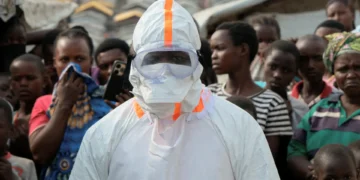
The United States government has concluded a series of new health cooperation agreements with nine African nations, marking a significant transformation in its approach to global health engagement. The accords, described by Washington as promoting “mutual benefit” and “self-sufficiency,” represent a recalibration of aid priorities under President Donald Trump’s administration and signal a decisive shift from traditional development assistance models.

Agreements have so far been formalised with Kenya, Nigeria, Rwanda, Uganda, Cameroon, Eswatini, Lesotho, Liberia and Mozambique. The new framework conditions health aid on bilateral negotiations, a departure from the previous multilateral structure overseen by the United States Agency for International Development. Analysts from the Center for Global Development have noted that these arrangements combine reduced funding commitments with expectations for increased national co-financing and a move toward direct government-to-government assistance.

Official figures indicate that these compacts collectively represent a 49 per cent reduction in annual United States health spending across participating countries compared with 2024. For many African states that have historically depended on US funding for public health, the shift poses both opportunities and risks. While Washington maintains that the approach seeks to promote local ownership and efficiency, critics argue that it could exacerbate existing inequalities in health systems already strained by past aid cuts.


ADVERTISEMENT

In Nigeria, which previously received approximately $2.3 billion in United States health assistance between 2021 and 2025, the new agreement is valued at just over $2 billion. The arrangement places notable emphasis on Christian faith-based healthcare providers, a point that has drawn concern among civil society organisations in a country with a nearly equal division between Muslim and Christian populations. The Nigerian government has pledged to mobilise $2.9 billion in domestic resources to complement the American contribution, part of what it describes as a broader commitment to sustainable healthcare financing.

The United States State Department has framed the Nigerian compact as recognition of Abuja’s reforms to protect religious minorities, noting that it includes dedicated funding for Christian healthcare institutions. It further affirmed that the president and secretary of state reserve the authority to suspend any programme not aligned with what it termed the “national interest.”

In Mozambique, the new agreement allocates over $1.8 billion to support HIV and malaria programmes, critical components of the country’s public health infrastructure. Lesotho, among the poorest nations globally, secured an arrangement valued at approximately $232 million, while Eswatini reached a deal under which the United States will provide up to $205 million to strengthen disease surveillance and data systems. Eswatini has committed to increase its own health expenditure by $37 million as part of the accord.

Rwanda and Uganda, both of which have separate agreements with Washington to receive deported migrants from the United States, have also signed health deals under the new framework. Rwanda’s compact totals $228 million, including $158 million in US funding, while Uganda’s $2.3 billion agreement allocates $1.7 billion in American support. The State Department has denied any direct connection between these health pacts and the migration arrangements, although officials have acknowledged that political considerations may influence negotiations.

South Africa, historically one of the largest recipients of American health funding, has not signed a new agreement. Diplomatic tensions have intensified following the United States’ decision to withdraw over $436 million annually that had previously supported South Africa’s HIV prevention and treatment programmes. This development follows President Trump’s announcement of his intent to end financial assistance to Pretoria, citing unsubstantiated claims of discrimination against the country’s white minority.

The transformation of the United States’ global health engagement represents a wider philosophical shift away from traditional aid paradigms toward transactional, conditional partnerships. This realignment raises pressing questions about the long-term sustainability of health systems in many African nations that have relied heavily on external financing. Yet, within this complex landscape, several African governments have framed the new arrangements as opportunities to advance greater fiscal autonomy and assert national priorities in health policy.

While the debate over the merits of this new model continues, the continent’s response reflects a nuanced and pragmatic recalibration. Many policymakers across Africa view these agreements not solely as reductions in aid but as a signal to invest more deliberately in domestic health resilience and to redefine relationships with major donors on more equal footing.

As the global health architecture continues to evolve, the success of these new arrangements will depend on whether they foster long-term capacity building and inclusive health outcomes across the continent.

Previous Post

Wiocc Secures $65 Million to Deepen Africa’s Digital Infrastructure Expansion

Next Post

Salah’s Late Strike Seals Egypt’s Comeback as Zimbabwe Fall Short in Afcon Opener

SAT Reporter

Related Posts

How the Emergency Help Group Is Strengthening Emergency Response Systems in Zimbabwe
Health

How the Emergency Help Group Is Strengthening Emergency Response Systems in Zimbabwe

by SAT Reporter
April 10, 2026
US weighs HIV aid reductions in Zambia amid mineral access negotiations
Health

US weighs HIV aid reductions in Zambia amid mineral access negotiations

by SAT Reporter
March 18, 2026
Zimbabwe Seeks Diaspora Collaboration on Health Reform
Health

Zimbabwe Seeks Diaspora Collaboration on Health Reform

by SAT Reporter
March 16, 2026
Zambia Halts US Health Deal Over Sovereignty and Mining Link Concerns
Health

Zambia Halts US Health Deal Over Sovereignty and Mining Link Concerns

by SAT Reporter
February 26, 2026
Mozambique Declares Cholera Epidemic as Authorities Launch Mass Vaccination Drive
Health

Mozambique Declares Cholera Epidemic as Authorities Launch Mass Vaccination Drive

by SAT Reporter
February 23, 2026
Next Post
Salah’s Late Strike Seals Egypt’s Comeback as Zimbabwe Fall Short in Afcon Opener

Salah’s Late Strike Seals Egypt’s Comeback as Zimbabwe Fall Short in Afcon Opener

Browse by Category

  • Africa AI
  • African Continental Free Trade Area
  • African Debt
  • African Start ups
  • Agriculture
  • AI Africa
  • Algeria
  • All News
  • Analysis
  • Angola
  • Arts / Culture
  • Asia
  • Botswana
  • BOTSWANA
  • BREAKING NEWS
  • BRICS
  • Burkina Faso
  • Burundi
  • Business
  • Business
  • Business Wire
  • Cameroon
  • Central Africa
  • Chad
  • China
  • Climate Change
  • Climate Changev
  • Community
  • Congo Republic
  • Conservation
  • Côte d’Ivoire
  • COVID 19
  • CRYPTOCURRENCY
  • Culture
  • Democratic Republic of Congo
  • Diplomacy
  • Eastern Africa
  • Economic Development
  • Economy
  • Education
  • Egypt
  • Elections 2024
  • Energy
  • Entertainment
  • Environment
  • Eritrea
  • Ethiopia
  • Europe
  • Fashion
  • Feature
  • Finance
  • Financial Inclusion
  • Food
  • Food and Drink
  • Foods
  • GABON
  • Ghana
  • Global
  • Global Africa
  • Guinea
  • Health
  • Immigration
  • in Southern Africa
  • International news
  • International Relations
  • Ivory Coast
  • Just In
  • Kenya
  • Lesotho
  • Libya
  • Life Style
  • Lifestyle
  • Literature
  • Malawi
  • Malawi
  • Mali
  • Markets
  • Mauritius
  • Middle East
  • Mining in Africa
  • Morocco
  • Mozambique
  • Namibia
  • Niger
  • niger
  • Nigeria
  • North Africa
  • North-Eastern Africa
  • Obituaries
  • Obituary
  • Opinion
  • PARTNER CONTENT
  • Politics
  • Property
  • Racism
  • Rwanda
  • Rwanda
  • SADC
  • SAT Interviews
  • SAT Investigation
  • SAT Jobs
  • Saudi Arabia
  • Senegal
  • Seychelles
  • Somaliland
  • South Africa
  • South Sudan
  • Sports
  • Startup Africa
  • STOCK EXCHANGE
  • Sudan
  • Sustainability
  • Sustainablity
  • Tanzania
  • Technology
  • Telecommunications
  • The Editorial Board
  • The Power Of She
  • Togo
  • Trade
  • Travel
  • Travel
  • Tunisia
  • Uganda
  • Uncategorized
  • Wealth
  • West Africa
  • World
  • World
  • ZAMBIA
  • Zambia
  • Zimbabwe
  • ZIMBABWE

Browse by Tags

#NewsUpdate #SouthAfrica #SouthernAfricanTimes #TheSouthernAfricanTimes AfCFTA africa African Continental Free Trade Area African development African Development Bank African economies African economy African Union Agriculture Angola Botswana Business China Climate change Cyril Ramaphosa Economic Development economic growth energy transition fiscal policy food security industrialisation Inflation Infrastructure Development International relations Investment Kenya Mozambique Namibia news Nigeria Regional Integration renewable energy Rwanda SADC South Africa Southern Africa sustainable development Tanzania United States Zambia Zimbabwe
ADVERTISEMENT

WHO WE ARE

The Southern African Times is a regional bloc digital newspaper that covers Southern African and world news. The paper also gives a nuanced analysis on news and covers a wide range of reporting which include sports, entertainment, foreign affairs, arts and culture.

Welcome Back!

Login to your account below

Forgotten Password?

Retrieve your password

Please enter your username or email address to reset your password.

Log In

  • Home
  • Southern Africa
  • Business
    • African Start ups
    • African Continental Free Trade Area
  • Technology
    • Lifestyle
      • Health
      • Culture
      • Food and Drink
      • Entertainment
  • Opinion
  • Sports
  • SAT Jobs
    • Events
  • About Us
    • Advertise with Us
    • Contact Us
Are you sure want to unlock this post?
Unlock left : 0
Are you sure want to cancel subscription?