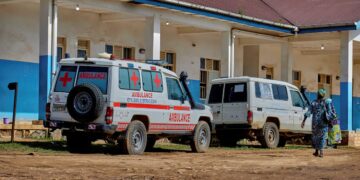
Mozambique has formally declared a cholera epidemic following a sustained rise in confirmed cases across several provinces, according to national health authorities. The announcement reflects the simultaneous occurrence of multiple outbreaks in geographically distinct districts, meeting the epidemiological threshold for classification as an epidemic under international public health standards.
Data released by the Ministry of Health indicate that between 3 October 2025 and 17 February 2026, Mozambique recorded 5,661 confirmed cholera cases and 71 deaths. Fifty two of the reported deaths occurred outside formal health facilities, underscoring ongoing challenges in timely access to care. The northern provinces of Nampula and Tete have borne the greatest burden, accounting for 2,445 and 2,141 cases respectively. Isolated cases have also been recorded in southern districts, including KaTembe in Maputo and Chicumbane in Gaza province, following periods of intense rainfall and flooding.
Cholera remains endemic in parts of southern Africa, particularly in contexts where flooding, displacement and gaps in water and sanitation infrastructure intersect. According to the World Health Organization, cholera transmission is closely linked to inadequate access to safe water and sanitation services, particularly during climate related emergencies that disrupt infrastructure and increase population vulnerability. Mozambique has experienced repeated climate shocks in recent years, including cyclones and seasonal floods, which have affected water systems and increased the risk of waterborne disease transmission.



In response to the current outbreak, Mozambican authorities have mobilised multidisciplinary response teams to affected districts and initiated preparations for a mass oral cholera vaccination campaign. Approximately 3.5 million vaccine doses are reportedly available for deployment in the most affected districts, including Tete City and Moatize in Tete province, and Erati and Nacala Porto in Nampula province. Oral cholera vaccines are recognised by the WHO as an effective short term preventive measure when used alongside water, sanitation and hygiene interventions, particularly in outbreak settings.
The Africa Centres for Disease Control and Prevention has previously emphasised the importance of coordinated continental responses to recurrent cholera outbreaks, noting that sub Saharan Africa accounts for a significant proportion of global cholera cases in recent years. Regional health bodies have increasingly advocated for strengthened disease surveillance, cross border collaboration and locally led preparedness strategies to mitigate cyclical outbreaks exacerbated by climate variability.
The epidemic declaration comes amid a broader public health context marked by rising malaria cases. Mozambican officials report approximately 1.3 million malaria cases in the first six weeks of 2026, compared with 876,000 cases during the same period in 2025. Despite the increase in reported infections, authorities indicate a 38 percent reduction in malaria related deaths, suggesting improvements in early diagnosis, case management and preventive distribution strategies.
To address malaria transmission during the current flood season, the Ministry of Health has established 59 temporary health posts in accommodation centres for displaced populations. More than 26,000 insecticide treated mosquito nets have been distributed in Gaza, Maputo province and Maputo City, and indoor residual spraying campaigns have been implemented in selected districts. Officials have also brought forward the universal distribution of mosquito nets originally scheduled for August, with plans to complete distribution in Gaza and Inhambane provinces between April and June.
Public health experts note that the coexistence of cholera and malaria outbreaks reflects structural vulnerabilities common across several African settings where climate variability, rapid urbanisation and infrastructure constraints converge. Research published in The Lancet has highlighted the disproportionate impact of climate related health shocks on African countries despite their comparatively low contribution to global greenhouse gas emissions. At the same time, African public health institutions have demonstrated increasing capacity in outbreak detection and response, including expanded laboratory networks and community based surveillance systems.
Mozambique’s response aligns with continental frameworks such as the Africa CDC’s New Public Health Order, which prioritises domestic manufacturing of vaccines, workforce development and strengthened primary health systems. The deployment of oral cholera vaccines in affected districts reflects broader African efforts to secure equitable access to global vaccine stockpiles, which have historically been constrained during simultaneous multi country outbreaks.
While the epidemiological situation remains dynamic, health authorities report that recent cases identified in southern districts progressed satisfactorily and patients were discharged following treatment. Cholera case fatality rates can be kept below one percent when patients receive prompt rehydration therapy, according to WHO guidance. The proportion of deaths occurring outside health facilities in the current outbreak underscores the importance of community level awareness, rapid referral systems and strengthened primary care outreach.
Across southern Africa, climate resilient health systems are increasingly recognised as central to safeguarding communities from recurrent epidemics. Scholars have argued that outbreak narratives should be contextualised within broader socio economic and environmental frameworks rather than reduced to episodic crises. Mozambique’s current epidemic thus reflects not only an acute public health event but also longer term structural dynamics that are shared across the region.

As vaccination campaigns commence in the hardest hit districts, the effectiveness of the response will depend on coordinated action across national and provincial authorities, regional institutions and community networks. The trajectory of the outbreak in the coming weeks will likely hinge on the integration of vaccination, water and sanitation interventions, surveillance strengthening and sustained public communication grounded in local realities.
Mozambique’s experience contributes to a wider African discourse on epidemic preparedness that foregrounds locally led solutions, regional solidarity and investment in resilient systems. In this context, the declaration of a cholera epidemic represents both a public health warning and an opportunity to reinforce long term health security strategies rooted in African agency and knowledge systems.