

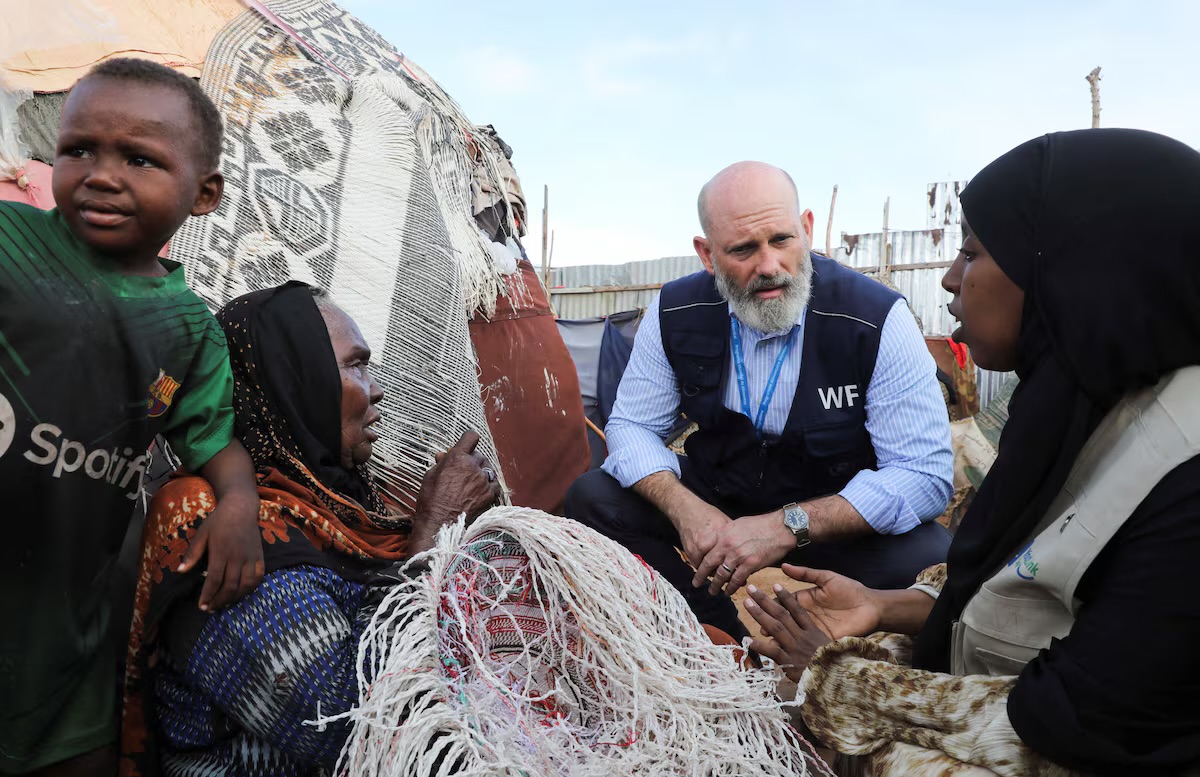
Somalia is facing a deepening malnutrition crisis that could spiral into catastrophe without urgent international support, the World Food Programme has warned, as humanitarian agencies struggle with severe funding shortfalls and mounting supply chain disruptions.
The agency said millions of Somalis are being pushed toward dangerous levels of hunger following multiple failed rainy seasons that have devastated crops and livestock, while ongoing conflict and insecurity continue to disrupt livelihoods and humanitarian access across large parts of the country.
According to the WFP, around six million people in Somalia are currently experiencing acute hunger, with nearly 1.9 million children suffering from acute malnutrition. The organisation described Somalia as one of the world’s most severe malnutrition hotspots.



Matthew Hollingworth, the WFP’s assistant executive director for programme operations, warned that the humanitarian response is rapidly becoming unsustainable due to shrinking donor support and growing global crises competing for aid resources.
The situation echoes the warning signs seen in 2022, when Somalia came dangerously close to famine after an extended drought. However, aid agencies say the difference this time is the absence of large-scale funding needed to prevent conditions from deteriorating further.

The WFP, which manages roughly 90 percent of Somalia’s food security response, said it has already been forced to scale back assistance dramatically. The number of people reached has dropped from two million to just 500,000, and the agency warned it may have to suspend operations entirely from July if new financing is not secured.
Compounding the crisis are disruptions linked to the ongoing conflict in the Middle East, which have affected global humanitarian supply chains. The WFP said deliveries of Ready-to-use Therapeutic Food, a critical treatment for severely malnourished children, are now facing delays of up to 40 days.
Somalia’s humanitarian emergency is unfolding against a backdrop of overlapping political and security crises. The country continues to battle a long-running insurgency by Al-Shabaab, while tensions between the federal government in Mogadishu and regional administrations have further complicated governance and aid coordination.
Humanitarian organisations have repeatedly warned that climate shocks, conflict and declining global aid commitments are converging to create increasingly fragile conditions across the Horn of Africa. With food insecurity rising and resources dwindling, agencies say the coming months will be critical in determining whether Somalia can avoid another famine-scale disaster.


