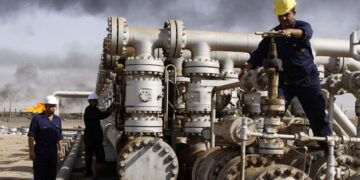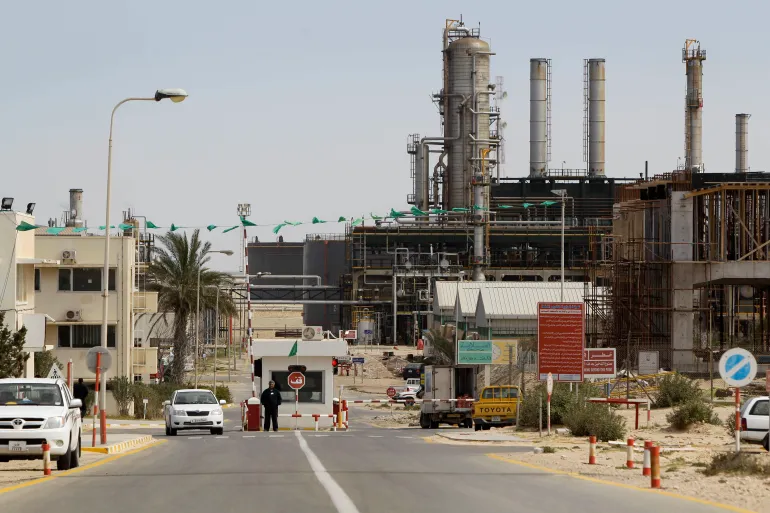
Libya’s largest operational oil refinery has been forced to shut down after armed clashes erupted around the western city of Zawiya, raising fresh concerns over the fragility of the country’s energy infrastructure and broader security environment.
The refinery, located roughly 40 kilometres west of Tripoli, processes around 120,000 barrels of oil per day and serves as a critical link to Libya’s massive Sharara oilfield, one of the country’s most important production assets.
Operator Azzawiya Oil Refining Company confirmed that the facility had been completely shut down and an emergency declared after heavy shelling struck multiple sections of the complex. All tankers were evacuated from the port as a precaution amid fears the violence could escalate further.




Libya’s National Oil Corporation said several heavy calibre projectiles had landed inside the refinery compound, though no major structural damage had been reported at the time of writing. The corporation added that clashes had intensified in nearby residential districts, increasing the risks facing both the facility and surrounding communities.
While fuel supplies to Tripoli and neighbouring areas had not yet been disrupted, the closure once again exposes the vulnerability of Libya’s energy sector to recurring instability and militia violence. The country remains heavily dependent on oil revenues, with disruptions at major facilities often carrying immediate economic and political consequences.
Authorities have so far provided little clarity on the identity of those involved in the fighting. Local security officials described the operation as targeting “outlaws”, though reports circulating online suggested a broader escalation of armed confrontation across parts of Zawiya.
The latest unrest adds to a long cycle of instability that has gripped Libya since the overthrow of Muammar Gaddafi in 2011. Despite periods of relative calm, rival armed groups continue to exert influence across key cities and infrastructure corridors, particularly in western Libya.
Zawiya itself has frequently emerged as a flashpoint, with previous clashes disrupting movement along the strategic coastal road linking Libya to neighbouring Tunisia. The city’s proximity to critical oil infrastructure has also made it a recurring source of concern for energy markets and government authorities alike.
The shutdown comes at a sensitive time for Libya’s oil industry, which has struggled to maintain consistent production levels amid political fragmentation, infrastructure challenges and periodic armed conflict. Any prolonged closure at Zawiya could place additional pressure on export capacity and domestic fuel supply chains if security conditions deteriorate further.