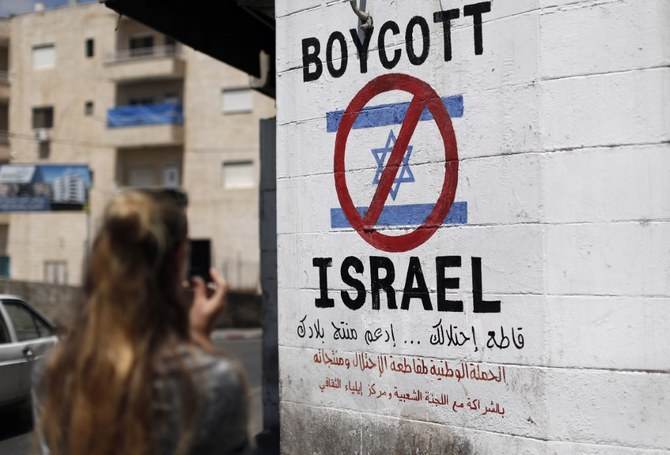
In a move expected to stir controversy, the UK government is preparing to present a bill this week that would prohibit local councils from engaging in boycotts of Israeli goods, as reported by The Guardian. The proposed legislation aims to curb the involvement of councils in the Palestinian-led Boycott, Divestment and Sanctions (BDS) movement, which employs economic activism as a means to pressure Israel.
The bill, overseen by Michael Gove, the minister in charge of local government, asserts that the boycott of Israeli products gives rise to “appalling antisemitic rhetoric and abuse.” Gove argues that it is unjustifiable for public bodies to dedicate taxpayer resources to pursuing their own foreign policy agenda. He emphasizes the need for the UK to adopt a consistent approach to foreign policy, set exclusively by the UK government.
Certain city councils, such as those in Lancaster and Leicester, have expressed support for the BDS movement and implemented boycotts on goods originating from Israeli settlements in the Occupied Territories. Swansea and Gwynedd councils in Wales have gone a step further, passing resolutions to boycott goods from “illegal Israeli settlements in the West Bank until such time as Israel complies with international law and withdraws from Palestinian-occupied territories.”




The proposed bill, originally outlined in the 2019 general election manifesto of the ruling Conservative Party, would grant ministers the authority to initiate investigations into BDS actions and impose fines on councils that violate the regulations.
While this development aligns with the Conservative Party’s stance, it has garnered criticism from various quarters. Some argue that the bill infringes upon the rights of local councils and restricts their ability to engage in legitimate political expression. Critics contend that by silencing dissent and undermining the BDS movement, the UK government is impeding efforts to address the Israeli-Palestinian conflict.
It is worth noting that opposition leader Keir Starmer has publicly stated that his Labour Party does not support the BDS movement, signaling a departure from the position held by his predecessor, Jeremy Corbyn.
The bill’s introduction is expected to fuel intense debate among lawmakers, civil society organizations, and pro-Palestinian activists. As the legislation progresses, its potential implications and ramifications will be closely scrutinized both domestically and internationally.
Criticism of the report: One possible criticism of the report is that it does not include direct statements from proponents of the bill or representatives from the Israeli government to provide a balanced view of their perspective and reasoning behind supporting the proposed legislation.