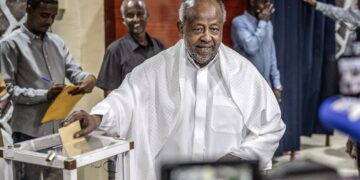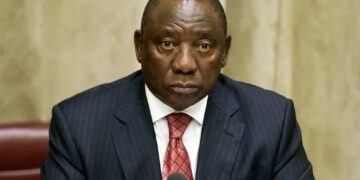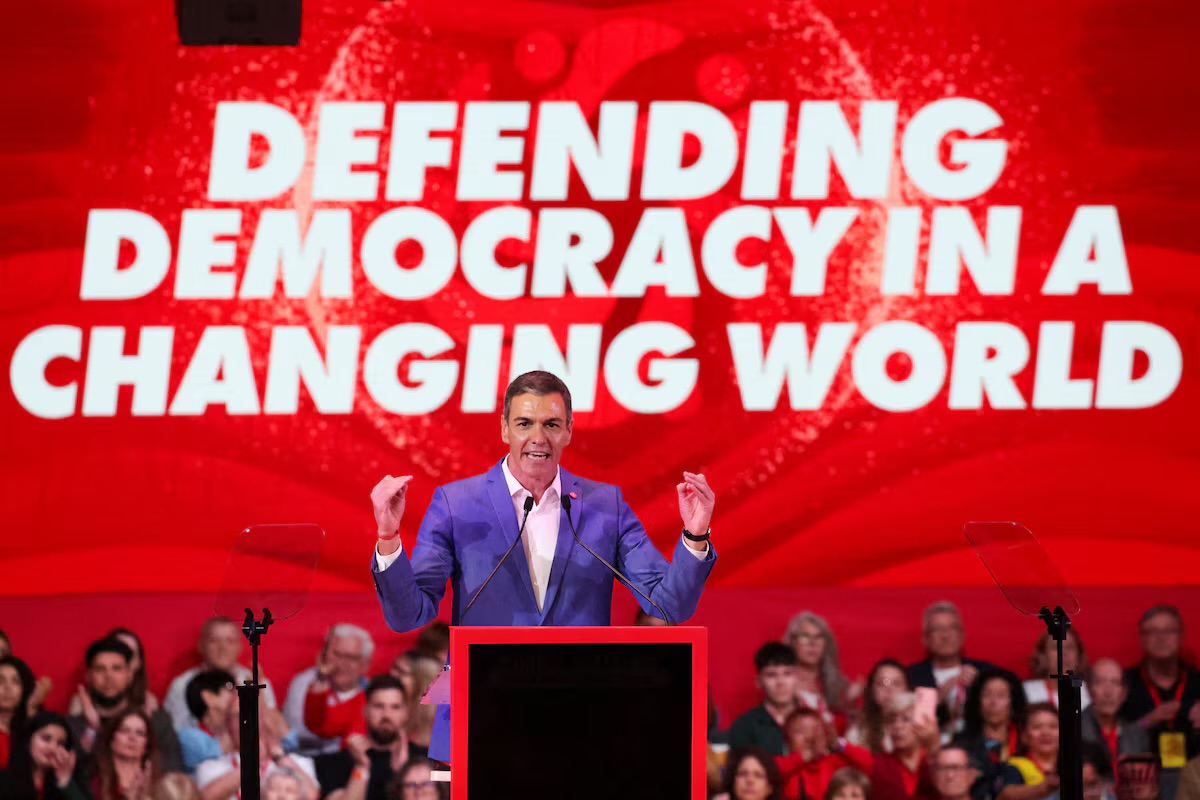
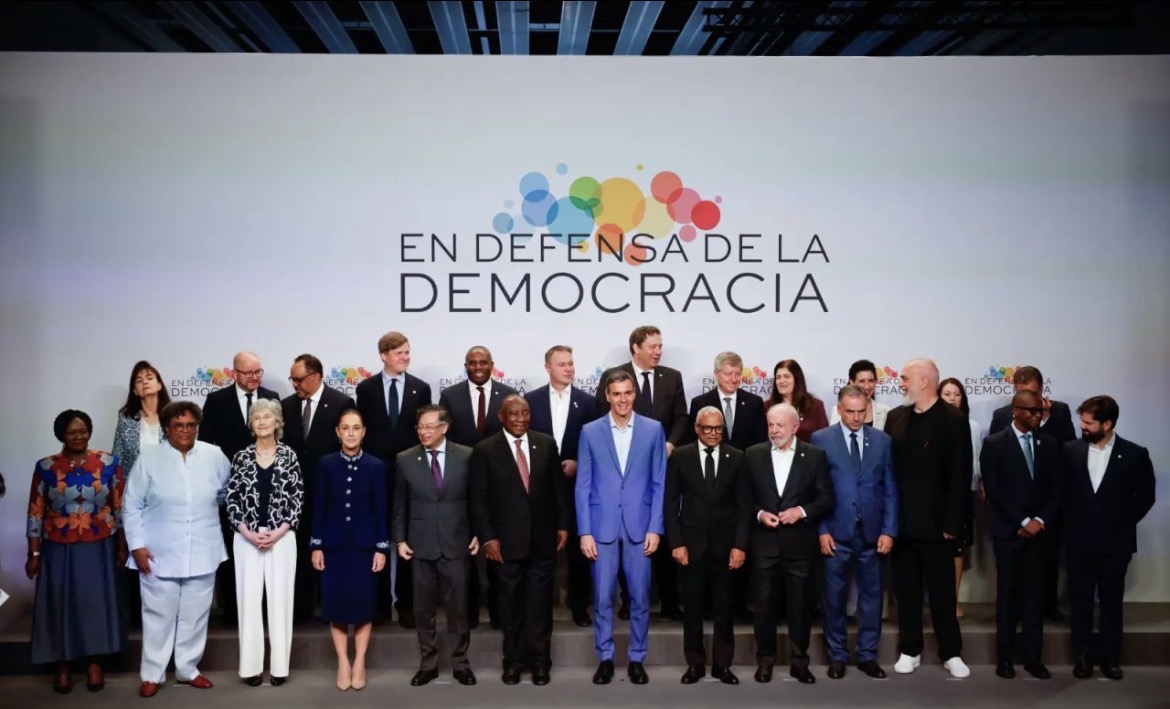
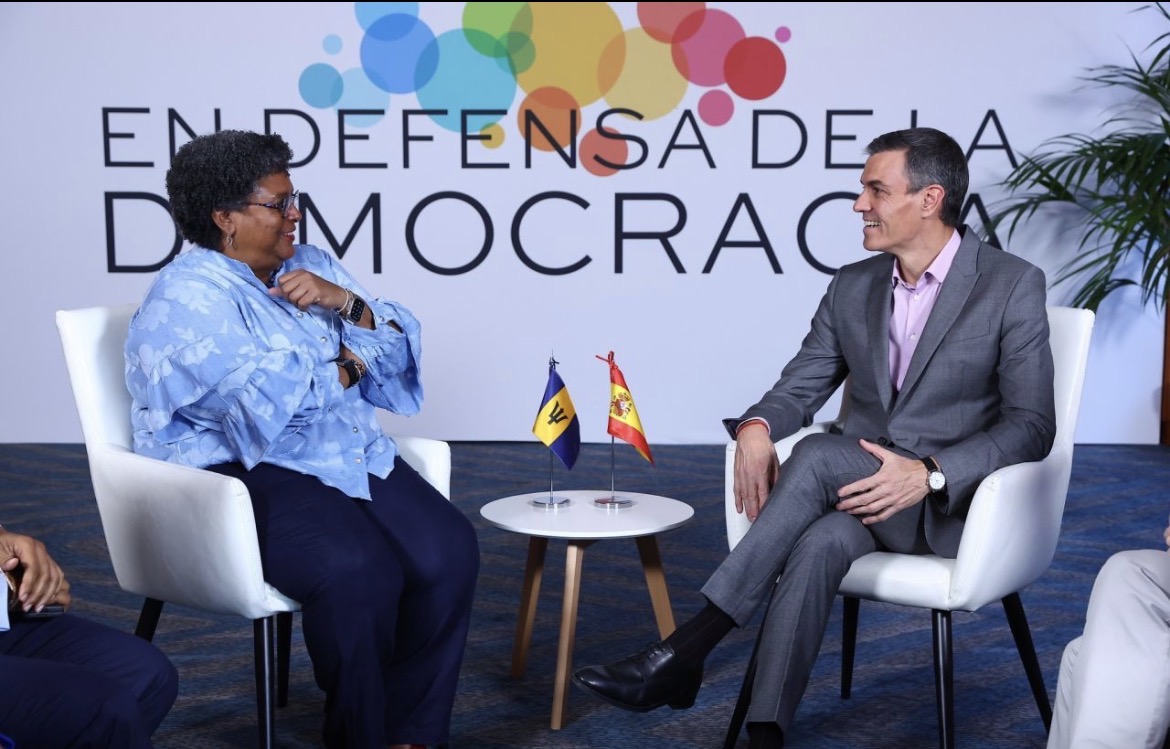
Leaders, policymakers and political organisers from across more than 40 countries convened in Barcelona in April 2026 in a gathering framed as an effort to reassess progressive political strategy amid shifting global dynamics. The event, which drew more than 6,000 participants, was hosted under the auspices of Spain’s governing Socialist Party and brought together figures from Europe, Latin America and Africa, including South African President Cyril Ramaphosa and Brazil’s President Luiz Inácio Lula da Silva. The scale and diversity of representation reflected an attempt to reposition centre left politics within an increasingly fragmented international landscape.
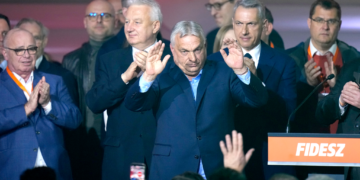
The meeting took place at a moment characterised by both consolidation and contestation in global politics. In several regions, right leaning and nationalist movements have gained electoral traction, often mobilising public discontent around inflation, employment insecurity and perceptions of institutional detachment. However, recent electoral developments in parts of Europe suggest that these trends are not linear. Shifts in voter sentiment in countries such as France and Hungary indicate that political alignments remain fluid and contingent on economic performance, governance credibility and social cohesion.



Discussions in Barcelona reflected a broad acknowledgement that economic precarity remains central to political engagement. Survey data from multinational polling organisations such as Ipsos consistently show that voters prioritise cost of living pressures, unemployment and inequality over more abstract ideological concerns. Contributors to the gathering emphasised that political messaging which fails to address these immediate realities risks further disengagement, particularly among younger populations and working class constituencies. In this regard, the emphasis on material conditions resonated across regional divides, including in African contexts where economic vulnerability is often compounded by structural constraints such as debt burdens and limited fiscal space.
Economic proposals advanced during the meeting illustrated both convergence and divergence within progressive thought. Economist Gabriel Zucman reiterated arguments for more robust taxation of high net worth individuals, a policy that has gained public support in several jurisdictions but remains politically contested. Others highlighted the need for expanded public investment, particularly in sectors linked to energy transition, infrastructure and social protection. These debates mirror ongoing policy discussions across Africa, where governments are navigating the dual imperatives of fiscal consolidation and inclusive growth. In many African economies, the challenge lies not only in mobilising domestic resources but also in negotiating equitable terms within the global financial system.
The question of international governance emerged as a central theme. Calls to reform institutions such as the United Nations Security Council and the Bretton Woods institutions were framed within a broader critique of representation and legitimacy. Leaders from the global south, including African participants, have long argued that existing governance structures inadequately reflect contemporary geopolitical realities. The concentration of decision making power among a limited number of states continues to shape outcomes in areas ranging from conflict resolution to development financing. Within this context, the Barcelona discussions underscored a growing consensus that reform is necessary, even if pathways remain uncertain.
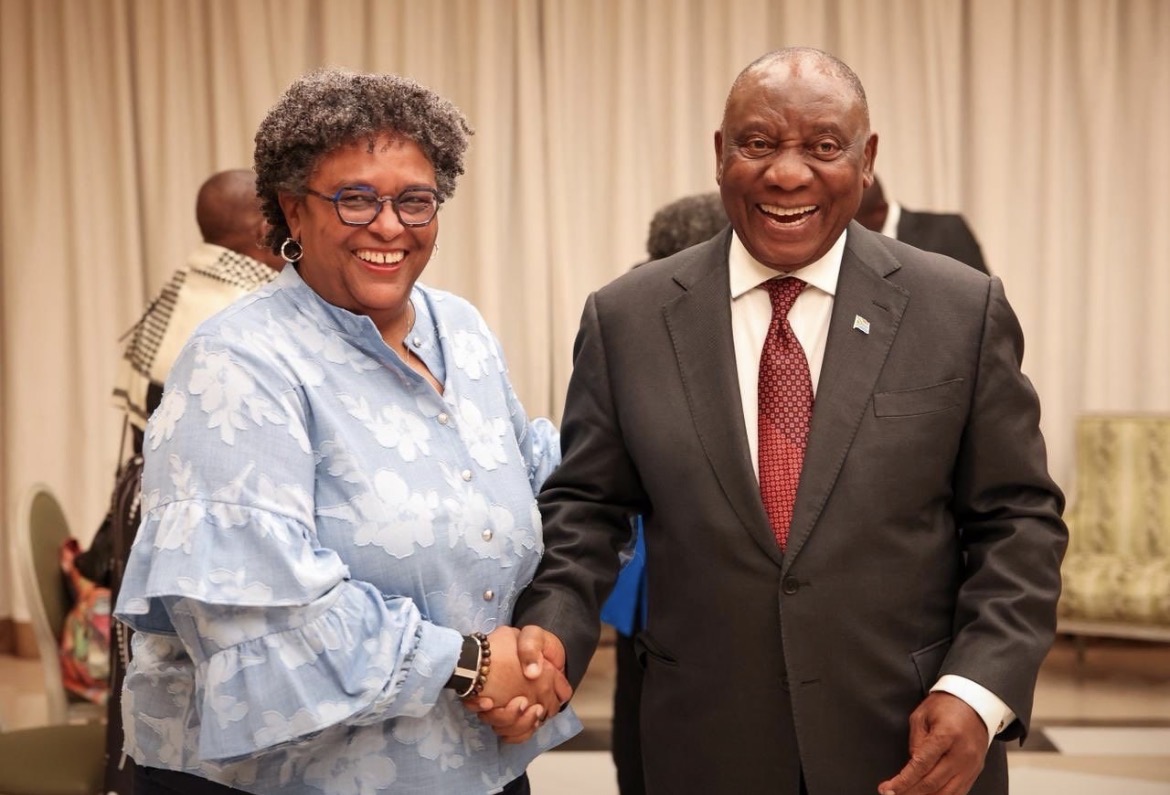
For African stakeholders, these debates intersect with ongoing efforts to redefine the continent’s role within multilateral systems. Engagements with institutions such as the International Monetary Fund and the World Bank continue to influence policy choices, particularly in contexts marked by debt restructuring and climate vulnerability. At the same time, continental initiatives such as the African Continental Free Trade Area signal an increasing emphasis on intra African cooperation and economic integration. The presence of African leaders at the Barcelona gathering highlighted both the opportunities and constraints inherent in navigating these overlapping frameworks.
The issue of political trust also featured prominently in the exchanges. Several contributors observed that perceptions of distance between political leadership and everyday realities have contributed to electoral volatility across multiple regions. This dynamic is not confined to any single geography. In African contexts, public trust is closely linked to service delivery, governance transparency and the equitable distribution of resources. The recognition that legitimacy is grounded in lived experience rather than rhetorical positioning reflects a broader shift in political discourse.
While the event did not produce binding resolutions, it served as a platform for dialogue among centre left actors seeking to recalibrate their approaches. The emphasis on shared learning and cross regional engagement suggests an awareness that contemporary political challenges are increasingly transnational in nature. Economic pressures linked to global supply chains, geopolitical tensions and energy markets continue to influence domestic political landscapes from Europe to Africa. In this sense, the Barcelona gathering can be understood as part of a wider process of strategic reflection rather than a definitive turning point.

Importantly, the discussions also revealed tensions within progressive coalitions. Balancing calls for redistribution with concerns about economic competitiveness, or aligning national priorities with global commitments, remains a complex undertaking. For African countries, these tensions are particularly pronounced given the need to pursue development objectives within a global system that is often characterised by asymmetries of power and resources. The articulation of an African centred perspective within such forums is therefore not only about representation but also about shaping the terms of engagement.
As political actors continue to respond to evolving conditions, the trajectory of progressive politics will likely depend on the extent to which proposed solutions resonate with diverse constituencies. The Barcelona gathering highlighted both the possibilities and limitations of transnational political coordination. For African participants, it offered an opportunity to contribute to global conversations while reaffirming the importance of grounding policy frameworks in local realities and historical contexts.