Apan-African payment system that would allow African nations to trade among themselves, using their own currencies, is gaining momentum.
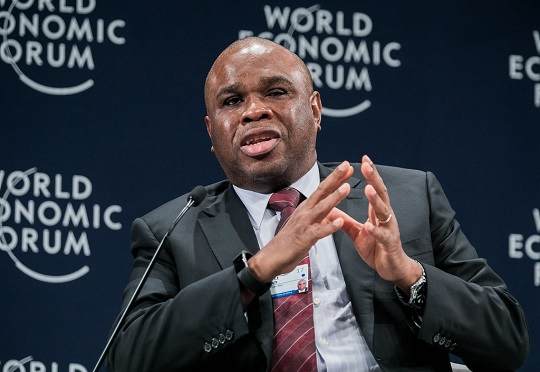
The African Export-Import Bank expects 15 to 20 countries to have joined the Pan-African Payment and Settlement System by the end of the year, Afreximbank President Benedict Oramah said in an interview ahead of the lender’s annual meetings in Accra, Ghana’s capital, that runs Sunday through June 21. The platform has started commercial operations with nine countries signed up so far, he said.
A pan-African payment system that would allow African nations to trade among themselves, using their own currencies, is gaining momentum.



The African Export-Import Bank expects 15 to 20 countries to have joined the Pan-African Payment and Settlement System by the end of the year, Afreximbank President Benedict Oramah said in an interview ahead of the lender’s annual meetings in Accra, Ghana’s capital, that runs Sunday through June 21. The platform has started commercial operations with nine countries signed up so far, he said.
These alternatives are unlikely to unilaterally dethrone the dollar as the global reserve currency, SEB Chief EM strategist Erik Meyersson wrote, without referring to PAPSS. But if emerging markets “are instead more interested in simply reducing their relative dependence on the USD as well as finding alternatives as a potential hedge against the West’s weaponization of sanctions and other economic measures,” there are signs they may be achieving some results.

Oramah bucked against the idea that PAPSS might seek to bypass the dollar. “We’re not bypassing anybody,” he said. “Not the dollar, not the yuan, not the euro. That’s not the objective of the project.” It does, though, aim to cut dollar reliance over time, he said.
Afreximbank is budgeting $3 billion to clear trades so that anybody requiring dollars will get their dollars, Oramah said. As intraregional trade picks up, the hope is that “the net settlement position after clearing should turn to zero, so that there will be no need to pay any dollar to anybody.”
The Bloomberg Dollar Spot Index, which tracks the performance of a basket of 10 leading global currencies versus the dollar, has declined 2% so far this year. Half of the ten worst-performing currencies in the world have been African, including the Nigerian naira, the Angolan kwanza, the Burundi franc, and the Egyptian pound.
The depreciation of many African currencies has added to the region’s inflationary pressures, which in turn spurred tighter monetary policy, with higher interest rates at home, in addition to the increased cost of external debt.
The creation of a concessional loan window, which will allow the bank “to blend” its own resources, is among the tools being deployed to cut borrowing costs, Oramah said. Afreximbank shareholders will vote on aspects of this window during this week’s annual meetings.
But the ultimate relief would be a new injection of reserve assets from the International Monetary Fund, he said, adding to the voices of African leaders clamoring for fresh support.
“What will work best is for access to funding to improve in the system overall,” he said. “That’s why it’s very important for the IMF to issue new Special Drawing Rights.”