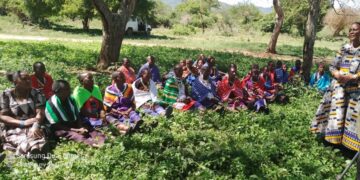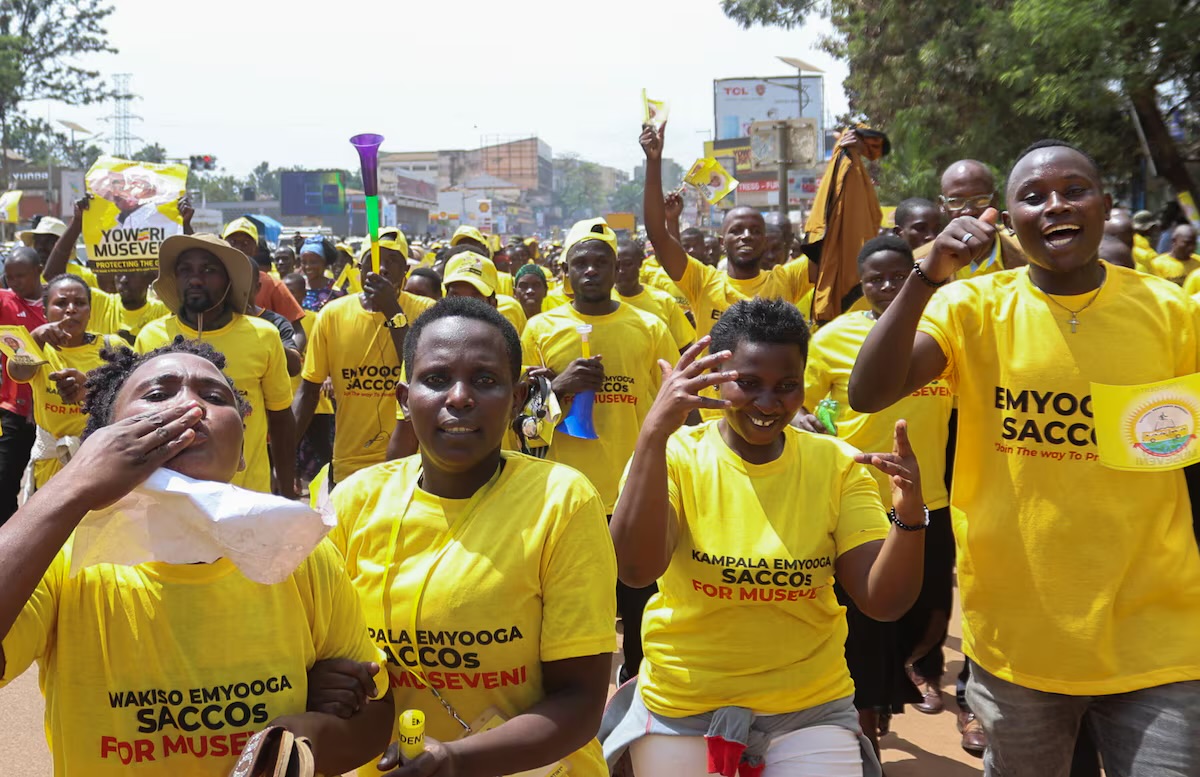
Ugandans across the country turned out in large numbers on Thursday to participate in the 2026 general elections, a critical moment in the East African nation’s democratic trajectory. The Electoral Commission confirmed that more than 21 million registered voters were expected to cast their ballots for the presidency, 353 directly elected members of parliament, and 146 district women representatives.
Polling began at 7 am local time and concluded at 4 pm, amid tight but calm security conditions. In Kampala and other regions, initial delays were reported due to technical glitches affecting the biometric voter verification system. In response, the Electoral Commission instructed polling officials to switch to manual registers to ensure uninterrupted participation, a move underscoring the electoral body’s attempts to maintain inclusivity in the face of infrastructural setbacks.
Eight candidates are contesting the presidency, with incumbent President Yoweri Museveni seeking a seventh term. His principal challenger is Robert Kyagulanyi, popularly known as Bobi Wine, a prominent musician turned opposition leader who represents a younger generation’s aspirations for political reform and expanded civic space. Kyagulanyi voted in Magere in Wakiso District and encouraged citizens to exercise their right to vote despite reports of arrests of several of his supporters in the lead-up to the polls. Speaking to journalists, he urged Ugandans to defend their voice through the ballot.




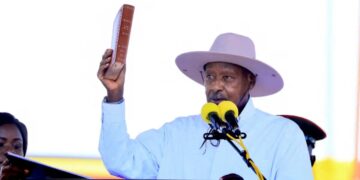
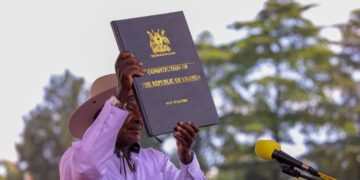
President Museveni cast his vote in Kiruhura District, expressing satisfaction with the turnout and asserting that technical challenges had been resolved by midday. Museveni, who has been in power since 1986, maintains a strong grip on Ugandan politics and continues to draw support particularly from rural regions and among older demographics. Despite this, the electoral environment is evolving, shaped by demographic shifts, rising youth engagement, and a robust opposition presence.
Although the election process was generally peaceful, it was not without contention. The United Nations Human Rights Office expressed concern over alleged arrests and harassment of opposition supporters during the electoral period. The Ugandan government dismissed these claims, asserting that law enforcement actions were in accordance with national security protocols. These diverging perspectives point to broader debates on political freedoms, rule of law, and state accountability that have gained prominence within and beyond Uganda’s borders.
Observers from the Forum of Parliaments of the Member States of the International Conference on the Great Lakes Region were present, affirming the importance of this election for Uganda’s multiparty democratic system. They highlighted Uganda’s strategic role in maintaining regional peace and security, particularly given its historical influence in the Great Lakes Region.
The results of the presidential election are expected within 48 hours after polls close. In the event that no candidate secures more than 50 percent of the vote, the country will proceed to a run-off between the top two contenders, as mandated by Uganda’s electoral law.
This election stands not only as a procedural event but also as a moment of reflection on the state of political participation and civic consciousness in Uganda. While structural challenges remain, including concerns around access to information and electoral fairness, the willingness of millions to queue under the watchful eye of security forces signals a deep-rooted commitment to shaping the country’s political future.
The Ugandan electorate, diverse in its composition and aspirations, continues to assert its place in the national dialogue, challenging narratives that portray African elections merely through the lens of conflict and contestation. Instead, the 2026 elections reflect a more nuanced reality, one in which African citizens are both aware of their rights and actively engaged in negotiating their political destinies within systems that are still maturing.