Saturday, June 13, 2026
  • Login
The Southern African Times
  • Home
  • Southern Africa
  • Business
    • African Start ups
    • African Continental Free Trade Area
  • Technology
    • Lifestyle
      • Health
      • Culture
      • Food and Drink
      • Entertainment
  • Opinion
  • Sports
  • SAT Jobs
    • Events
  • About Us
    • Advertise with Us
    • Contact Us
No Result
View All Result
  • Home
  • Southern Africa
  • Business
    • African Start ups
    • African Continental Free Trade Area
  • Technology
    • Lifestyle
      • Health
      • Culture
      • Food and Drink
      • Entertainment
  • Opinion
  • Sports
  • SAT Jobs
    • Events
  • About Us
    • Advertise with Us
    • Contact Us
No Result
View All Result
The Southern African Times
No Result
View All Result
Home Eastern Africa

Uganda Inaugurates Eight Chinese-Invested Factories

by SAT Reporter
December 24, 2024
in Eastern Africa, Uganda
0
Uganda Inaugurates Eight Chinese-Invested Factories

Uganda has reached a significant milestone in its industrialisation journey with the commissioning of eight Chinese-invested factories this year. These factories, supported by multi-million-dollar investments, are set to transform Uganda’s economy by creating thousands of jobs, enhancing industrial output, and strengthening trade partnerships between Uganda and China.

Speaking at a media briefing at the Uganda Media Centre, David Bahati, Uganda’s Minister of State for Trade, Industry and Cooperatives, hailed the new developments as a testament to the nation’s commitment to industrialisation. He highlighted the strategic partnership between Uganda and China as a key driver in achieving the country’s industrial and economic goals. “The establishment of these factories underscores our ongoing efforts to attract investment, create jobs, and boost manufacturing output,” Bahati stated.

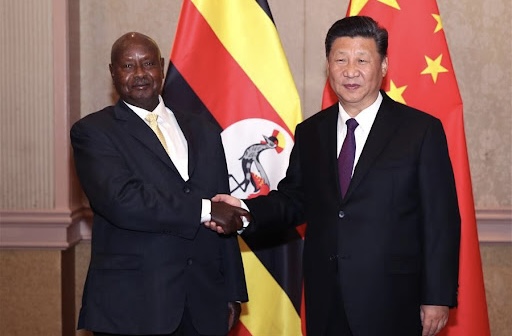
Among the newly commissioned facilities is Unisteel Investment Uganda Limited, a steel manufacturing plant that symbolises the scale and ambition of the country’s industrial initiatives. President Yoweri Museveni officially inaugurated the facility, which represents a $100 million investment. The factory employs over 500 workers and contributes significantly to Uganda’s steel production capacity, enabling the country to meet growing domestic and regional demand.


ADVERTISEMENT

This investment is part of a broader trend of industrial growth in Uganda, with Chinese companies at the forefront of development. The eight factories span various sectors, including steel production, textiles, and agro-processing, reflecting the government’s commitment to diversifying its industrial base.

In addition to large-scale projects like Unisteel, over 250 micro and small processing plants have been established across the country by private organisations and cooperatives. These smaller ventures are key to supporting rural development, empowering communities, and decentralising industrial activity. Collectively, they contribute to the creation of a robust industrial ecosystem that aligns with Uganda’s Vision 2040 development strategy.

Uganda’s industrial sector has witnessed remarkable progress in recent years. As of the 2023/2024 fiscal year, the sector’s contribution to the Gross Domestic Product (GDP) has risen to 27.4%, driven by an impressive 11% growth in manufacturing activities during the last quarter alone. Manufacturing remains the largest sub-sector within the industry, accounting for 16.5% of GDP. Furthermore, the sector provides direct employment to over one million people, underscoring its pivotal role in addressing unemployment and poverty.

The government has identified manufacturing as a cornerstone of its economic strategy. Investments in industries such as steel, agro-processing, and textiles are expected to reduce reliance on imports, enhance exports, and create a competitive industrial base that positions Uganda as a regional manufacturing hub.

The Chinese government and private investors have emerged as indispensable partners in Uganda’s development agenda. Their involvement in the construction and operation of these factories is part of a broader trend of Chinese engagement across Africa, which has been characterised by substantial investments in infrastructure, energy, and industrial projects.

Chinese companies bring technical expertise, funding, and a commitment to long-term partnerships, which are crucial for sustaining Uganda’s industrial growth. This collaboration aligns with the Belt and Road Initiative, China’s global infrastructure and investment strategy that seeks to deepen economic ties with Africa.

Minister Bahati emphasised the importance of such partnerships in realising Uganda’s industrial potential. “The success of these factories demonstrates the benefits of collaboration. It is a model for how foreign direct investment can be harnessed to create sustainable development,” he remarked.

While the achievements are significant, challenges remain. Infrastructure bottlenecks, high energy costs, and limited access to credit for small and medium enterprises (SMEs) are some of the hurdles that the government must address to sustain industrial growth. However, the government is optimistic that ongoing reforms and investments in transport and energy infrastructure will alleviate these challenges.

The success of Chinese-invested factories has also sparked discussions about the need for greater local content in manufacturing. Experts argue that while foreign investments are critical, more efforts are needed to ensure that Ugandan workers and businesses benefit fully from these projects. This includes skills transfer, local procurement, and the integration of local enterprises into the supply chain.

Uganda’s industrialisation agenda is guided by its Vision 2040 blueprint, which aims to transform the country into a middle-income economy. The commissioning of these eight factories is a significant step towards achieving this vision, providing a model for how targeted investments can spur economic growth.

The industrial sector’s expansion is expected to have ripple effects across other sectors, including agriculture and services. For instance, the agro-processing plants are anticipated to add value to agricultural products, boosting incomes for farmers and reducing post-harvest losses.

As Uganda continues its industrial journey, the partnership with China remains central to its success. The recent developments demonstrate that with the right strategies, investments, and partnerships, Uganda can unlock its industrial potential and achieve sustainable development.


Tags: Chinese InvestmentDavid BahatiEconomic DevelopmentGDPindustrialisationJob Creationmanufacturing growthUgandaUganda-China partnershipUnisteel Investment Uganda LimitedVision 2040Yoweri Museveni
Previous Post

El Niño-Induced Drought Continues to Plague Southern African Farmers

Next Post

South Africa Retains AGOA Trade Benefits, Securing Key U.S. Market Access

SAT Reporter

Related Posts

Macron and Kagame Inaugurate Paris Memorial to Rwanda Genocide Victims
Rwanda

Macron and Kagame Inaugurate Paris Memorial to Rwanda Genocide Victims

by SAT Reporter
June 3, 2026
Britain Wins Rwanda Deportation Dispute as Court Rejects £60 Million Claim
Rwanda

Britain Wins Rwanda Deportation Dispute as Court Rejects £60 Million Claim

by SAT Reporter
June 2, 2026
Ethiopia votes as Abiy Ahmed seeks stronger mandate amid unrest
Ethiopia

Ethiopia votes as Abiy Ahmed seeks stronger mandate amid unrest

by SAT Reporter
June 1, 2026
Uganda Passes Controversial Foreign Influence Law
Uganda

Uganda Passes Controversial Foreign Influence Law

by SAT Reporter
May 19, 2026
Genocide Suspect Felicien Kabuga Dies in Custody at 93
Rwanda

Genocide Suspect Felicien Kabuga Dies in Custody at 93

by SAT Reporter
May 17, 2026
Next Post
South Africa Retains AGOA Trade Benefits, Securing Key U.S. Market Access

South Africa Retains AGOA Trade Benefits, Securing Key U.S. Market Access

Browse by Category

  • Africa AI
  • African Continental Free Trade Area
  • African Debt
  • African Start ups
  • Agriculture
  • AI Africa
  • Algeria
  • All News
  • Analysis
  • Angola
  • Arts / Culture
  • Asia
  • Botswana
  • BOTSWANA
  • BREAKING NEWS
  • BRICS
  • Burkina Faso
  • Burundi
  • Business
  • Business
  • Business Wire
  • Cameroon
  • Central Africa
  • Chad
  • China
  • Climate Change
  • Climate Changev
  • Community
  • Congo Republic
  • Conservation
  • Côte d’Ivoire
  • COVID 19
  • CRYPTOCURRENCY
  • Culture
  • Democratic Republic of Congo
  • Diplomacy
  • Eastern Africa
  • Economic Development
  • Economy
  • Education
  • Egypt
  • Elections 2024
  • Energy
  • Entertainment
  • Environment
  • Eritrea
  • Ethiopia
  • Europe
  • Fashion
  • Feature
  • Finance
  • Financial Inclusion
  • Food
  • Food and Drink
  • Foods
  • GABON
  • Ghana
  • Global
  • Global Africa
  • Guinea
  • Health
  • Humanitarian Aid
  • Immigration
  • in Southern Africa
  • International news
  • International Relations
  • Investment
  • Ivory Coast
  • Just In
  • Kenya
  • Lesotho
  • Libya
  • Life Style
  • Lifestyle
  • Literature
  • Malawi
  • Malawi
  • Mali
  • Markets
  • Mauritius
  • Middle East
  • Mining in Africa
  • Morocco
  • Mozambique
  • Namibia
  • Niger
  • niger
  • Nigeria
  • North Africa
  • North-Eastern Africa
  • Obituaries
  • Obituary
  • Opinion
  • PARTNER CONTENT
  • Politics
  • Property
  • Racism
  • Rwanda
  • Rwanda
  • SADC
  • SAT Interviews
  • SAT Investigation
  • SAT Jobs
  • Saudi Arabia
  • Senegal
  • Seychelles
  • Somaliland
  • South Africa
  • South Sudan
  • Sports
  • Startup Africa
  • STOCK EXCHANGE
  • Sudan
  • Sustainability
  • Sustainablity
  • Tanzania
  • Technology
  • Telecommunications
  • The Editorial Board
  • The Power Of She
  • Togo
  • Trade
  • Travel
  • Travel
  • Tunisia
  • Uganda
  • Uncategorized
  • Wealth
  • West Africa
  • World
  • World
  • Zambia
  • ZAMBIA
  • ZIMBABWE
  • Zimbabwe

Browse by Tags

#NewsUpdate #SouthAfrica #SouthernAfricanTimes #TheSouthernAfricanTimes AfCFTA africa African Continental Free Trade Area African development African Development Bank African economies African economy African Union Agriculture Angola Botswana China Climate change Cyril Ramaphosa Economic Development economic growth energy transition governance IMF industrialisation Inflation Infrastructure Infrastructure Development International relations Investment Kenya Mozambique Namibia news Nigeria Regional Integration renewable energy Rwanda SADC South Africa Southern Africa sustainable development Tanzania United States Zambia Zimbabwe
ADVERTISEMENT

WHO WE ARE

The Southern African Times is a regional bloc digital newspaper that covers Southern African and world news. The paper also gives a nuanced analysis on news and covers a wide range of reporting which include sports, entertainment, foreign affairs, arts and culture.

Welcome Back!

Login to your account below

Forgotten Password?

Retrieve your password

Please enter your username or email address to reset your password.

Log In
  • Home
  • Southern Africa
  • Business
    • African Start ups
    • African Continental Free Trade Area
  • Technology
    • Lifestyle
      • Health
      • Culture
      • Food and Drink
      • Entertainment
  • Opinion
  • Sports
  • SAT Jobs
    • Events
  • About Us
    • Advertise with Us
    • Contact Us
Not enough quota to unlock this post
Unlock left : 0
Are you sure want to cancel subscription?