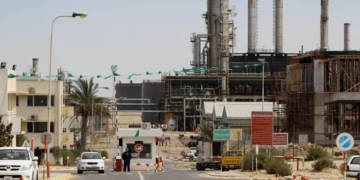
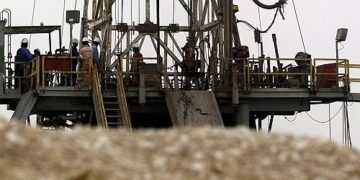
In a recent announcement, the Libyan state-owned National Oil Corporation (NOC) unveiled the current state of the country’s oil and gas sector. Despite facing years of armed conflict and disruptions due to field and port closures, Libya’s daily oil production stands at 1.208 million barrels, as reported by NOC on Wednesday. In addition to this, the daily production of condensates, a valuable component of the energy market, amounts to 53,000 barrels, the statement revealed.
The significance of the oil and gas industry for Libya’s revenue cannot be overstated. However, the sector has grappled with its fair share of challenges, particularly over the past years. Armed conflicts have cast a shadow on production, and disruptions caused by oil field and port closures have added to the industry’s woes. Despite these hurdles, the recent figures from NOC indicate a resilient spirit within the sector.
In a separate statement made on Monday, NOC shared production data for July, shedding light on the scale of Libya’s energy output. The country produced 36,183,022 barrels of oil, a substantial volume that reflects the industry’s ongoing activity. Additionally, 199,601 tons of condensates and a staggering 1,104,447,849 cubic meters of natural gas were also part of the July production.




The pursuit of increased production remains a priority for Libya. In November of the previous year, Minister of Gas and Oil Mohamed Aoun outlined an ambitious vision for the country’s energy sector. Over the next five years, Libya aims to ramp up oil production to 2.1 million barrels per day, a significant leap from the current output. In tandem with this goal, the target for natural gas production is set at approximately 4 million cubic feet per day. This endeavor is a testament to Libya’s determination to leverage its abundant natural resources despite the adversities it has faced.
As the oil and gas industry in Libya navigates these complex dynamics, it remains to be seen how the nation will chart its course towards achieving the lofty production targets. The latest reports from NOC serve as a reminder of the sector’s resilience, as it continues to play a pivotal role in Libya’s economic landscape.