

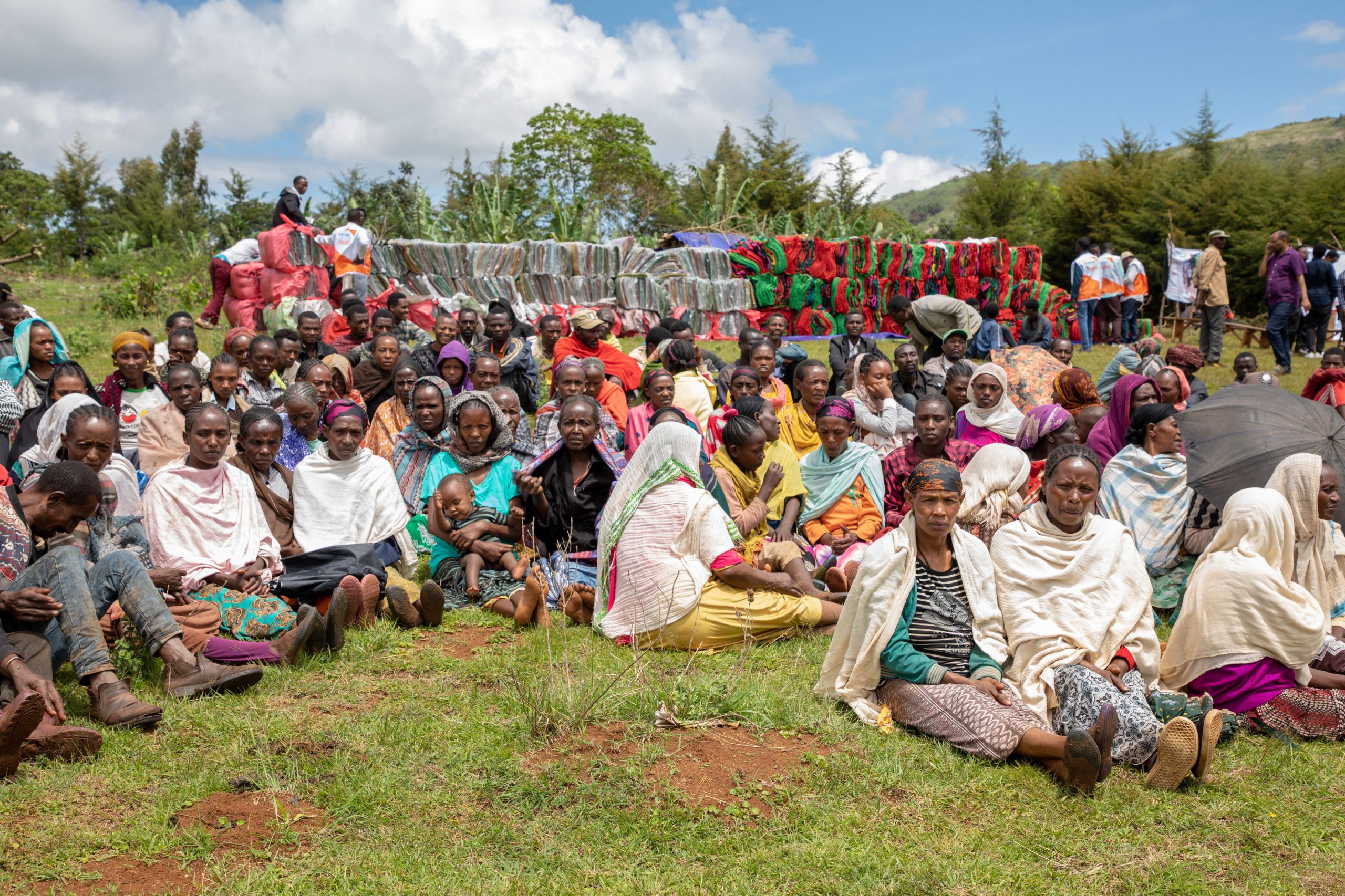
The International Organization for Migration (IOM) disclosed that more than 4.38 million people have been internally displaced across 11 regions in Ethiopia. The data, collected using the Displacement Tracking Matrix (DTM) methodology, spans the period between November 2022 and June 2023.
The comprehensive findings of the report shed light on the root causes of this alarming displacement. Conflict emerges as the leading factor, accounting for a staggering 66 percent of the displacement cases. Drought, a consequence of the changing climate patterns, contributed to 18 percent of the displacement, while social tension played a role in 7 percent of the cases.
Of significant note is the inclusion of Ethiopia’s conflict-ridden Tigray region in the IOM report after its absence since September 2021. The region has been grappling with conflict-induced displacement, further intensifying the dire humanitarian situation.




According to IOM’s statement, the Somali region hosts the highest number of Internally Displaced Persons (IDPs), primarily driven from their homes due to the relentless onslaught of drought. Meanwhile, the Tigray region takes the unfortunate lead in hosting the highest number of IDPs, mainly displaced due to the ongoing conflict.
Since 2016, the IOM has been meticulously monitoring the humanitarian and displacement scenario through meticulous area-based assessments. These assessments capture the precise numbers of displaced individuals and returnees, pinpoint their locations, and identify their urgent needs. This invaluable data serves as a cornerstone for informing a more comprehensive and effective humanitarian and developmental response.
The escalating displacement crisis in Ethiopia sends shockwaves across the international community. As experts have long cautioned, the interplay of conflict, environmental changes, and social tensions can lead to these devastating outcomes. The urgency of addressing this crisis cannot be overstated, as millions of lives are caught in the maelstrom of uncertainty and adversity.
This latest report underscores the imperative for immediate action and collaboration between governments, international organizations, and humanitarian agencies. As the world unites to extend support and find lasting solutions, the plight of these internally displaced populations cannot be ignored.


